If you are searching for books like The Gaslight Effect, you probably do not need a definition of gaslighting. You already know what it feels like. You are searching because you have been through it—or you are in it right now. You need to name what is happening, understand why it works, and learn how to stop it.
The books below go deeper than identification. They help you understand the psychology of the manipulator, the vulnerability of the target, and the steps to rebuild trust in yourself.
5 Books That Help You Spot and Stop Emotional Manipulation
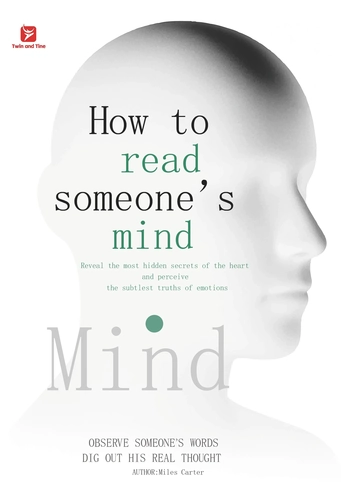
1. How to Read Someone’s Mind by Miles Carter
What signals are you missing when someone is manipulating you?
Manipulation does not announce itself. It shows up in small, almost invisible ways. A slight shift in tone. A hesitation before answering a direct question. A body that leans away while the mouth says “I agree.” A pattern of inconsistency that you explained away because you wanted to believe the best.
Carter’s book trains you to notice these signals. It breaks reading people into four dimensions: the face, the body, the voice, and the context. You learn to combine what you see with where you see it. A single off moment means nothing. A consistent pattern of avoidance, dismissal, or gaslighting tells you something real.
Once you learn to see these signals, you stop ignoring what your instincts already know. You stop wondering “what is off?” and start seeing exactly what it is. And once you see it, you cannot unsee it.
For anyone who has ever felt something was off and wished they could name it.
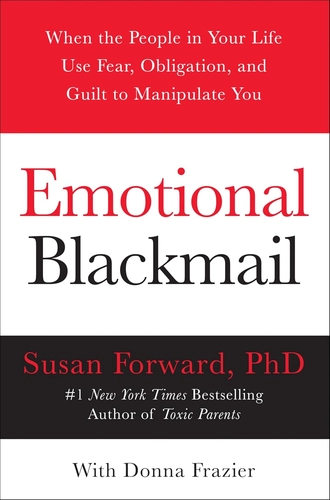
2. Emotional Blackmail by Susan Forward
The classic guide to recognizing when fear, obligation, and guilt are being used against you.
Forward, a therapist who wrote the book on this subject, identifies a clear pattern: demand, resistance, pressure, threats, compliance, and repeat. The blackmailer uses fear, obligation, and guilt—what she calls the FOG—to get what they want.
The book breaks down the different types of blackmailers: those who punish by withdrawing, those who threaten self-harm, those who use guilt trips, and those who frame their demands as caring. It gives you specific names for the tactics, so you stop feeling confused and start recognizing the playbook.
What makes this book essential is the naming. When you can say “this is a guilt trip,” you stop being controlled by it.
For anyone who has ever felt manipulated and could not explain why.
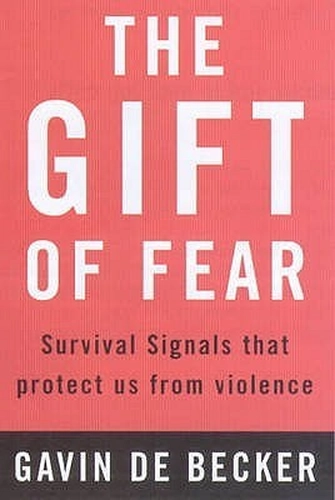
3. The Gift of Fear by Gavin de Becker
Why do you feel uneasy around certain people before you know why?
De Becker’s book is built on one argument: fear is a gift. Your intuition is not random. It is your brain processing information faster than your conscious mind can keep up. It registers incongruence—the mismatch between what someone projects and what they are—before you can articulate it.
This book gives you permission to trust that feeling. To stop overriding your instincts with politeness or wishful thinking. It is not about paranoia. It is about listening to yourself when something feels off.
For anyone who has ever ignored their gut and later wished they had not.
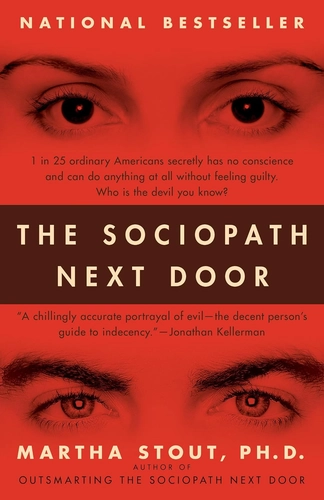
4. The Sociopath Next Door by Martha Stout
What happens when someone feels no guilt—and how do you spot them?
About 4% of people lack the capacity for genuine emotional connection, guilt, or empathy. They are not all criminals. Many are in offices, relationships, and social circles. They are charming. They are successful. They are also incapable of genuine emotional connection.
Stout gives you the tools to recognize these individuals and understand the damage they cause. This is not about paranoia. It is about recognizing when someone is performing connection they do not actually feel.
For anyone who has ever wondered why someone seemed perfect—but felt wrong.
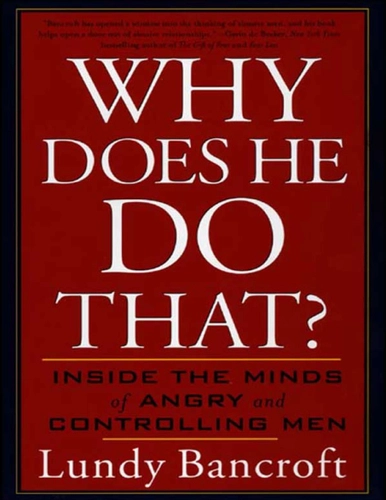
5. Why Does He Do That? by Lundy Bancroft
What is the mindset of someone who controls and manipulates?
Bancroft, a therapist who worked for decades with manipulative partners, answers the question that victims ask themselves over and over: why do they act this way?
His conclusion is uncomfortable. People who manipulate do not do it because they are angry, because they had a bad childhood, or because they cannot control themselves. They do it because they believe they are entitled to control. They believe their needs come first. They believe the relationship exists to serve them.
The book breaks down the thinking patterns of controlling people: how they justify their behavior, why they do not change even when they promise to, and why apologies without changed behavior are not real apologies.
For anyone who has ever wondered why giving more never seems to be enough.
These five books each approach emotional manipulation from a different angle. Carter teaches you to read the signals of manipulation in real time. Forward names the tactics. De Becker teaches you to trust your instincts. Stout helps you recognize the absence of empathy. Bancroft explains the mindset of someone who manipulates.
If you have ever felt like you were losing your grip on reality, these books will help you find solid ground again.
| Best for | |
|---|---|
| How to Read Someone’s Mind | Reading the signals of manipulation in real time |
| Emotional Blackmail | Recognizing specific manipulation tactics |
| The Gift of Fear | Trusting your instincts when something feels off |
| The Sociopath Next Door | Recognizing the absence of empathy or guilt |
| Why Does He Do That? | Understanding the mindset behind control |
Frequently Asked Questions
What is the difference between gaslighting and emotional manipulation?
Gaslighting is a specific form of emotional manipulation where the manipulator makes you question your own perception, memory, or sanity. Emotional manipulation is broader—it includes guilt trips, emotional blackmail, and other tactics that control your behavior.
Why is it so hard to recognize when you are being manipulated?
Because manipulation works by making you doubt yourself. It exploits your empathy, your self-doubt, and your desire to see the best in people. The more you trust the other person, the more effective the manipulation.
How do I know if I am being manipulated or if I am just being too sensitive?
If you keep asking yourself this question, that is often a sign that something is wrong. Manipulation makes you feel like the problem. It makes you question your own judgment. Trust the pattern, not the doubt.