Here is the biggest misunderstanding.
Poor people think money is about effort. Wealthy people know money is about leverage.
The poor believe that if they just work harder, longer, or smarter, they will eventually get ahead. They trade their time for money, hour by hour, paycheck by paycheck. They assume that a bigger salary is the answer to their problems.
But the wealthy do not trade time for money. They trade value for money. They use systems. They use assets. They use other people’s time. They use money itself as a tool to generate more money.
This is not about intelligence. It is about a fundamental misunderstanding of how wealth actually works.
3 Books That Explain the Real Rules of Money
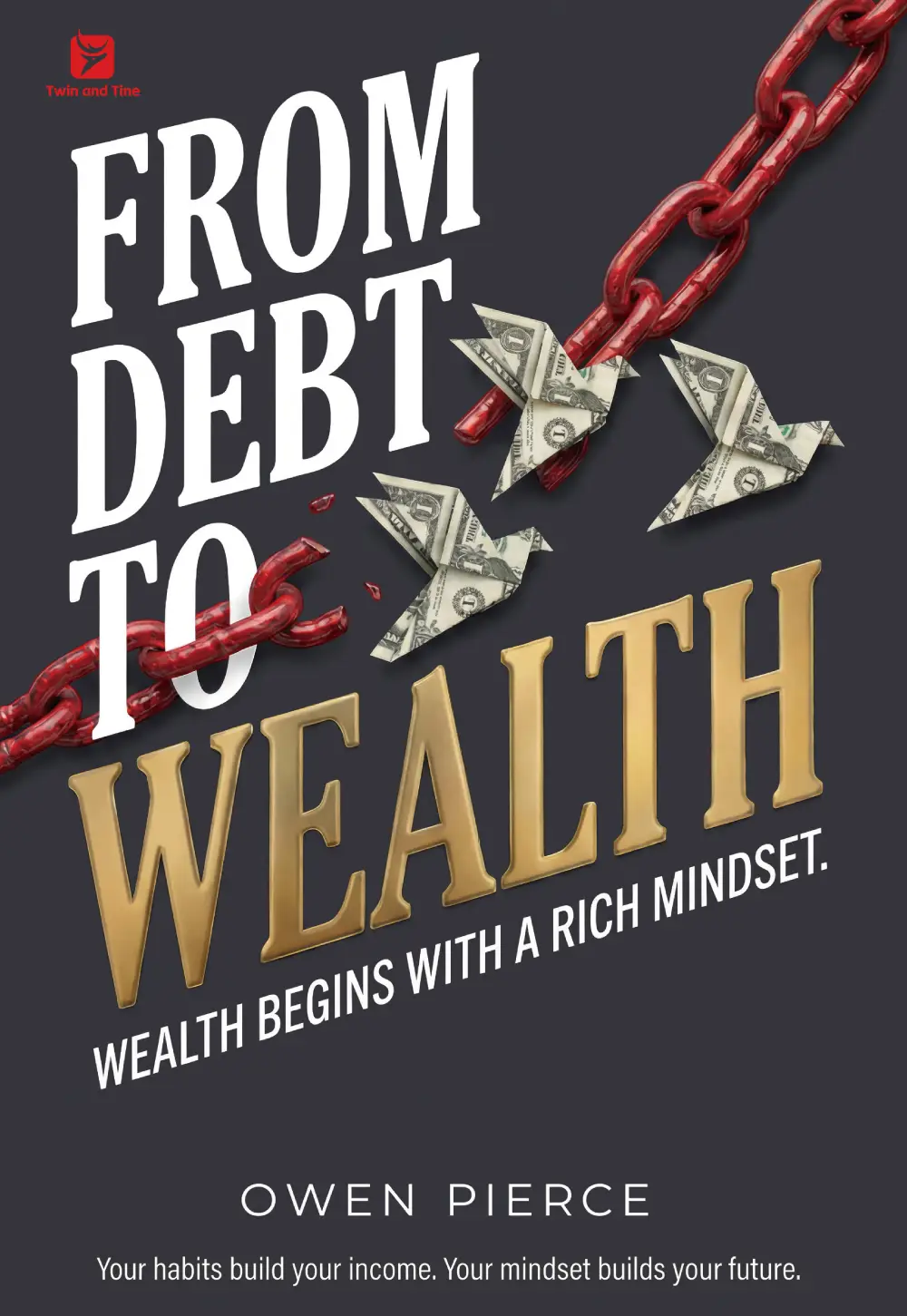
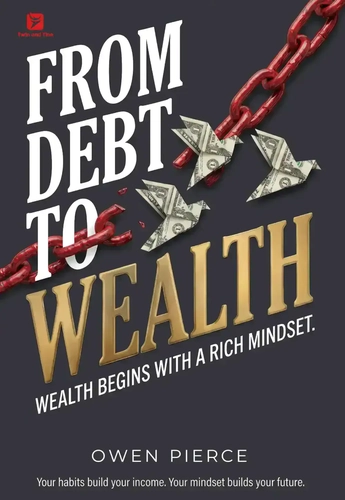
1. From Debt to Wealth by Owen Pierce
Money is not compensation for effort. It is compensation for cognition.
Most people believe wealth is a reward for hard work. Work more hours. Get a bigger paycheck. Buy things that signal success. End up deeper in debt.
Pierce argues the opposite: wealth is not a reward for how hard you work. It is a reward for how well you think. It grows when you stop trading your time and start building systems. It comes from making money work for you—not the other way around.
The book explains why a salary feels like security but is actually a ceiling. Why luxury is a trap, not a sign of success. Why the poor pursue comfort and the wealthy pursue discomfort. And why the fastest path to financial freedom is not a bigger income—it is a different way of seeing money altogether.
If you are stuck in the “work harder” mindset, this book rewires the starting point.
For anyone who has ever asked: “If I work so hard, why am I still broke?”
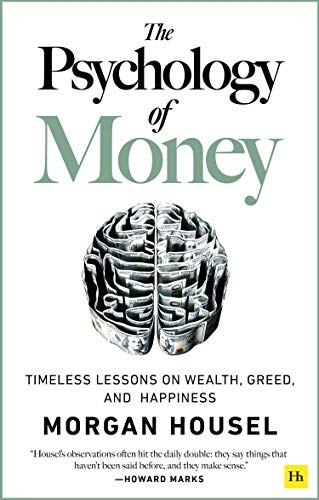
2. The Psychology of Money by Morgan Housel
Money is not about math. It is about behavior.
Poor people often believe that the wealthy are just better with numbers. They assume that financial success requires complex calculations, expert knowledge, or a level of intelligence they do not have.
Housel’s book proves that assumption wrong. Managing money is not about intelligence. You can be a genius and still make terrible financial decisions. You can have no formal training and build lasting wealth. The difference is behavior.
The book covers the biases that keep people stuck: why we compare ourselves to others, why we take unnecessary risks, why we cannot save, why we think short-term when money rewards long-term thinking.
The most powerful insight: wealth is built on small, consistent choices made over decades. Not on big moves. Not on being the smartest person in the room. On behavior.
For anyone who thinks they need a finance degree to get ahead.
3. The Algebra of Wealth by Scott Galloway
What if the math behind wealth is simpler than you think?
Galloway is a professor and entrepreneur who writes about the economy with unusual clarity. His book is about the math behind wealth—not complex formulas, but simple principles: earn more than you spend, invest the difference, and do it consistently.
Poor people often misunderstand wealth because they think it is about luck or inherited privilege. Galloway argues that while those help, the real driver is structure. The people who build wealth are not the ones who take the biggest risks. They are the ones who understand the math: income – spending = investable surplus. That surplus, compounded over time, is what creates freedom.
He explains why most people struggle: they spend too much, save too little, and invest poorly. The solution is not complicated—it is just uncomfortable. It requires clarity, discipline, and a willingness to delay gratification.
For anyone who wants a clear, no-nonsense framework for understanding how wealth actually works.
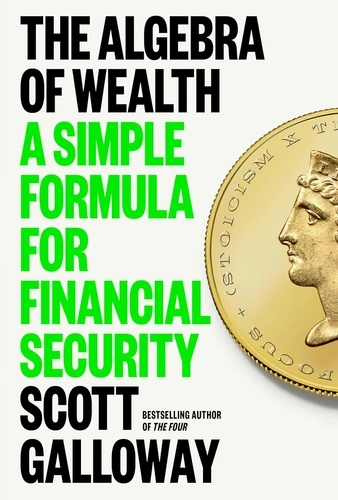
These three books each tackle a different misunderstanding. Pierce shows you that wealth is about cognition, not effort. Housel shows you it is about behavior, not intelligence. Galloway shows you it is about math and structure, not luck.
| Best for | |
|---|---|
| From Debt to Wealth | Understanding that wealth is about cognition, not effort |
| The Psychology of Money | Understanding that wealth is about behavior, not intelligence |
| The Algebra of Wealth | Understanding the math and structure behind wealth |
Frequently Asked Questions
What is the single biggest mistake poor people make with money?
They spend their income instead of paying themselves first. The wealthy automate their savings. Everyone else just spends what is left.
If I can only read one, which should it be?
If you feel like you are working hard and not getting ahead, start with From Debt to Wealth. It gives you the framework you need before any other book makes sense.
Is it really possible to change how I think about money?
Yes. It is not about getting smarter. It is about changing the assumptions you have been running on. These books help you see those assumptions clearly—so you can finally replace them.