I finished Verity at 3 AM with my heart pounding so hard I could feel it in my throat. I sat there in the dark, staring at the ceiling, replaying the final pages like a movie I couldn’t pause. Colleen Hoover had done something to me, something I didn’t expect from the queen of romance novels. She made me complicit in a horror story.
Let me back up. Lowen Ashleigh is a struggling writer who accepts a job from Jeremy Crawford to finish his wife’s book series. Verity Crawford, the bestselling author, lies incapacitated upstairs after a car accident. Lowen moves into their home to sort through Verity’s notes and stumbles upon an unfinished autobiography. What she finds are bone-chilling confessions about Verity’s darkest acts, including the night her twin daughters died.
Here’s where the book got its hooks into me. Lowen hides the manuscript from Jeremy. She reads it in secret, page after horrific page. And I was right there with her, turning those pages with the same guilty hunger. I became Lowen. That’s the genius of Hoover’s craft. She doesn’t let you observe the horror from a safe distance. She forces you to participate in it.
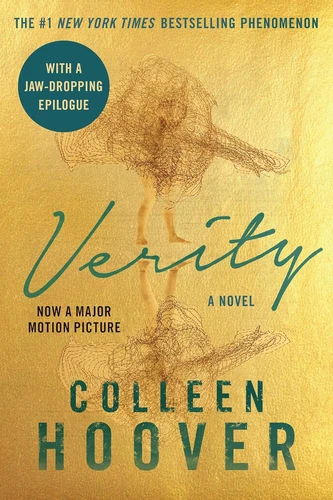
The Manuscript That Became a Trap
The core question that kept me up at night was this: who gets to tell the truth about a life? Verity’s manuscript claims one version of events. Everything Jeremy and Lowen experience suggests another. And Hoover never gives you a clean answer.
What makes Verity so unsettling is how Hoover weaponizes the act of reading itself. The manuscript within the novel becomes a toxic object. Lowen knows she should stop reading. She knows the words are destroying her perception of everyone in that house. But she can’t stop. Neither could I. There’s a scene where the pages describe something so monstrous that I had to physically put the book down and walk away for a minute. When I came back, I picked it right back up. That’s the trap.
The prose is propulsive, almost breathless. Hoover writes in short punches that keep you off balance. She also understands that true dread comes from domestic spaces. The Crawford house feels alive with grief. Every creak of the floorboards, every locked door, every silent moment with Jeremy carries weight. She turns the familiar into the terrifying.
What I Couldn’t Shake
I’ll be honest about the problems too. The romantic subplot between Lowen and Jeremy felt rushed and a little convenient. There were moments when I wanted Hoover to slow down and let the psychological tension breathe instead of rushing toward the next revelation. And some readers will find the content deeply disturbing. This is not a book for anyone triggered by child harm or graphic depictions of violence. Read the trigger warnings before you start.
What I couldn’t shake was the ending. I won’t spoil it, but I will say this: Hoover leaves you with two competing truths and forces you to choose. And whichever choice you make, you’ll feel uneasy about it. That’s the mark of a great thriller. It doesn’t just scare you. It makes you distrust your own reasoning.
If you loved Gone Girl or The Silent Patient and you’re open to a more commercial, steamier take on the genre, Verity will swallow you whole. If you’re looking for literary subtlety or airtight logic, you’ll be frustrated. But if you want a book that makes you forget to eat dinner, that keeps you reading until your eyes burn, this is it.
The deepest truth I took from Verity is about how easily we believe what we want to believe. Lowen wanted to believe the manuscript because it served her desires. I wanted to believe it too, for the same selfish reason. We were both wrong to trust a narrator who had everything to gain from the story she was telling.
“Some families are lucky enough to never experience a single tragedy. But then there are those families that seem to have tragedies waiting on the back burner. What can go wrong, goes wrong. And then gets worse.” That line stayed with me long after I closed the book.

