An anxious mind rarely stays focused on just one concern. A difficult conversation can lead to questions about what someone really meant, a small mistake can become a long chain of self-criticism, and an uncertain situation can create dozens of possible outcomes. When thoughts keep moving from one worry to another, finding a sense of calm can feel surprisingly difficult. While reading cannot eliminate anxiety on its own, the right books can help you understand why anxious thinking happens and discover healthier ways to respond when your mind becomes overwhelmed.
If you are looking for books for an anxious mind, these three titles offer different perspectives on emotional regulation, stress, and repetitive thinking. Rather than promising to remove every uncomfortable thought, they encourage readers to develop a better relationship with their thoughts and emotions.
Break the Anxiety Circle by Miles Carter
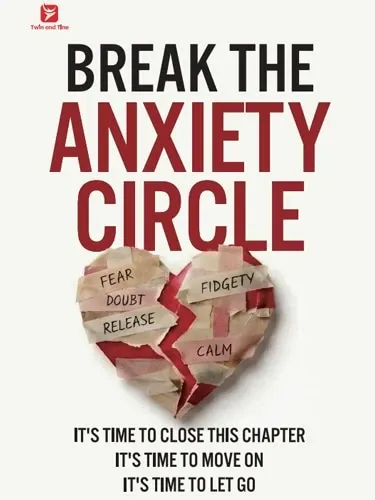
Best for recognizing the patterns behind anxious thinking
Anxiety can become particularly exhausting when it follows a predictable cycle.
Something triggers a thought.
The thought creates worry.
The worry creates more questions.
The additional questions create even more uncertainty.
Eventually, the mind becomes stuck trying to solve a problem that may not have a clear answer.
Break the Anxiety Circle by Miles Carter focuses on understanding these repetitive patterns and developing a more intentional response to them.
The book explores:
- How anxious thought cycles develop
- Why overthinking can become repetitive
- How emotional reactions influence thinking
- Ways to become more aware of recurring worries
- How to move toward greater emotional balance
Instead of treating every anxious thought as something that needs immediate attention, the book encourages readers to step back and examine the pattern itself.
That change in perspective can be especially useful for people who spend a lot of time replaying conversations, anticipating negative outcomes, or questioning decisions they have already made.
Break the Anxiety Circle
Miles CarterA mental reset for people trapped in the overthinking loop. Understand why your mind won’t stop racing — and how to break free from anxiety, people-pleasing, and emotional exhaustion.
The Comfort Book by Matt Haig
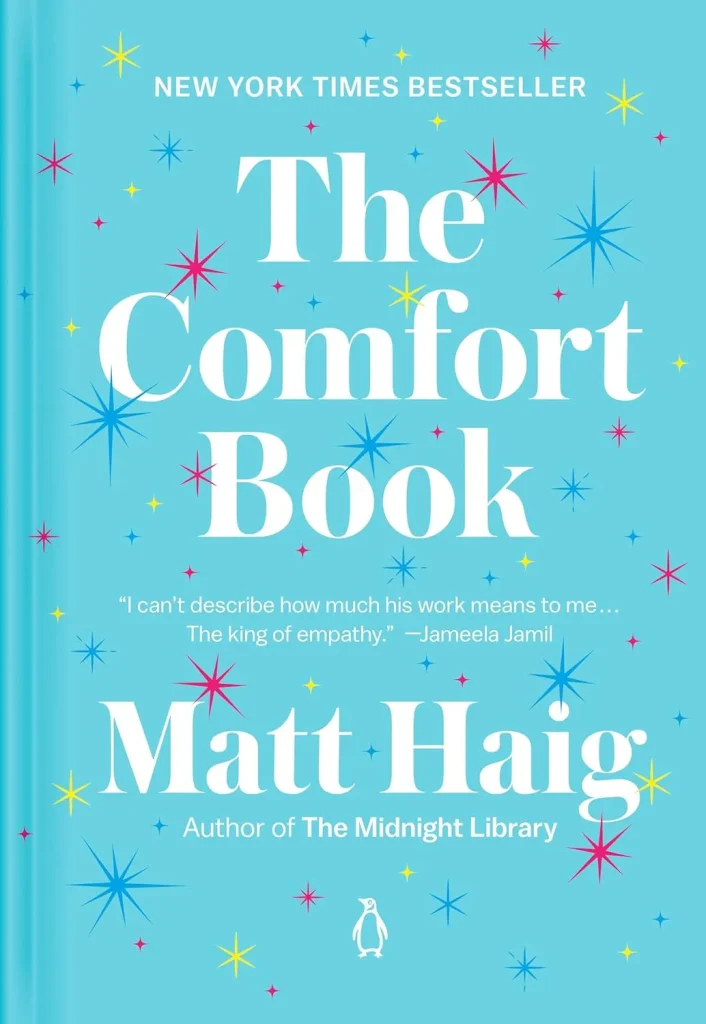
Best for finding perspective during emotionally difficult periods
Sometimes an anxious mind does not need another complicated explanation.
It needs a reminder that difficult emotions are temporary and that life does not have to be perfectly controlled.
The Comfort Book brings together reflections on hope, perspective, resilience, and everyday life.
Its short-form structure makes it easy to read a few pages at a time, especially when you do not have the concentration for a longer discussion.
The book touches on ideas related to:
- Accepting difficult emotions
- Finding perspective during stressful periods
- Appreciating small moments
- Building emotional resilience
- Making peace with uncertainty
For readers who prefer reflective writing over structured exercises, this book can offer a gentler way to pause and reconnect with the present.
Burnout by Emily Nagoski and Amelia Nagoski
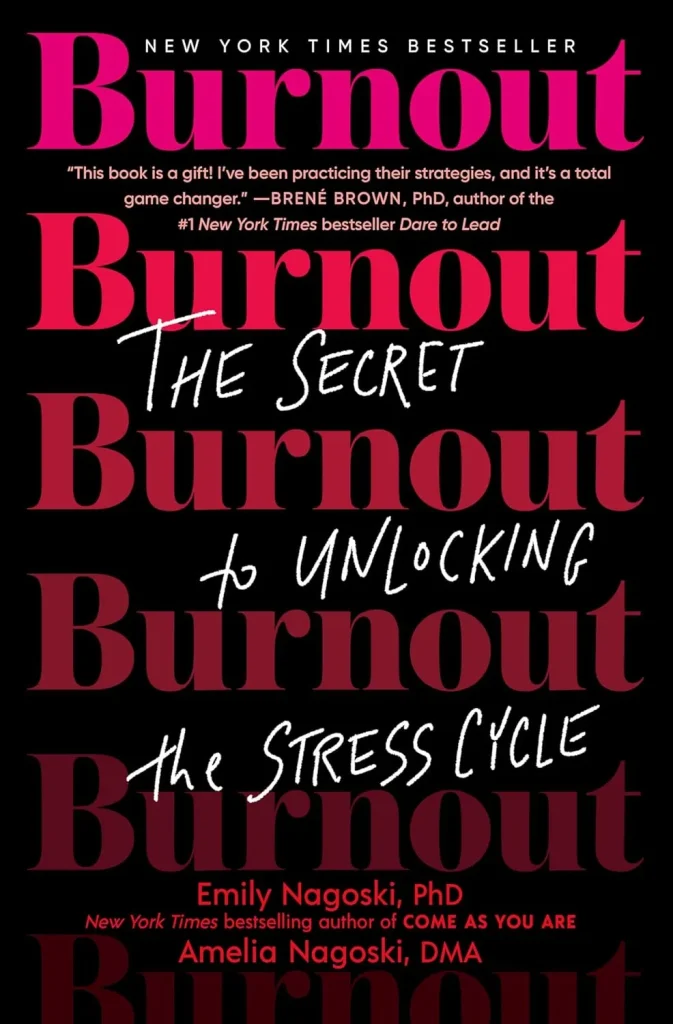
Best for understanding the relationship between stress and emotional exhaustion
Sometimes what feels like constant anxiety is closely connected to prolonged stress and exhaustion.
Burnout explores how stress affects the body and mind and why simply finishing the stressful situation does not always make the emotional response disappear immediately.
The book discusses:
- The stress response
- Emotional exhaustion
- Recovery and rest
- The importance of connection
- Ways to complete the stress cycle
This perspective can be helpful for people who feel mentally overwhelmed even after the original source of stress has passed.
Rather than treating stress as something that can simply be ignored, the book encourages readers to understand what happens to the body and mind during prolonged pressure.
Why an Anxious Mind Has Trouble Finding Calm
Anxiety often keeps attention focused on either the past or the future.
Replaying the Past
You may repeatedly think about something you said, a decision you made, or a mistake you wish you could change.
The mind keeps returning to the same moment in the hope of finding a different answer.
Predicting the Future
Anxiety can also make the future feel like a collection of possible problems.
“What if something goes wrong?”
“What if I make the wrong decision?”
“What if I cannot handle it?”
The problem is that thinking more does not always create more certainty.
Sometimes it simply creates more possibilities to worry about.
What Can Help Calm Anxious Thoughts?
Finding inner calm is often less about forcing thoughts to disappear and more about changing how you respond to them.
Notice the Thought
When an anxious thought appears, try to recognize it without immediately treating it as a fact.
There is a difference between:
“This is going to go badly.”
and:
“I am having a thought that this might go badly.”
That small distinction creates some distance between you and the worry.
Return to What Is Happening Now
Anxiety often pulls attention toward imagined futures.
Bringing your attention back to what is actually happening in the present can reduce the amount of energy spent on possibilities you cannot control.
Give Your Mind Time to Recover
Mental exhaustion can make ordinary worries feel much larger.
Sleep, movement, quiet time, meaningful relationships, and regular breaks can all contribute to better emotional balance.
Which Book Is Right for You?
If you feel trapped in repetitive overthinking:
Break the Anxiety Circle may be the most relevant starting point.
If you want gentle reflections and emotional reassurance:
The Comfort Book offers short and accessible perspectives on difficult moments.
If prolonged stress has left you emotionally exhausted:
Burnout provides a deeper look at how stress affects the mind and body.
Why Break the Anxiety Circle Is Worth Exploring
Anxiety can feel especially frustrating when you understand that worrying is not helping but still cannot seem to stop.
Break the Anxiety Circle by Miles Carter approaches this problem by focusing on the cycle itself.
Instead of asking only, “How can I stop this thought?”, the book encourages readers to become more aware of the patterns that repeatedly bring them back to the same emotional place.
For people who experience overthinking, recurring worries, and difficulty mentally switching off, this approach can provide a useful framework for understanding what is happening inside their minds.
Final Thoughts
A calm mind does not mean never experiencing worry.
Stress, uncertainty, and difficult emotions are part of being human.
The goal is to develop healthier ways to respond when those experiences appear.
The books above offer different paths toward greater emotional awareness, from understanding stress and burnout to developing a different relationship with anxious thoughts.
If you want to better understand why your mind keeps returning to the same worries, Break the Anxiety Circle by Miles Carter is a valuable book to explore.