There are moments when parents realize that something has changed in the relationship with their child. Conversations that once felt easy may now end in arguments, simple requests may turn into resistance, and a child who used to share everything may become quieter. It can be difficult not to take these changes personally, especially when you are already doing your best to provide a safe and supportive home. But a stronger parent-child relationship is not necessarily created by doing more. Sometimes, it begins with understanding what your child needs emotionally and changing the way everyday interactions happen.
Parenting books can be useful during these moments because they offer perspectives that are difficult to see when you are caught inside the situation. The right book can help you understand behavior, rethink communication, and recognize small opportunities to reconnect before everyday conflicts become patterns.
Connection Is Often the Foundation of Cooperation
When a child refuses to listen, parents naturally tend to focus on the behavior. The immediate goal becomes getting the child to cooperate, finish a task, stop arguing, or follow a rule.
But behavior is often connected to the quality of the relationship.
A child who feels understood may be more willing to listen to guidance. A child who feels ignored may respond more strongly, even when the request itself is reasonable.
Understanding Does Not Mean Giving In
Emotional connection does not mean allowing children to do whatever they want. Parents still need boundaries, expectations, and consequences.
The difference is that boundaries can be communicated within a relationship built on trust rather than fear.
This distinction is one reason many modern parenting approaches place so much emphasis on connection, emotional awareness, and respectful communication.
5 Parenting Books for Building a Stronger Connection
The Parent You Aspire to Be by Miles Carter
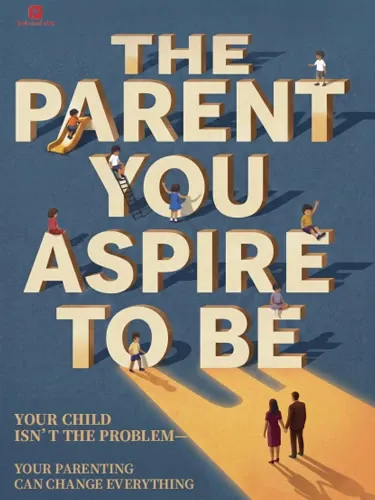
Best for becoming a more emotionally aware parent
The Parent You Aspire to Be by Miles Carter focuses on the parent behind the parenting behavior. Instead of looking only at what children should do differently, the book encourages parents to consider their own reactions, communication habits, emotional responses, and expectations.
Parenting becomes especially difficult when adults are tired or overwhelmed. A parent may know that shouting is not the response they want, yet still find themselves raising their voice after a long day.
The book encourages a more reflective approach to these situations. It explores how greater self-awareness can influence the way parents communicate, respond to difficult behavior, and create emotional connection with their children.
For parents who want to improve not only their parenting techniques but also the relationship underneath those techniques, this book provides a thoughtful starting point.
The Parent You Aspire to Be
Miles CarterPractical guidance for tantrums, backtalk, lying, screen addiction, emotional outbursts, and everyday parenting struggles.
How to Talk So Kids Will Listen & Listen So Kids Will Talk by Adele Faber and Elaine Mazlish
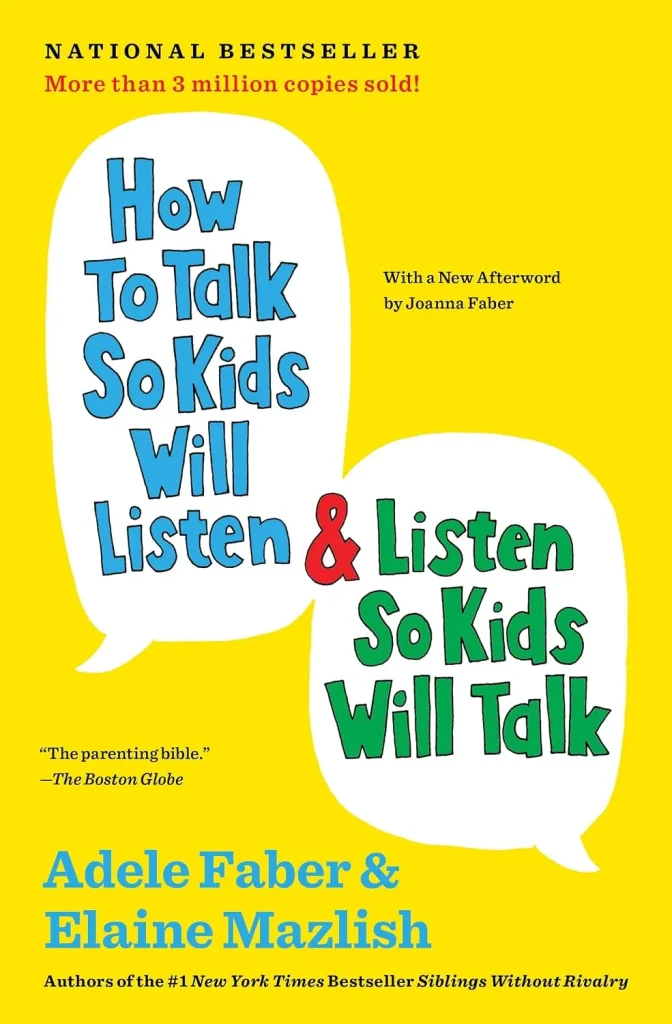
Best for improving everyday parent-child communication
Many parenting conflicts are actually communication problems. Parents want children to listen, while children want to feel that their perspective matters.
How to Talk So Kids Will Listen & Listen So Kids Will Talk focuses on practical communication approaches that can make everyday interactions more constructive.
The book explores ways to acknowledge children’s feelings, encourage cooperation, communicate boundaries, and respond to difficult situations without unnecessarily escalating conflict.
Its practical communication focus makes it useful for parents who often find themselves repeating the same instructions without getting the response they hoped for.
The Whole-Brain Child by Daniel J. Siegel and Tina Payne Bryson
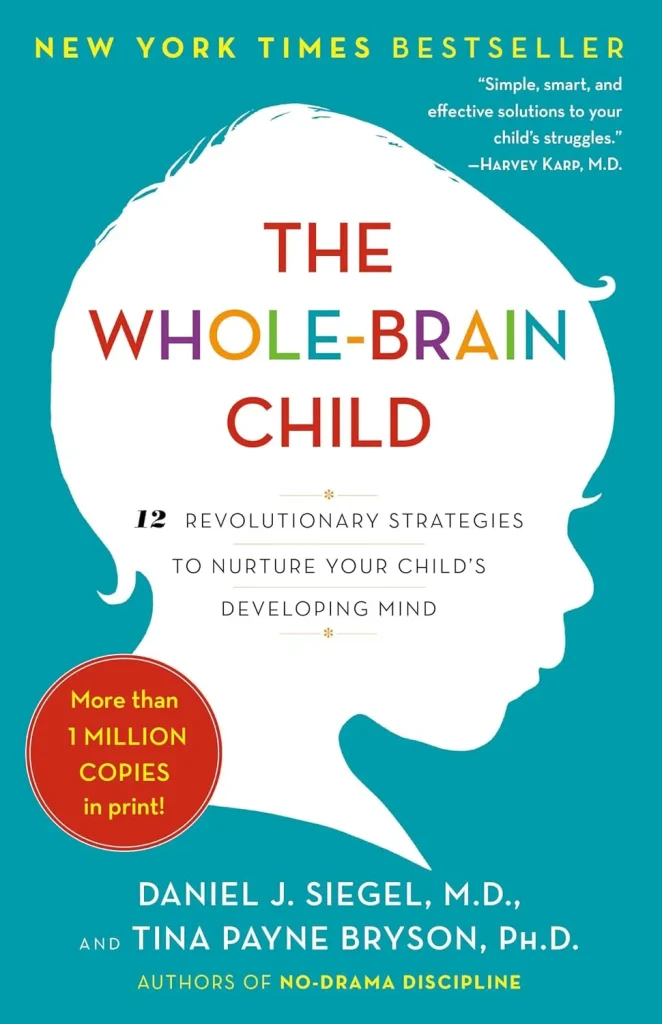
Best for understanding children’s emotional development
Children do not always have the emotional skills needed to explain what they are experiencing. Their behavior can sometimes look irrational or deliberately difficult when they are actually struggling to process strong emotions.
The Whole-Brain Child introduces ideas about children’s developing brains and explains how parents can respond to emotional moments in ways that support development and connection.
The book can help parents understand why children may react strongly to situations that seem relatively small from an adult perspective.
For parents who want to better understand what happens inside a child’s emotional world, it offers a useful framework.
No-Drama Discipline by Daniel J. Siegel and Tina Payne Bryson
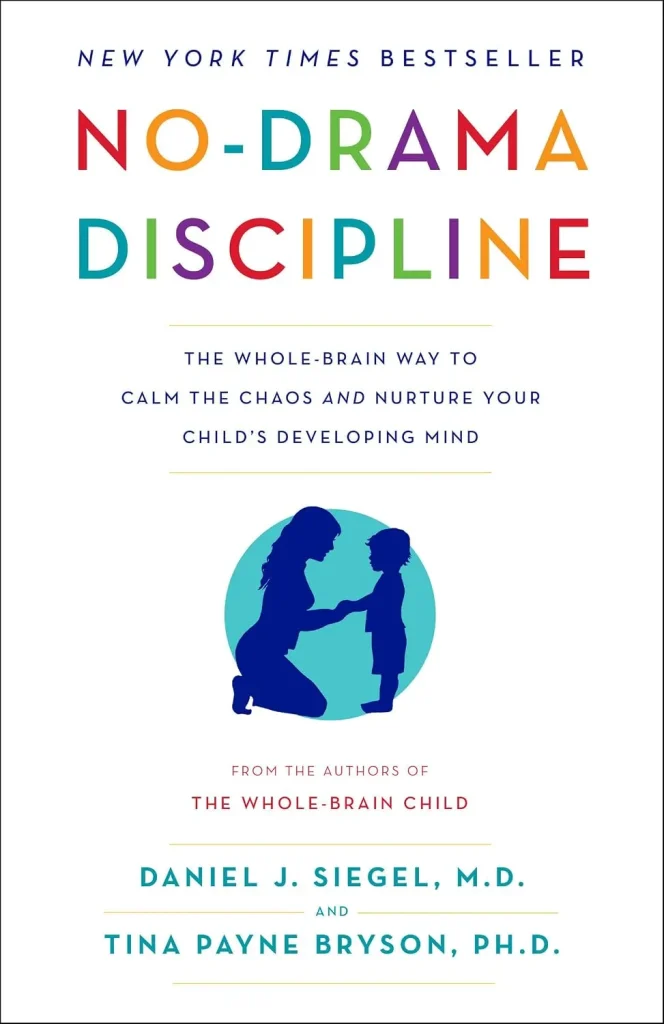
Best for handling discipline while maintaining connection
Discipline can easily become one of the most difficult parts of parenting. Parents need to establish limits, but repeated punishment and conflict can damage the emotional atmosphere at home.
No-Drama Discipline explores how parents can respond to challenging behavior while considering children’s emotional and developmental needs.
The approach focuses on teaching rather than simply punishing, helping parents think about what children can learn from difficult moments.
This can be particularly helpful for parents who want to maintain firm boundaries without turning every disagreement into a power struggle.
Peaceful Parent, Happy Kids by Laura Markham
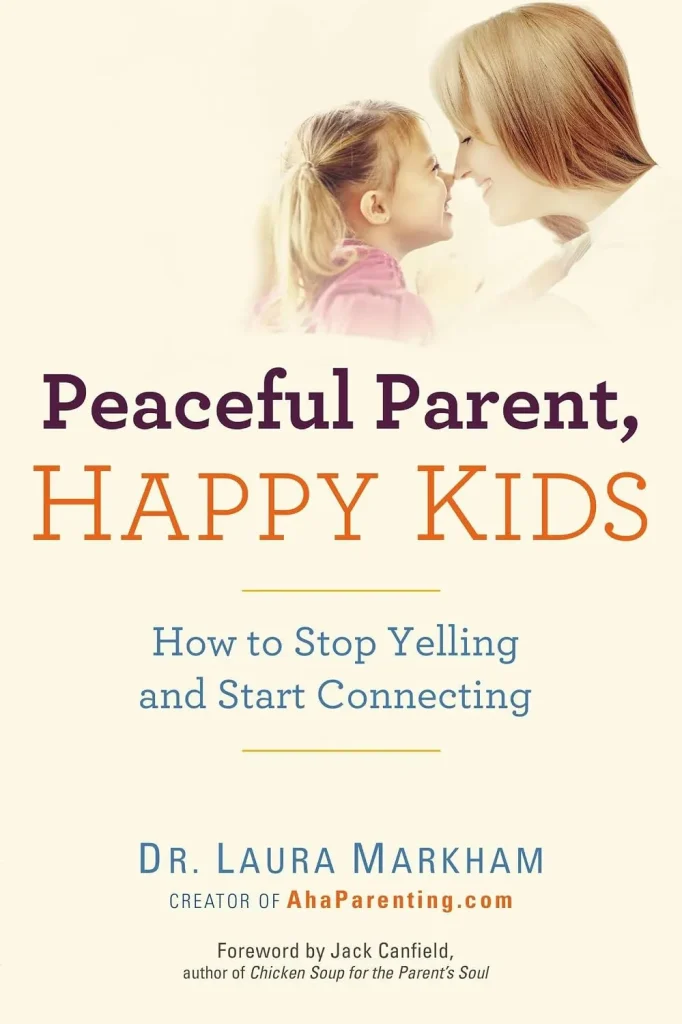
Best for creating a calmer emotional environment
Parents often focus on changing their children’s behavior without considering how much the emotional atmosphere at home influences those behaviors.
Peaceful Parent, Happy Kids emphasizes the importance of connection, emotional regulation, and the parent’s own ability to remain present during challenging moments.
The book encourages parents to strengthen their relationship with their children while also becoming more aware of their own emotional responses.
For families dealing with frequent tension, this focus on connection and parental calm can provide a valuable perspective.
What These Books Have in Common
Although these books approach parenting from different angles, they share an important idea: children’s behavior cannot always be understood separately from their emotional needs and relationships.
Communication, discipline, emotional development, and parental self-awareness all influence the quality of the parent-child bond.
That does not mean parents need to become perfect.
It means that small changes in how parents respond can gradually change the emotional environment at home.
Connection Is Built During Ordinary Moments
Parents sometimes imagine that strengthening a relationship requires large amounts of dedicated time.
In reality, connection is often created during ordinary moments.
It can happen when you listen to a story that seems unimportant, ask your child what they think instead of immediately giving advice, sit beside them after an argument, or acknowledge that they are disappointed even when you cannot give them what they want.
Small Interactions Carry Emotional Meaning
A child may not remember every rule you explained.
But they may remember whether they felt safe telling you something embarrassing.
They may remember whether you listened when they were upset.
They may remember whether you apologized after losing your patience.
These experiences gradually shape the child’s understanding of the relationship.
Why The Parent You Aspire to Be Deserves Special Attention
Among the books on this list, The Parent You Aspire to Be by Miles Carter takes a particularly reflective approach to parenting.
Instead of asking only how to make children behave differently, it encourages parents to consider the kind of parent they want to become.
That question can be surprisingly important.
When parents become more aware of their own emotional patterns, they may begin to notice why certain situations trigger frustration, why some behaviors feel particularly difficult, and how their reactions influence the interaction.
For parents who want to build stronger emotional connections while continuing to grow themselves, the book offers a perspective that goes beyond individual parenting techniques.
Final Thoughts
A strong relationship with your child is not built by getting every interaction right. Children will still argue, resist, become frustrated, and make mistakes. Parents will also lose patience, misunderstand situations, and occasionally respond in ways they later regret.
What matters is what happens over time.
When parents listen more carefully, communicate with greater awareness, recognize children’s emotions, and become more conscious of their own reactions, everyday interactions can gradually become more connected.
If you are looking for parenting books that can help you build a stronger emotional bond with your child, The Parent You Aspire to Be by Miles Carter is a worthwhile place to begin.