You already know the formula. Spend less than you earn. Invest the difference. Repeat for decades.
That is not the problem. The problem is that knowing the formula does not make you follow it. If it did, everyone would be wealthy.
The real question is not “what do wealthy people do?” It is “why do most people know what to do and still not do it?”
The answer is not about math. It is about mindset, behavior, and systems. And that is what the right books actually teach you.
Why Most People Stay Stuck
Here is what keeps people from building wealth:
They think wealth is about income. It is not. It is about what you keep. Many high earners are broke. Many modest earners are wealthy. The difference is not the number on the paycheck. It is what happens after the paycheck arrives.
They think discipline is the answer. It is not. Discipline is finite. Systems are permanent. The people who build wealth do not rely on willpower. They design their environment so good decisions are automatic and bad decisions are difficult.
They think wealth looks like spending. It does not. The people who look wealthy are often not wealthy. The people who are wealthy often do not look it. Real wealth is quiet. It does not need to be seen.
They think they are the exception. Everyone thinks they will start next month. Everyone thinks they are different. Everyone thinks they will figure it out later. The people who build wealth are not different. They just start before they feel ready.
3 Books That Actually Show You How Wealth Is Built
These three books do not give you more tactics. They give you the framework you have been missing.
1. From Debt to Wealth by Owen Pierce
Start here: fix the way you think before you fix what you do.
Most people try to change their financial situation by changing their actions. They make a budget. They cut spending. They start saving. And then they fall back into old patterns because the thinking never changed.
Pierce starts at the source. He explains why you keep making the same mistakes, why a raise never makes you feel richer, why you spend on things that do not matter, and why discipline always seems to run out.
The book covers why the poor pursue comfort and the wealthy pursue discomfort. Why luxury is a trap, not a reward. Why a salary is a starting point, not a destination. And why the fastest path to financial freedom is not a bigger income—but a better system.
This is not a budgeting book. It is a rewiring of how you see money.
For anyone who has tried and failed to change their financial habits.
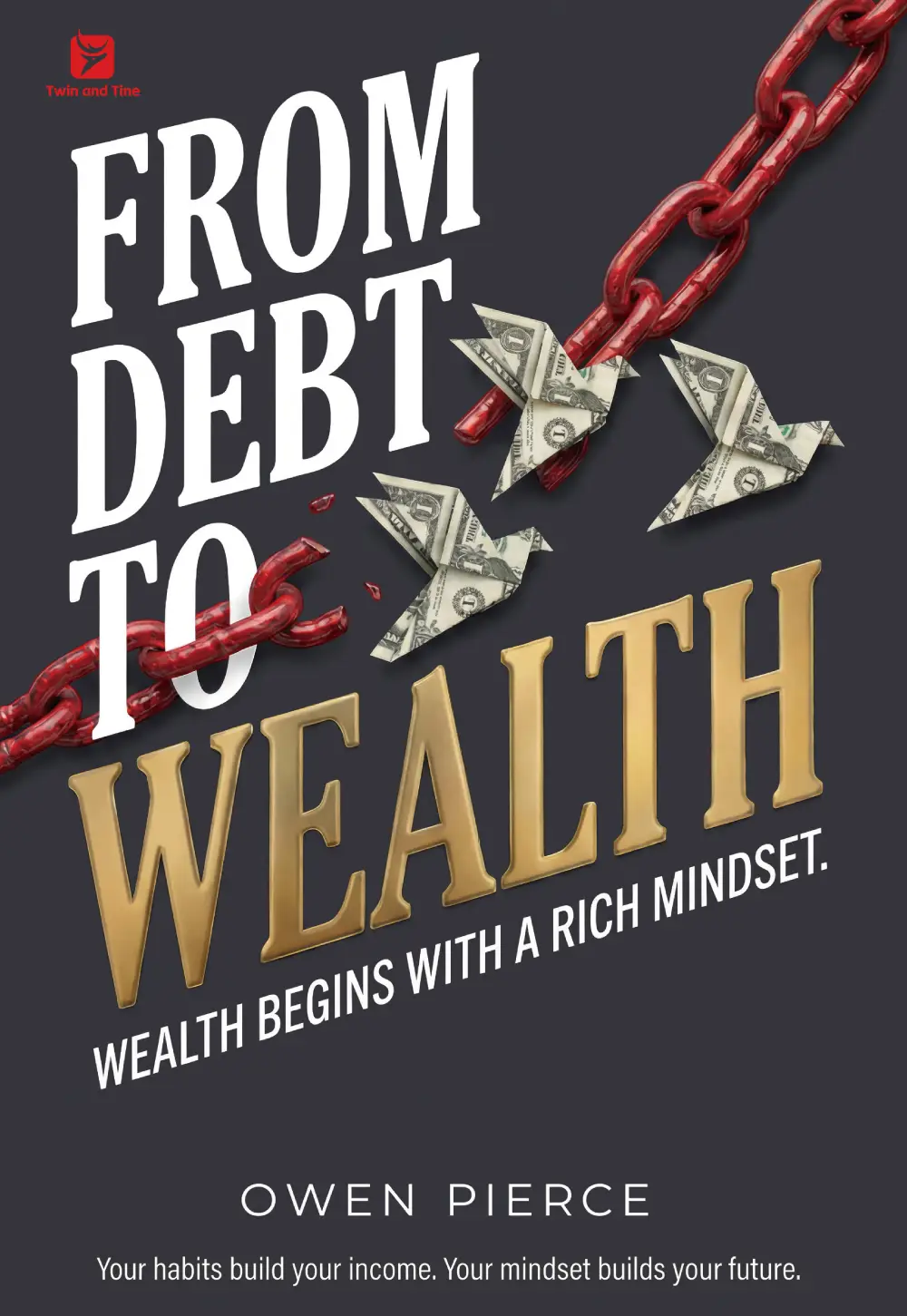
From Debt to Wealth
Owen PierceA money framework for people stuck in the paycheck-to-paycheck cycle. Understand why your income never feels like enough — and how to break out.
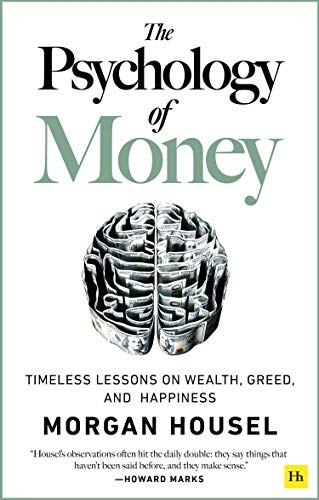
2. The Psychology of Money by Morgan Housel
Understand why your behavior matters more than your knowledge.
You probably know what you should do with money. Save more. Invest consistently. Spend less. The problem is not knowing. The problem is doing.
Housel explains why we compare ourselves to others. Why we take risks we should not. Why saving feels impossible. Why we think short-term when wealth rewards long-term thinking.
The most powerful insight: wealth is not built on big moves. It is built on small, consistent choices made over decades. The person who saves consistently in an index fund will outperform the person who tries to time the market—every time.
For anyone who knows what to do but cannot seem to actually do it.
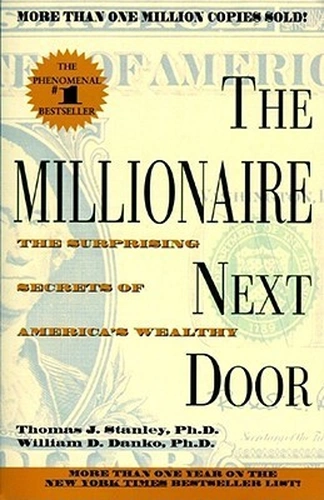
3. The Millionaire Next Door by Thomas J. Stanley and William D. Danko
See what real wealth actually looks like.
Most people think wealth looks like expensive cars, designer clothes, and big houses. Stanley and Danko spent years studying actual millionaires and found the opposite.
Most wealthy people do not look wealthy. They live below their means. They drive older cars. They buy sensible clothes. They built their wealth by saving aggressively and investing consistently—not by signaling success.
The book breaks down the habits that separate those who look rich from those who actually are rich. It explains why avoiding lifestyle inflation matters. Why building assets matters more than buying status. Why the real measure of wealth is not what you earn—but what you keep.
For anyone who has ever confused looking rich with being rich.
These three books work together. Pierce gives you the foundation. Housel explains the psychology. Stanley and Danko show you what it actually looks like.
If you are tired of knowing what to do and not doing it, start with the one that addresses the root of the problem.
| Best for | |
|---|---|
| From Debt to Wealth | Rewiring how you think about money |
| The Psychology of Money | Understanding why behavior matters more than knowledge |
| The Millionaire Next Door | Seeing what real wealth actually looks like |
Frequently Asked Questions
What is the single biggest difference between people who build wealth and those who do not?
They think about money differently. Not just what they do—how they see it. One group sees money as something to earn and spend. The other sees it as something to build and grow.
Do I need a high income to build wealth?
No. Income is not the determining factor. Your saving rate matters more than your income. Many high earners are broke. Many modest earners are wealthy.
What if I have debt?
You can still build wealth. The key is understanding the difference between good debt and bad debt. Good debt builds assets. Bad debt buys liabilities.
If I can only read one, which should it be?
If you feel stuck and do not know where to start, From Debt to Wealth. It addresses the foundation. The other books build on it.