Many parents enter parenthood with the hope of creating a better experience for their children than the one they had growing up. They want to communicate more openly, provide more emotional support, and create a home where their children feel safe and understood.
However, some parents eventually notice that certain reactions feel difficult to control. A small disagreement may trigger a strong emotional response, or they may find themselves repeating communication patterns they once promised they would avoid.
These moments often raise an important question: why do we sometimes respond to our children in ways that do not match the parent we want to become?
The answer is not always about parenting knowledge. Many reactions are connected to earlier experiences, emotional habits, and relationship patterns formed during childhood. Understanding how childhood trauma affects parenting styles can help parents recognize these patterns and begin creating healthier ways to connect with their children.
How Childhood Experiences Influence Parenting Styles
The way people experience relationships during childhood can shape how they understand emotions, conflict, and connection later in life. Children learn from the environment around them. They observe how adults communicate, how disagreements are handled, and whether emotions are accepted or dismissed.
For some parents, childhood experiences may influence their parenting in subtle ways. Someone who grew up in a home where emotions were rarely discussed may struggle when their child expresses strong feelings. A person who experienced strict criticism may become overly focused on avoiding mistakes. Another parent who grew up with instability may try to control every detail of family life because predictability feels safer.
These patterns do not mean someone is destined to repeat the past. They simply show how deeply early experiences can influence the way people respond in close relationships.
Why Parents Sometimes Repeat Patterns They Want to Change
Many parents are surprised when they notice familiar behaviors appearing in their own parenting.
They may remember difficult moments from their childhood and think they would never respond the same way. Yet during stressful situations, they may find themselves using similar communication styles, emotional reactions, or discipline approaches.
This happens because parenting is not only based on what we know. It is also influenced by what we have experienced.
When emotions become intense, people often rely on familiar responses. A parent who never experienced calm conversations about feelings may find it challenging to stay patient during emotional conflicts. A parent who was expected to be perfect may unintentionally place similar pressure on their child.
Recognizing these patterns is the first step toward changing them.
Becoming Aware of Your Emotional Triggers
One of the most important parts of breaking unhealthy parenting patterns is understanding what situations create strong emotional reactions.
Every parent has moments that feel especially challenging. It may be when a child refuses to listen, when routines become difficult, or when a parent feels that their efforts are not appreciated. These situations can bring up emotions that feel much bigger than the immediate problem.
Instead of only focusing on the child’s behavior, self-awareness encourages parents to look inward and ask why the situation feels so difficult.
A parent who notices their triggers can begin responding with more intention. They can recognize when an old emotional pattern is influencing the present moment and make a different choice.
The Parent You Aspire to Be by Miles Carter

Understanding the connection between childhood experiences and parenting is an important first step, but awareness alone is not enough. Many parents eventually ask a deeper question: how can they use this understanding to become the kind of parent they truly want to be?
This is the central idea explored in The Parent You Aspire to Be by Miles Carter.
Rather than focusing only on parenting techniques or behavior management, the book looks at the person behind the parenting decisions. It explores how parents can better understand their emotions, communication habits, and personal patterns in order to create stronger relationships with their children.
The book recognizes that parenting is not simply about finding the perfect method for handling every situation. It is about developing the awareness and emotional skills needed to respond with patience, understanding, and intention.
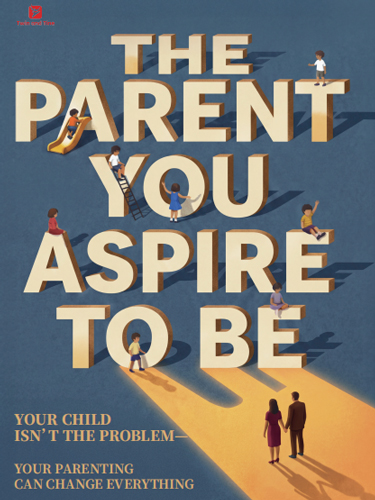
The Parent You Aspire to Be
Miles CarterPractical guidance for tantrums, backtalk, lying, screen addiction, emotional outbursts, and everyday parenting struggles.
Looking Beyond Behavior to Build Connection
One of the most valuable perspectives in The Parent You Aspire to Be is the idea that children’s behavior is often connected to their emotional needs, and parents’ reactions are often connected to their own emotional experiences.
When a child acts out, many parents naturally focus on correcting the behavior. However, a stronger relationship often begins by understanding what is happening underneath the behavior.
The same approach applies to parents themselves.
Instead of judging their own reactions, parents can become curious about them. Why did this moment feel overwhelming? What emotion appeared first? What response reflects the kind of parent they want to become?
These questions create opportunities for growth.
Breaking Patterns Through Intentional Parenting
Changing parenting patterns does not require parents to completely reject their past. Childhood experiences can include both positive lessons and difficult moments. The goal is not to erase where someone came from, but to become more intentional about what they carry forward.
The Parent You Aspire to Be by Miles Carter encourages parents to examine these patterns with honesty and compassion. The book helps readers understand that becoming a better parent is not about achieving perfection. It is about recognizing opportunities for growth in everyday interactions.
A parent who learns to pause before reacting creates a different experience for their child. A parent who learns to communicate emotions openly teaches their child that feelings are safe to express. A parent who apologizes after a difficult moment shows that relationships can recover and become stronger.
These small changes can gradually reshape the emotional environment of a family.
Why Self-Awareness Is an Important Part of Parenting Growth
Many parents search for answers about discipline, routines, and child behavior. While these areas matter, long-term improvement often begins with understanding the parent’s own emotional world.
Self-awareness helps parents recognize their strengths, understand their challenges, and respond to their children with greater empathy. It allows them to separate the past from the present and make choices based on the relationship they want to create.
This is why emotional growth is such an important part of modern parenting. A parent does not need to have a perfect history to create a healthy relationship with their child. What matters is the willingness to reflect, learn, and continue growing.
Creating a Different Future for Your Child
The patterns we experience growing up can influence us, but they do not have to define us.
Parents have the ability to create new family traditions, healthier communication habits, and stronger emotional connections. This process begins by understanding where certain behaviors come from and deciding what kind of relationship they want to build moving forward.
For parents who want to break unwanted patterns and create a more connected family environment, The Parent You Aspire to Be by Miles Carter provides a thoughtful perspective on personal growth, emotional awareness, and intentional parenting.
The book reminds parents that becoming a better parent is not about never making mistakes. It is about becoming more aware, repairing when needed, and continuing to build a relationship based on trust and understanding.
Final Thoughts
Childhood experiences can influence the way people approach parenting, but they do not determine the parent they will become. By developing self-awareness and understanding their own emotional patterns, parents can create healthier responses and stronger connections with their children.
The Parent You Aspire to Be by Miles Carter explores this journey by encouraging parents to look beyond simple parenting techniques and focus on personal growth, emotional connection, and the kind of relationship they want to create.
For parents who want to understand themselves better and build a stronger bond with their children, changing the future often begins by understanding the past.