Here is the uncomfortable truth about 2026: the rules have changed.
What worked in 2016—buy a house, hold a job for thirty years, retire on a pension—is not coming back. What worked in 2006—buy index funds, wait for the market to recover—is still useful, but not enough. Inflation, automation, and a shifting economy mean that the old playbook no longer guarantees anything.
The key to wealth in 2026 is not one thing. It is three things working together.
3 Books That Teach the Keys to Wealth in 2026
1. From Debt to Wealth by Owen Pierce
The mindset shift you need before anything else.
Pierce explains why most people stay stuck: they think wealth is a reward for hard work. It is not. It is compensation for cognition. It comes from building systems, not from trading time.
The book covers why the poor seek comfort and the wealthy seek discomfort. Why luxury is a trap. Why a salary is a starting point, not a destination. And why the fastest path to financial freedom is not a bigger income—it is a better system.
If you are still using a 2016 mindset in 2026, this book gives you the update you need.
For anyone who has tried everything and still feels stuck.
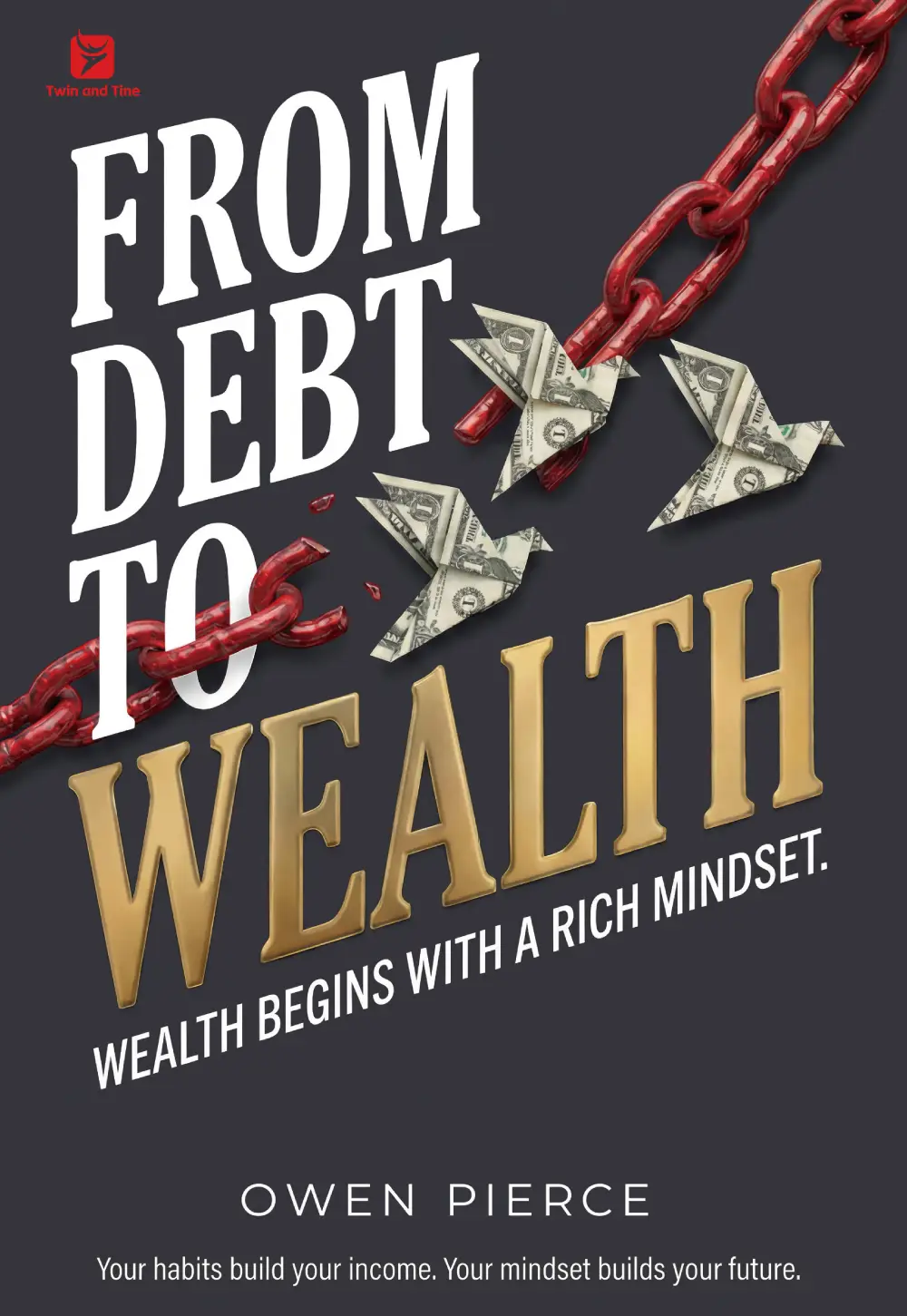
From Debt to Wealth
Owen PierceA money framework for people stuck in the paycheck-to-paycheck cycle. Understand why your income never feels like enough — and how to break out.
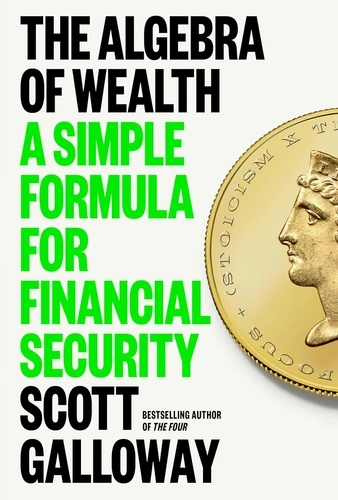
2. The Algebra of Wealth by Scott Galloway
A clear, no-nonsense framework for building wealth in a chaotic world.
Galloway is a professor and entrepreneur who writes about the economy with unusual clarity. This book covers the math behind wealth—simple principles: earn more than you spend, invest the difference, and do it consistently.
He explains why most people struggle with money in the current economy: they spend too much, save too little, and invest poorly. His argument is that the solution is not complicated—it is just uncomfortable.
If you are confused about where the economy is heading, this book gives you a framework that works regardless of what the market does.
For anyone who wants a clear, practical strategy for 2026.
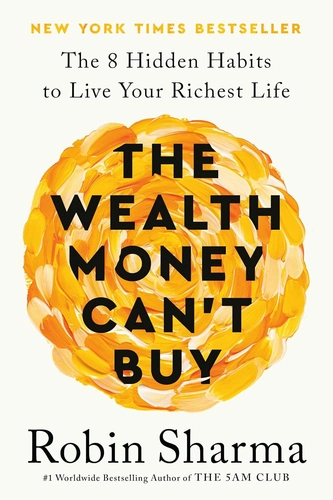
3. The Wealth Money Can’t Buy by Robin Sharma
What if wealth in 2026 is not just about money?
Sharma’s book is different from the others. It is about the wealth that does not show up on a balance sheet: time, relationships, health, purpose, and peace of mind.
He argues that the people who are truly wealthy in 2026 are not just financially free. They are also free from burnout, free from distraction, and free from the endless chase. They have built a life that works on every level—not just financially.
This is not a replacement for financial wealth. It is a complement. It reminds you that the point of wealth is not just the money—it is the life it makes possible.
For anyone who wants to build wealth without losing themselves in the process.
These three books cover the three keys to wealth in 2026: mindset, system, and strategy—plus the reminder that money is not the only form of wealth.
If you are ready to stop working harder and start building something that actually works, start with the one that rewires how you think.
Frequently Asked Questions
What is the single most important thing I need to do in 2026?
Stop trading time for money. Start building systems that generate income without your constant presence. The people who get ahead are not the ones who work the hardest. They are the ones who work on the right things.
Do I need to invest in stocks to build wealth?
Yes, but it is simpler than you think. Low-cost index funds, automated monthly contributions, and never looking at your portfolio—that is the strategy. Complexity is not your friend.
What is the biggest mistake people make in 2026?
Trying to keep up with what they see on social media. Comparing your spending to others is the fastest way to stay broke. Wealth is quiet. It does not need to be seen.
| Best for | |
|---|---|
| From Debt to Wealth | Rewiring how you think about money |
| The Algebra of Wealth | A clear framework for the current economy |
| The Wealth Money Can’t Buy | Remembering that money is not the only form of wealth |