You have probably done this.
You see something you want. You know you cannot afford it. You buy it anyway. You tell yourself you deserve it. You tell yourself you will figure it out later. You tell yourself this is the last time.
It is not. And you know it is not.
The problem is not that you are bad with money. The problem is that you do not understand why you keep doing it. You think it is about willpower. It is not. It is about how your brain is wired.
The books below explain why we spend money we do not have—and what to do about it.
3 Books That Explain Why We Spend Money We Don’t Have
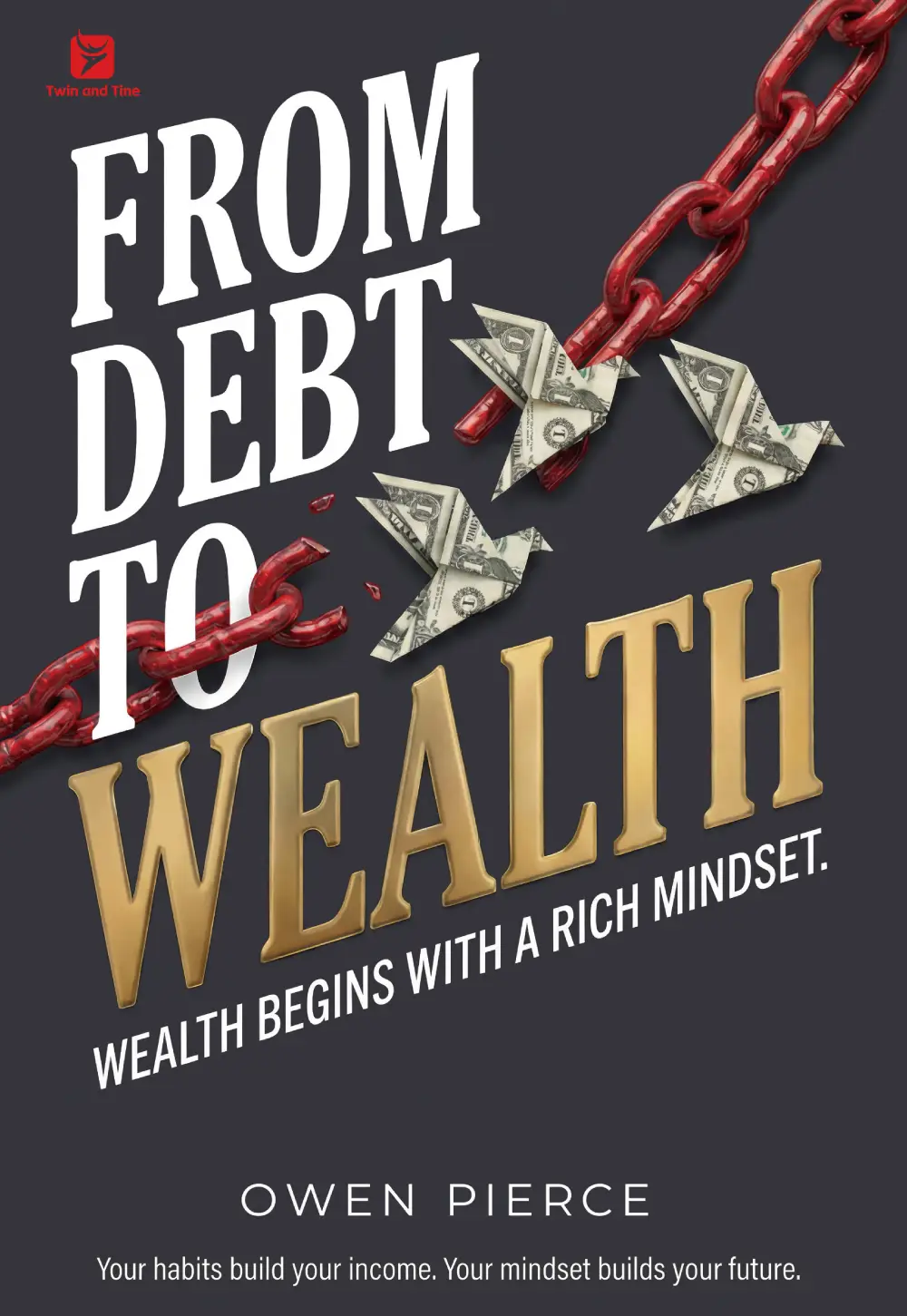
1. From Debt to Wealth by Owen Pierce
The book that explains why you keep repeating the same cycle.
Pierce starts with a question most finance books ignore: why do you make the same financial mistakes even when you know better?
The answer is not about discipline. It is about cognition. The book explains why you crave immediate reward over long-term security. Why you seek comfort when you should seek growth. Why you spend to feel better. Why you believe “this time will be different” when it never is.
It covers why the poor pursue comfort and the wealthy embrace discomfort. Why luxury is a trap, not a reward. Why a salary feels like security but is often a ceiling. And why the fastest path to financial freedom is not a bigger paycheck—it is a better system.
If you have ever asked yourself “why did I do that again?”, this book gives you the answer.
For anyone who keeps repeating the same financial mistakes.
From Debt to Wealth
Owen PierceA money framework for people stuck in the paycheck-to-paycheck cycle. Understand why your income never feels like enough — and how to break out.
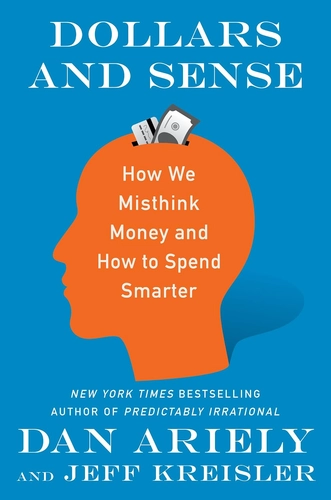
2. Dollars and Sense by Dan Ariely and Jeff Kreisler
Why do you make irrational decisions with money?
Ariely is a behavioral economist who studies why people make bad decisions. This book applies his research to personal finance. It explains why you overpay, why you undervalue your own money, and why your brain treats a $20 bill differently depending on where it came from.
The book covers the psychology behind spending: why you pay more for something when it is on sale, why you spend more freely with credit cards than cash, and why you value your own money less when you earn it from a bonus versus a salary.
What makes this book essential is the honesty about how irrational we really are. Once you see the patterns, you start catching yourself before you make the same mistake.
For anyone who wants to understand the psychology behind their spending.
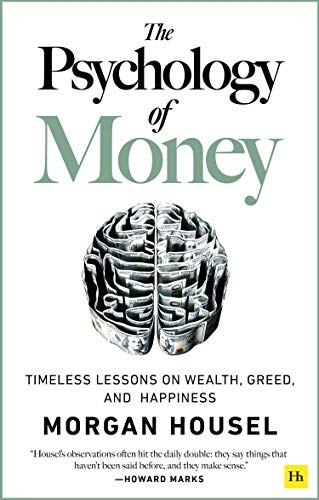
3. The Psychology of Money by Morgan Housel
Why behavior matters more than knowledge.
You probably know what you should do with money. Save more. Invest consistently. Spend less. The problem is not knowing. The problem is doing.
Housel’s book is about the psychology behind financial decisions. Why we compare ourselves to others. Why we take unnecessary risks. Why we struggle to save. Why we think short-term when wealth rewards long-term thinking.
The most powerful insight: wealth is not built on big moves. It is built on small, consistent choices made over decades.
For anyone who knows what to do but cannot seem to actually do it.
Frequently Asked Questions
Why do I keep spending money even when I know I should not?
Because spending is not about the money. It is about the feeling. You are not buying things. You are buying relief, status, comfort, or validation. Until you understand what you are actually buying, you will keep spending.
Is overspending a sign that I am bad with money?
No. It is a sign that you are human. Our brains are wired for immediate reward. The problem is not that you are bad with money. It is that you have not designed a system that protects you from yourself.
If I can only read one book, which should it be?
Start with From Debt to Wealth. It gives you the foundation. Without understanding why you do what you do, no system or strategy will stick.
| Best for | |
|---|---|
| From Debt to Wealth | Understanding why you repeat the cycle |
| Dollars and Sense | Understanding the psychology of spending |
| The Psychology of Money | Understanding your financial behavior |