Most people think financial IQ is about knowing more: more about investing, more about taxes, more about market trends. They think the gap is a knowledge gap. It is not.
Financial IQ is about how you see money. The assumptions you carry about what a salary is for, what wealth looks like, what risk means. You can know all the facts and still make bad decisions—because your framework is broken.
Here are three books that change the framework, not just add to it.
From Debt to Wealth by Owen Pierce
The problem is not your income. It is your mental model.
Pierce argues that most financial struggles are cognition problems, not income problems. You can earn more and stay stuck—because more money does not fix a broken way of seeing money.
He explains why a salary feels like security but is often a trap. Why luxury is usually a display of money you do not have. Why the rich embrace discomfort while others seek comfort. These are not motivational slogans. They are descriptions of how different mental models produce different results.
Pierce does not offer another budgeting system. He offers a shift in how you understand what money is actually for. Before you can make better decisions, you need to see money differently. Once you do, the right actions become obvious rather than forced.
If you have tried budgeting and investing advice and still feel stuck, this book explains why.
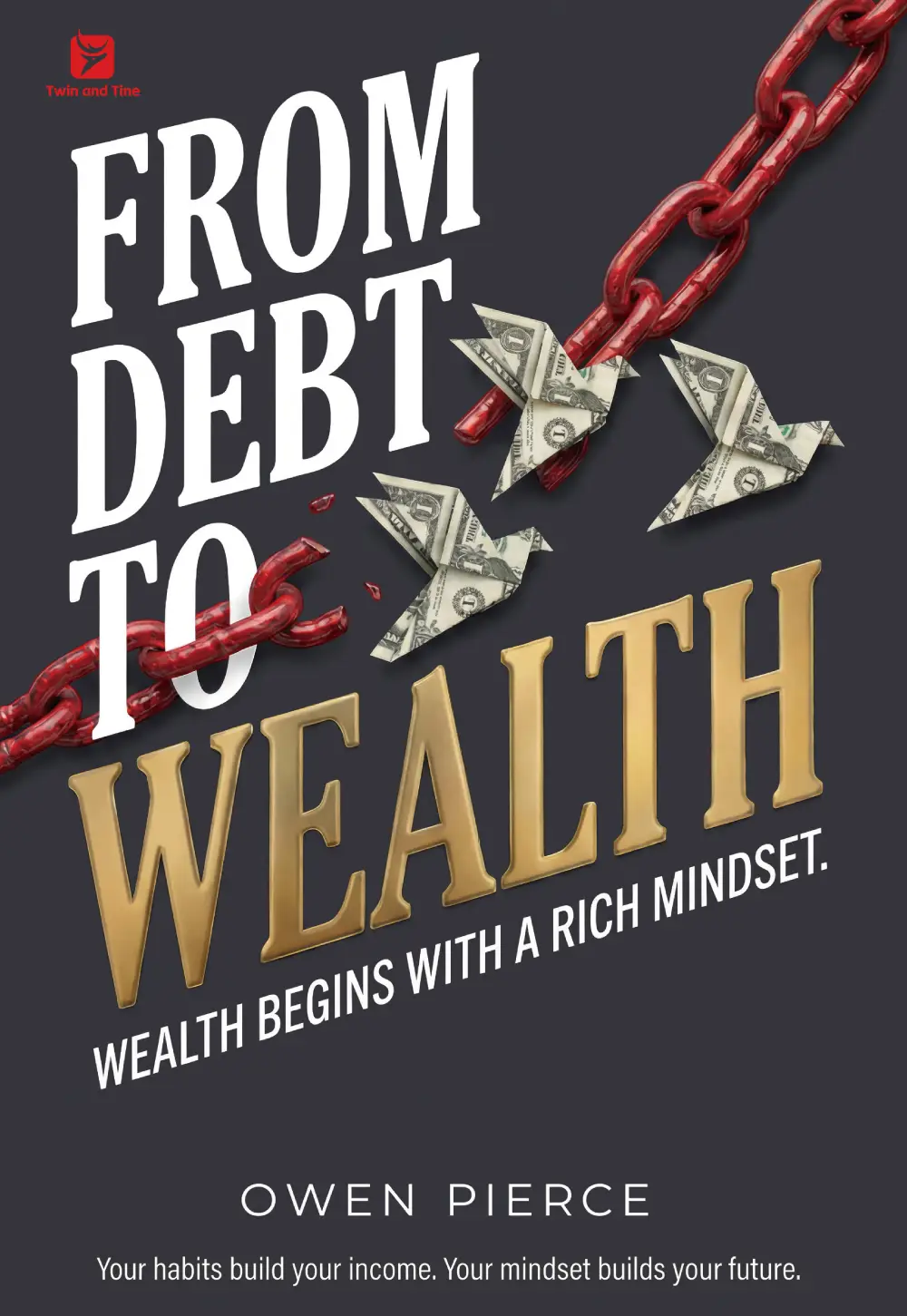
From Debt to Wealth
Owen PierceA money framework for people stuck in the paycheck-to-paycheck cycle. Understand why your income never feels like enough — and how to break out.
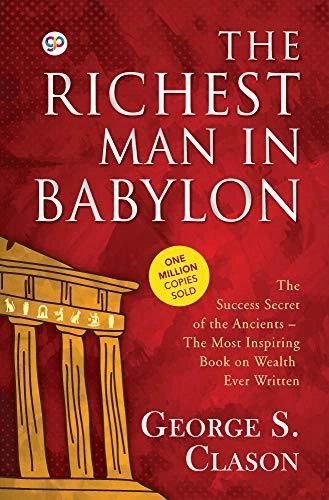
The Richest Man in Babylon by George S. Clason
The rules of wealth have not changed in thousands of years.
This book is a collection of parables set in ancient Babylon. It sounds old-fashioned, but the principles are timeless: pay yourself first, live below your means, make your money work for you, and seek advice from those who know more than you.
Clason distills these principles into short, memorable stories. What makes this book effective is its simplicity. It does not overwhelm you with data. It gives you a few clear rules and repeats them until they stick. It is the kind of book you read once and remember for life.
If you want the foundational principles of wealth in their simplest form, read this.
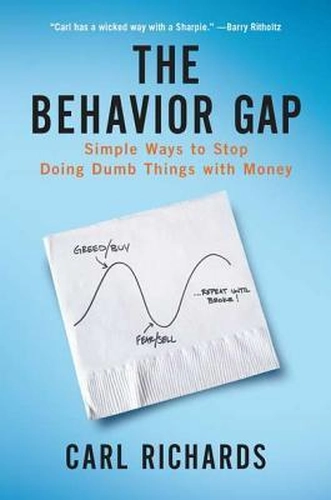
The Behavior Gap by Carl Richards
Why do smart people make dumb money decisions?
Richards is a financial planner who noticed a pattern: his clients knew what they should do, but they kept doing the opposite. He calls this gap between knowledge and action the “behavior gap.”
He explains why we sell low and buy high, why we chase past performance, why we react to news instead of sticking to a plan. The book is short, visual, and full of simple drawings that make complex ideas clear. It is not about what you know. It is about what you do when you are scared or greedy.
If you know the rules but keep breaking them, this book tells you why.
The order that makes sense
Pierce first. He rewires how you see money. Clason second. He gives you the ancient, enduring principles to hold onto. Richards third. He shows you the emotional traps that will try to pull you off course.
You can read them in any order. But reading them in this order makes each one more useful—because you need a new framework before you can absorb the principles, and you need the principles before you can recognize the emotional traps.