“This is how you can read someone in just 3 seconds.”
You’ve probably heard this before. The idea that with a few quick observations, you can understand what someone is really thinking — even when their words say something else.
The truth is, you can’t read someone’s mind. But you can read their body. And the body rarely lies.
People are constantly sending signals they don’t even realize they’re sending. Once you know what to look for, you’ll notice these signs everywhere. Here’s how to read someone in just a few seconds.
Key Takeaways (At a Glance)
- Crossed arms or legs the moment they see you can be a sign they’re feeling uncomfortable around you.
- Touching or rubbing their forehead while speaking may indicate stress, embarrassment, or inner discomfort.
- Open palms suggest openness — while hiding their hands can mean they’re holding something back.
- Steady eye contact reflects confidence — but if it feels forced or unusually intense, it’s likely a performance.

Crossed Arms or Legs: A Sign of Discomfort
When a person crosses their arms or legs the moment they see you, it can be a sign they’re feeling uncomfortable around you. Their body becomes defensive, even if their words seem friendly.
Think about it. The body doesn’t lie. Someone can say all the right things — “good to see you,” “I’m so happy to be here” — but if their arms are crossed and their legs are locked, they’re not feeling safe. They’re protecting themselves.
I remember meeting someone for coffee once. He smiled, said all the right things, but crossed his legs immediately after sitting down. Something felt off. Later I found out he’d been nervous the whole time. The words were polite. The body told the truth.
Touching or Rubbing the Forehead: Stress or Discomfort
If they keep touching or rubbing their forehead while speaking, they may be experiencing stress, embarrassment, or inner discomfort. The forehead is sensitive. It’s a spot we instinctively touch when we’re processing something difficult.
This is especially telling in tense conversations. If you’re giving feedback and they start rubbing their forehead, they’re likely feeling defensive. If you’re asking a personal question and they touch their forehead, they might be uncomfortable. Pay attention to when this happens — not just that it happens.
Open Hands or Hidden Hands: What They’re Really Saying
Pay attention to their hands. Open palms often suggest openness, while constantly hiding their hands can sometimes mean they’re holding something back. Think about it. When someone is being honest, their hands are visible. When someone is hiding something, they often put their hands in their pockets, under the table, or behind their back.
It’s not a smoking gun. It’s a clue. If someone is telling you something important and their hands are hidden, something might be off.
A friend of mine noticed this during a business negotiation. The other party was saying all the right things, but kept his hands under the table. Something felt off. It turned out he was hiding a proposal that wasn’t in the company’s best interest. The hands gave him away.
Eye Contact: Confidence or Performance
Finally, look at their eye contact. Calm, steady eye contact usually reflects confidence, but if it feels forced or unusually intense, it may be more about creating an impression than being authentic.
Confidence looks relaxed. Performance looks held. Real eye contact feels natural — it comes and goes. Forced eye contact feels like a stare. It’s held too long. It doesn’t blink. It’s trying too hard.
I met someone once who held eye contact for so long it made me uncomfortable. It didn’t feel confident — it felt controlling. Later, I realized he was trying to dominate the conversation. It wasn’t authenticity. It was a power play.
Putting It All Together
Reading people in 3 seconds isn’t about perfection. It’s about noticing. You might not always be right. But you’ll start seeing patterns. You’ll notice when someone’s words and body don’t match. You’ll catch the small cues that others miss.
The key is to observe without judgment. Watch. Notice. Let the signals reveal themselves.
The One Book That Can Help You Master This
If you’re ready to go deeper and learn how to read people more effectively, How to Read Someone’s Mind by Miles Carter is the book you need. It teaches you how to understand body language, facial expressions, eye contact, gestures, and other nonverbal signals — so you can respond with clarity and confidence in any situation.
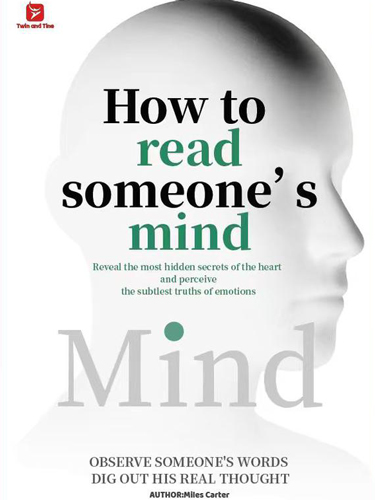
How to Read Someone’s Mind
Miles CarterPractical tools for reading body language, tone, and hidden intentions in real time. Spot what people aren’t saying — before you trust the wrong person.
FAQ
Q: Can you really read someone in 3 seconds?
A: Not perfectly. But you can form a strong initial read. Enough to know if they’re comfortable, defensive, or hiding something. The goal isn’t certainty — it’s awareness.
Q: What does it mean if someone crosses their arms when they see me?
A: It could mean they’re uncomfortable, defensive, or closed off. It’s not always about you — but it’s always a sign that something isn’t fully open.
Q: Is touching the forehead always a sign of stress?
A: Not always. Some people do it out of habit. But in tense conversations, it’s often a sign of stress, embarrassment, or inner discomfort. Pay attention to when it happens.
Q: What if someone hides their hands — does that mean they’re lying?
A: Not necessarily. But it often signals they’re holding something back. It’s a clue, not a confession.
Q: What’s the difference between confident eye contact and forced eye contact?
A: Confident eye contact is relaxed and natural — it comes and goes. Forced eye contact is held too long, feels like a stare, and often lacks blinking. It’s a performance.
