A single thought can sometimes change the entire direction of your day.
You may wake up feeling fine, then suddenly remember a past mistake, worry about an upcoming event, or imagine everything that could go wrong. Before you realize it, one small concern has turned into a long chain of anxious thoughts.
This experience is common. Anxiety often does not appear as one obvious feeling. Instead, it can show up through repeated questions, constant planning, self-doubt, and the need to find certainty in situations that cannot always be controlled.
The challenge is that anxious thoughts often feel convincing. They may seem like problems that need immediate attention, even when they are only possibilities rather than realities.
Learning how to stop anxious thoughts is not about forcing your mind to become completely empty. Everyone experiences worries and concerns. The goal is to understand your thinking patterns, reduce the power of anxious thoughts, and create healthier ways to respond.
Why Anxious Thoughts Keep Coming Back
Many people try to fight anxiety by pushing unwanted thoughts away. However, the harder they try not to think about something, the more attention they may give it.
Anxious thoughts often continue because the brain is trying to protect you. It looks for potential risks, prepares for possible problems, and searches for ways to avoid negative outcomes.
This protective process becomes exhausting when it turns into a constant cycle.
Common signs of repeated anxious thinking include:
- Replaying conversations again and again
- Imagining worst-case scenarios
- Worrying about things outside your control
- Searching for constant reassurance
- Having difficulty focusing on the present moment
Recognizing these patterns is the first step toward changing them.
Understand the Difference Between Thinking and Overthinking
Thinking helps us solve problems. Overthinking keeps us trapped in the same mental space without creating meaningful solutions.
For example, thinking about an upcoming presentation may help you prepare. But repeatedly imagining every possible mistake, questioning your ability, and worrying about what others might think can increase stress instead of helping.
The difference is often whether your thoughts lead to action or create more anxiety.
When you notice your mind repeating the same concerns without progress, it may be a sign that you are caught in an anxious thinking cycle.
Learn to Observe Your Thoughts Instead of Fighting Them
One helpful way to manage anxious thoughts is learning to create distance from them.
A thought is not always a fact.
When anxiety appears, many people immediately accept the thought as a warning:
“I might fail.”
“Something bad could happen.”
“I should have handled that differently.”
Instead of automatically believing every thought, try noticing it:
“I am having a worry thought right now.”
This small shift can help you become more aware of your mental patterns and reduce the emotional control that anxious thoughts have over you.
Focus on What You Can Control
Anxiety often grows when your attention stays focused on uncertain situations.
You may spend hours thinking about:
- What someone else might think
- What could happen in the future
- Whether you made the perfect choice
- Situations you cannot change
While these concerns are understandable, they often create stress without providing solutions.
A healthier approach is redirecting your energy toward what you can influence.
Ask yourself:
- What action can I take today?
- What part of this situation is within my control?
- What would help me feel more prepared?
Taking small meaningful actions can help replace helplessness with confidence.
Create Habits That Support a Calmer Mind
Managing anxious thoughts is not only about what you do during stressful moments. Daily habits can also influence how your mind responds to pressure.
Some helpful habits include:
Taking time to slow down
Constant stimulation can make an already busy mind feel even more overwhelmed. Quiet moments can help create space for reflection and emotional recovery.
Writing down your worries
Putting thoughts on paper can make them feel more organized and less overwhelming. It can also help you identify patterns that repeat.
Building awareness of emotional triggers
Certain situations, conversations, or experiences may consistently increase anxiety. Understanding these triggers can help you respond more intentionally.
Break the Cycle Behind Anxiety
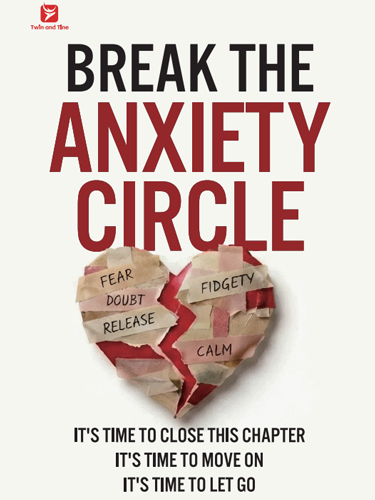
Break the Anxiety Circle
Miles CarterA mental reset for people trapped in the overthinking loop. Understand why your mind won’t stop racing — and how to break free from anxiety, people-pleasing, and emotional exhaustion.
Stopping anxious thoughts becomes easier when you understand the pattern behind them.
A worry often creates an emotional reaction. That reaction makes the worry feel more important, which leads to more attention and even stronger anxious thinking.
This creates a cycle where thoughts and emotions continue reinforcing each other.
Understanding this process can help you stop viewing anxiety as something random and start recognizing the patterns that keep it going.
How Break the Anxiety Circle by Miles Carter Helps Readers Understand Anxiety Patterns
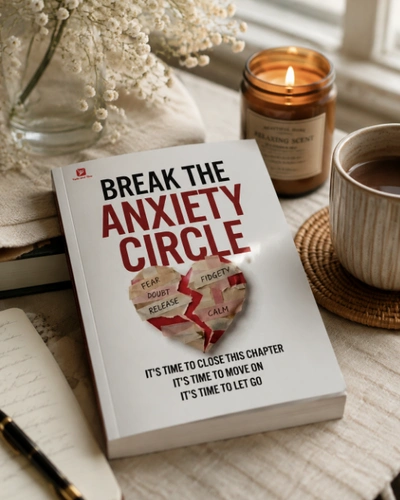
For people who struggle with constant worry, overthinking, or recurring anxious thoughts, understanding the anxiety cycle can be an important step toward change.
Break the Anxiety Circle by Miles Carter explores how anxiety patterns develop and how people can create healthier responses to stressful thoughts and emotions.
The book focuses on the connection between thoughts, feelings, and behaviors. Instead of only addressing moments of anxiety, it helps readers understand the deeper patterns that can keep anxiety repeating.
Through greater awareness, readers can begin recognizing when they are entering an anxious cycle and develop more intentional ways to respond.
For anyone who feels controlled by worrying thoughts, this perspective can provide a practical starting point for building a calmer relationship with their own mind.
Final Thoughts
Anxious thoughts are a normal part of being human, but they do not have to control your entire day.
Learning how to recognize thought patterns, focus on what you can control, and respond to emotions with awareness can help reduce the impact of anxiety over time.
The process takes patience, but small changes in how you understand and respond to your thoughts can create meaningful improvements.
For readers who want to explore why anxiety cycles happen and how to develop healthier mental patterns, Break the Anxiety Circle by Miles Carter provides practical insights into breaking repeated worry loops and creating more emotional balance.