Preschool years are filled with new experiences. Children are learning how to make friends, express emotions, adapt to changes, and become more independent.
At the same time, this stage can also bring new fears and worries. A child may feel nervous about starting school, being away from parents, meeting new people, sleeping alone, or trying unfamiliar activities.
For young children, anxiety does not always look like worry. It may appear as clinginess, emotional outbursts, avoiding certain situations, or suddenly needing extra reassurance.
Because preschoolers are still developing emotional language, they often need help understanding what they feel. The right books can give children simple ways to recognize emotions while helping parents respond with patience and understanding.
Here are some helpful books and parenting resources that explore anxiety, emotional development, and supporting young children through difficult feelings.
The Parent You Aspire to Be by Miles Carter
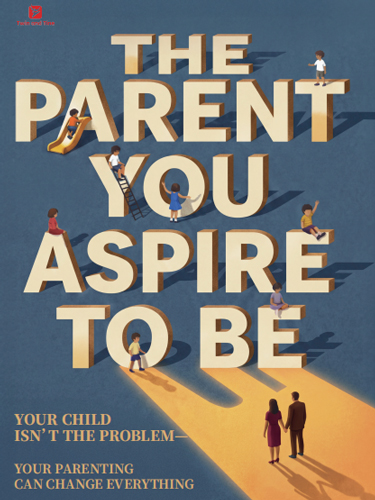
The Parent You Aspire to Be
Miles CarterPractical guidance for tantrums, backtalk, lying, screen addiction, emotional outbursts, and everyday parenting struggles.
Best for parents who want to support their child’s emotional development
Young children often depend on their parents to understand and manage unfamiliar emotions. The way parents respond to fear, frustration, and worry can influence how children learn to handle their own feelings.
The Parent You Aspire to Be by Miles Carter focuses on building a more thoughtful and connected approach to parenting.
The book explores how parents can better understand children’s emotional needs and create an environment where children feel safe expressing themselves.
For parents of preschoolers experiencing anxiety, this perspective can be especially valuable. Instead of simply trying to stop anxious behaviors, parents can learn to understand the emotions behind them.
The book explores areas such as:
- Building emotional connection with children
- Responding calmly to difficult moments
- Understanding children’s needs and behaviors
- Creating a supportive family environment
By focusing on connection and awareness, The Parent You Aspire to Be helps parents develop the kind of relationship that allows children to feel secure while learning to manage emotions.
The Invisible String by Patrice Karst
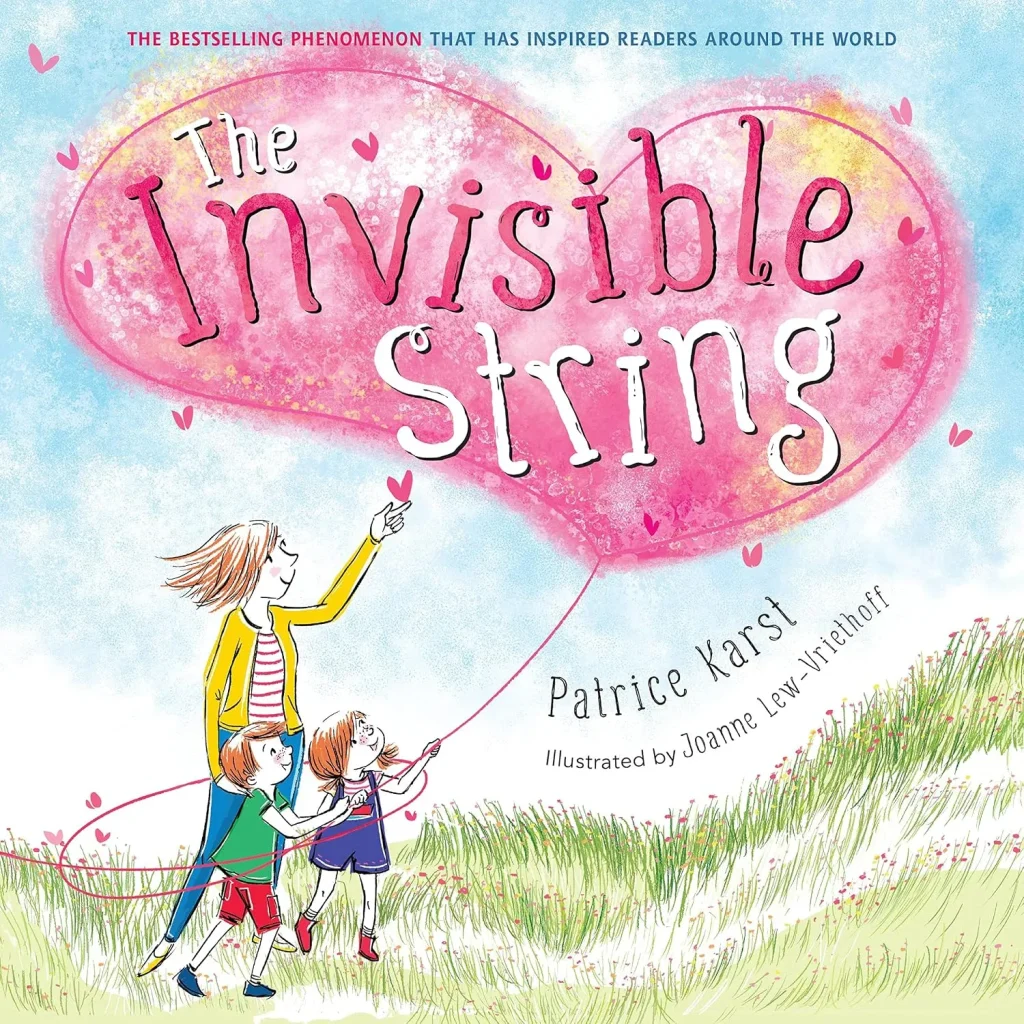
Best for helping children feel secure during separation
Many preschool children experience separation anxiety, especially when starting school or spending time away from caregivers.
The Invisible String uses a simple and comforting idea to help children understand that love and connection remain even when people are physically apart.
The book can be a helpful tool for parents who want to reassure children during transitions and moments of uncertainty.
It encourages conversations about attachment, comfort, and emotional security in a way young children can understand.
What to Do When You Worry Too Much by Dawn Huebner
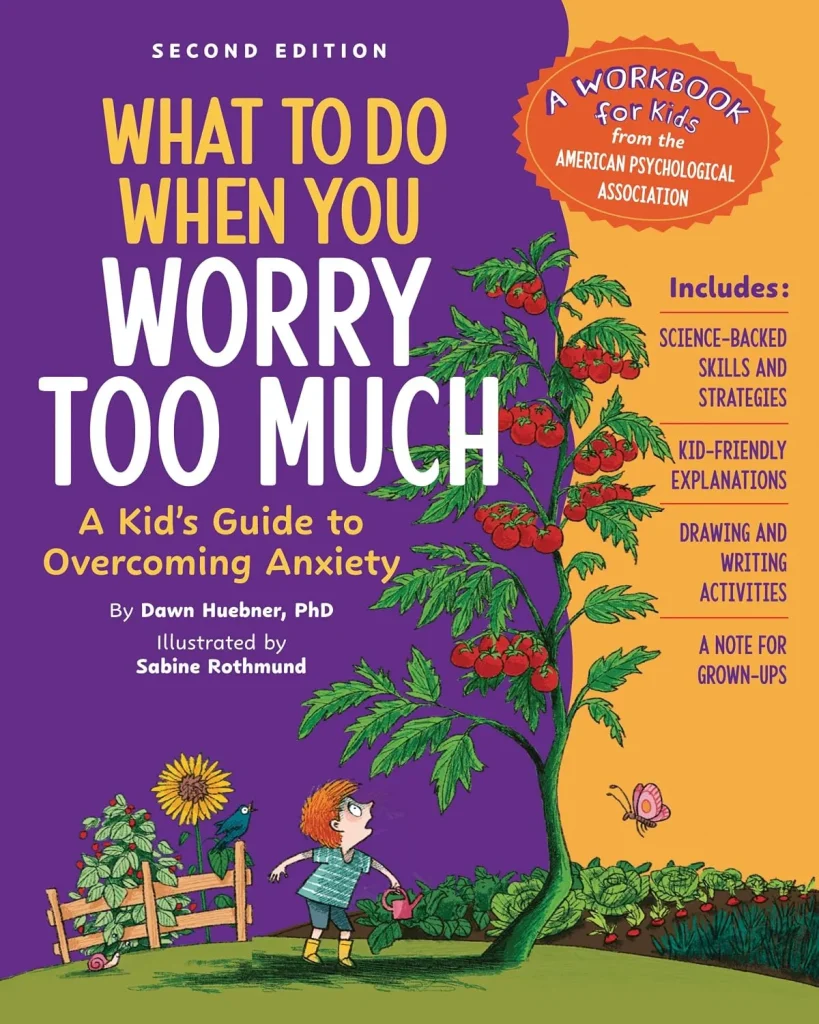
Best for teaching children simple ways to handle worries
Preschool children may not always know how to explain anxious feelings, but they can begin learning basic emotional skills at an early age.
What to Do When You Worry Too Much introduces children to the idea that worries are thoughts that can be understood and managed.
The book uses child-friendly explanations and activities to help young readers recognize anxious thinking and develop healthier responses.
For parents looking for practical tools to discuss anxiety with children, this book provides an accessible starting point.
The Color Monster by Anna Llenas
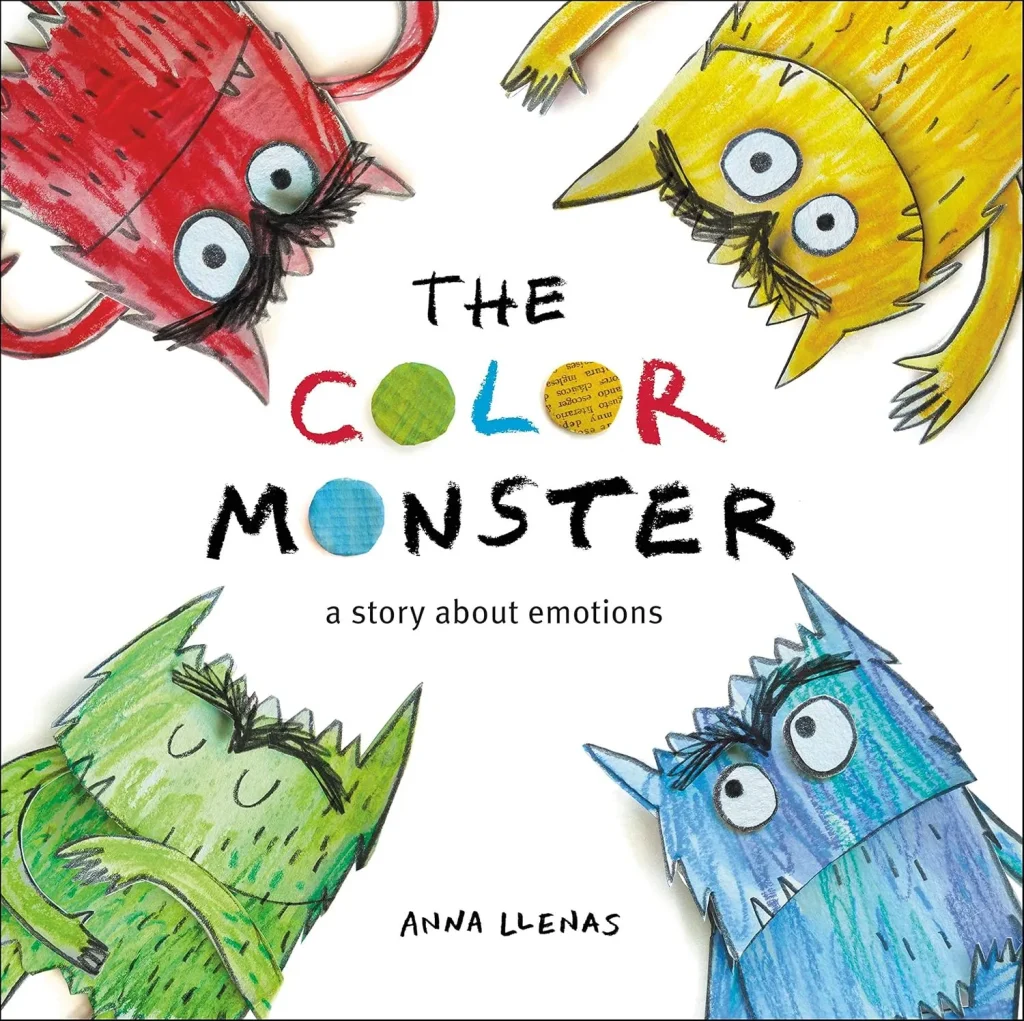
Best for helping children identify emotions
Many young children experience strong emotions without knowing how to describe them.
The Color Monster helps children connect feelings with words by using colors and simple storytelling.
This can be especially useful for preschoolers who feel overwhelmed but do not yet have the language to explain what is happening inside.
Learning to name emotions is an important early step toward emotional regulation.
Why Emotional Support Matters During the Preschool Years
Preschool children are still learning how to understand and manage their feelings.
When children experience anxiety, they often need more than reassurance that “everything is okay.” They need support in recognizing emotions and developing confidence in handling new experiences.
A supportive parenting approach can help children:
- Feel safe expressing worries
- Build emotional vocabulary
- Develop confidence in unfamiliar situations
- Learn healthy ways to respond to stress
The goal is not to remove every fear. Some worries are a normal part of growing up. The goal is to help children learn that difficult feelings can be managed.
How Parents Can Help Preschoolers With Anxiety
Books are a useful tool, but everyday interactions also play an important role in emotional development.
Listen before trying to fix the problem
When children express fear, they often need understanding before solutions. Acknowledging their feelings helps them feel supported.
Create predictable routines
Young children often feel calmer when they know what to expect. Consistent routines can provide a sense of safety.
Encourage small steps
Helping children gradually experience new situations can build confidence without forcing them to move too quickly.
Talk about feelings regularly
Emotional conversations do not need to happen only during difficult moments. Regular discussions about feelings help children become more comfortable expressing themselves.
Helping Children Build Emotional Confidence From an Early Age
Anxiety during childhood does not mean a child is weak or unable to handle challenges. In many cases, children simply need guidance in understanding emotions and developing coping skills.
The early years provide an important opportunity for parents to build emotional foundations that can support children as they grow.
When children feel understood and supported, they are more likely to develop confidence, resilience, and trust in their own abilities.
Building a Stronger Parenting Approach Through Emotional Understanding
Supporting an anxious preschooler requires patience, awareness, and connection.
The Parent You Aspire to Be by Miles Carter offers parents a broader perspective on how their responses, communication style, and daily interactions influence their child’s emotional world.
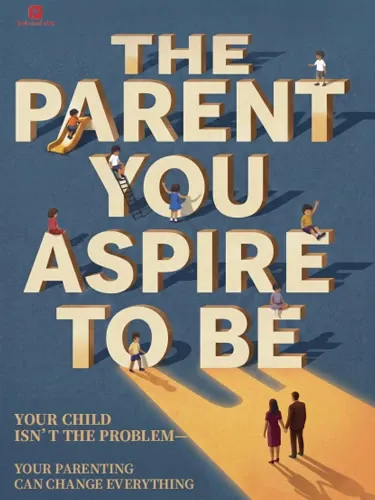
For parents who want to better understand their child’s fears and create a stronger emotional connection, the book provides guidance on becoming a more intentional and supportive parent.
Rather than focusing only on changing children’s behaviors, it encourages parents to look deeper at the relationship behind those behaviors.
Final Thoughts
Helping preschoolers manage anxiety begins with helping them feel understood.
The best books about anxiety for preschoolers can make emotional conversations easier and give both children and parents useful tools for navigating worries and fears.
For parents who want to create a supportive environment where children can develop emotional confidence, The Parent You Aspire to Be by Miles Carter provides valuable insights into building stronger connections and becoming a more thoughtful parent.