Children experience a wide range of emotions every day, but they do not always have the ability to explain what they feel.
A child may cry because something feels overwhelming, become frustrated when things do not go as planned, or suddenly become upset over something that seems small to adults.
For parents, these moments can sometimes be confusing. It is easy to focus only on the behavior — the crying, the anger, or the resistance — without understanding the emotions underneath.
However, children’s behaviors are often a form of communication. Learning to recognize what children are feeling can help parents respond with more empathy and build a stronger relationship.
The right parenting books can help parents better understand emotional development, improve communication, and create a home environment where children feel safe expressing themselves.
Here are five parenting books that can help parents understand their child’s emotions and strengthen their emotional connection.
The Parent You Aspire to Be by Miles Carter
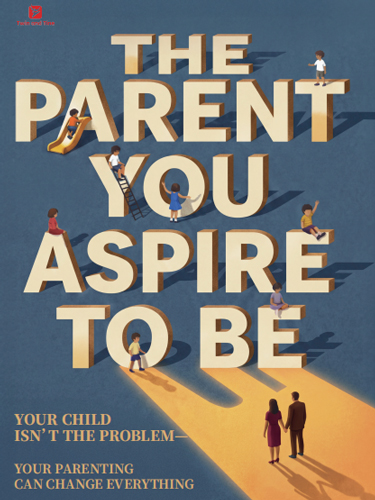
The Parent You Aspire to Be
Miles CarterPractical guidance for tantrums, backtalk, lying, screen addiction, emotional outbursts, and everyday parenting struggles.
Best for parents who want to build deeper emotional connections with their children
Understanding a child’s emotions begins with understanding the relationship between parent and child.
The Parent You Aspire to Be by Miles Carter focuses on helping parents develop a more thoughtful and intentional approach to parenting.
The book explores how parents can become more aware of their own responses, understand children’s emotional needs, and create stronger connections through everyday interactions.
Instead of viewing emotional moments as problems that need to be immediately fixed, the book encourages parents to look deeper and understand what their children may be communicating.
The book explores topics such as:
- Recognizing children’s emotional needs
- Responding with patience and awareness
- Building trust through communication
- Creating a supportive emotional environment
For parents who want to better understand their child’s feelings and strengthen their relationship, The Parent You Aspire to Be provides valuable guidance on becoming a more connected and supportive parent.
The Whole-Brain Child by Daniel J. Siegel and Tina Payne Bryson
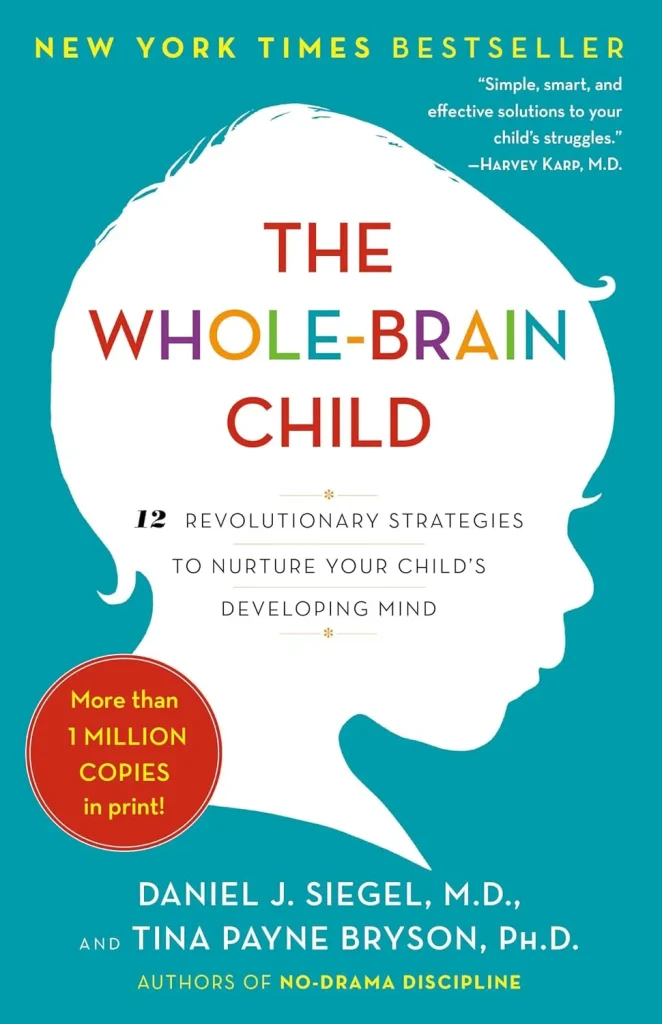
Best for understanding how children process emotions
Children’s emotional reactions are closely connected to how their brains develop.
The Whole-Brain Child helps parents understand why children sometimes struggle with big emotions and how different stages of brain development influence behavior.
The book explains how parents can support children in managing emotions, developing self-awareness, and responding to challenges in healthier ways.
For parents who often wonder why their child reacts so strongly to certain situations, this book offers insights into the connection between emotions and brain development.
How to Talk So Kids Will Listen & Listen So Kids Will Talk by Adele Faber and Elaine Mazlish
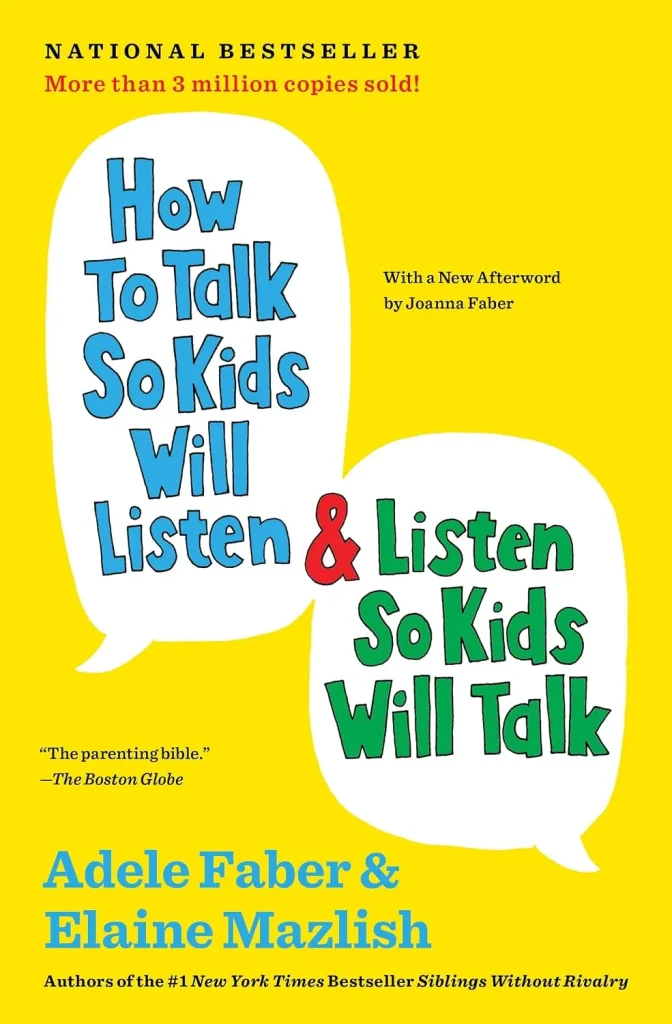
Best for improving emotional communication
Children often need help putting feelings into words.
A child may not say “I feel disappointed” or “I feel overwhelmed.” Instead, those emotions may appear through frustration, silence, or resistance.
How to Talk So Kids Will Listen & Listen So Kids Will Talk focuses on communication strategies that help parents acknowledge feelings while encouraging cooperation.
The book provides practical approaches for:
- Listening to children’s emotions
- Validating feelings
- Reducing conflicts
- Creating more respectful conversations
It is especially useful for parents who want to make their children feel heard and understood.
The Emotional Life of the Toddler by Alicia F. Lieberman
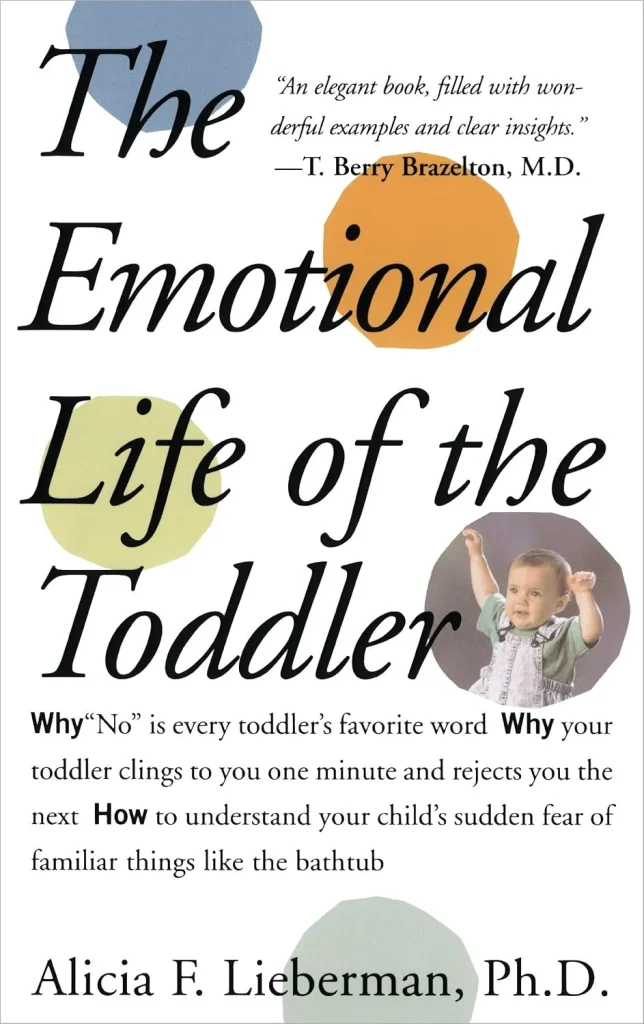
Best for parents who want to understand early childhood emotions
Young children often experience emotions intensely because they are still learning how to regulate feelings.
The Emotional Life of the Toddler explores the emotional world of young children and explains how early experiences shape emotional development.
The book helps parents understand common childhood behaviors and recognize the feelings behind them.
For parents raising toddlers or preschool-aged children, it offers valuable perspectives on emotional growth and attachment.
Raising An Emotionally Intelligent Child by John Gottman
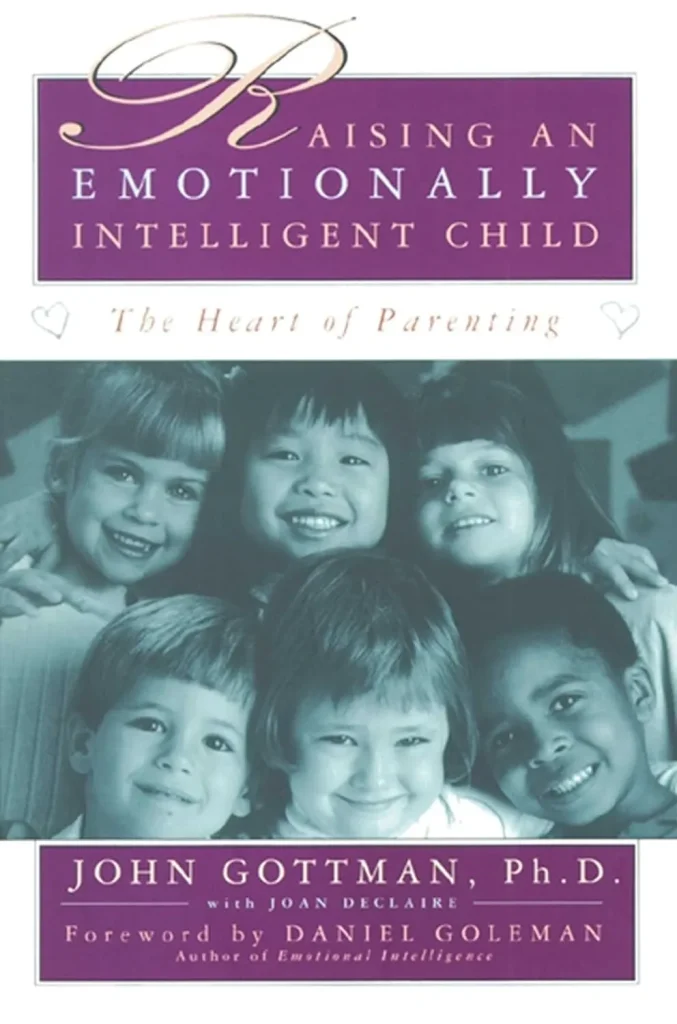
Best for helping children develop emotional skills
Emotional intelligence is an important part of healthy development.
Raising An Emotionally Intelligent Child focuses on helping parents become “emotion coaches” who guide children through feelings instead of dismissing or ignoring them.
The book explores how parents can help children:
- Identify emotions
- Express feelings appropriately
- Handle frustration
- Develop empathy
For parents who want to support their child’s emotional growth, this book provides practical strategies for everyday situations.
Why Understanding Your Child’s Emotions Matters
Children who feel understood often develop stronger emotional security.
When parents recognize and respond to emotions with patience, children learn that their feelings are acceptable and manageable.
Emotional understanding can help children:
- Build confidence in expressing themselves
- Develop better emotional regulation
- Feel closer to their parents
- Learn healthier ways to handle challenges
The goal is not to prevent children from experiencing difficult emotions. Difficult feelings are a natural part of growing up.
The goal is to help children learn that emotions can be understood and managed.
How Parents Can Become Better at Recognizing Emotions
Understanding children’s emotions is a skill that develops over time.
Look beyond the behavior
A child’s actions often communicate something deeper. Instead of only asking “How do I stop this behavior?” parents can ask “What is my child trying to express?”
Create space for feelings
Children need opportunities to talk about emotions without immediately feeling judged or corrected.
Model emotional awareness
Children learn from watching how parents handle frustration, disappointment, and stress.
Spend time connecting
Emotional understanding grows through everyday conversations and shared experiences.
Building a Stronger Relationship Through Emotional Awareness
A close parent-child relationship is not created through one perfect conversation. It develops through repeated moments of understanding and connection.
When parents take time to understand their children’s emotions, they create an environment where children feel valued and supported.
This emotional foundation can influence how children view themselves, relationships, and the world around them.
Growing Into the Parent You Aspire to Be
Every parent wants to provide love and support, but knowing how to respond during emotional moments can be challenging.
The Parent You Aspire to Be by Miles Carter helps parents reflect on their communication style, emotional responses, and the relationship they are building with their children.
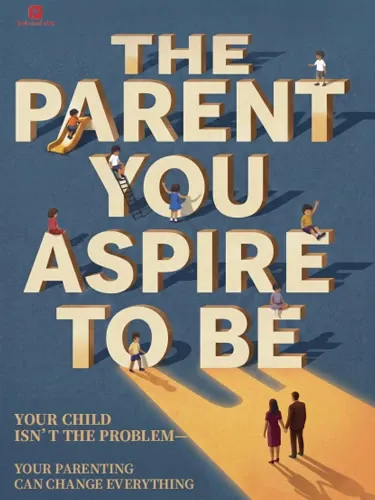
For parents who want to better understand their child’s emotions and create a stronger connection, the book offers thoughtful guidance on becoming a more aware and supportive parent.
It reminds parents that emotional connection is not about having perfect responses every time. It is about creating a relationship where children feel safe, understood, and valued.
Final Thoughts
Understanding your child’s emotions is one of the most important parts of building a strong parent-child relationship.
The best parenting books can help parents develop greater awareness, improve communication, and support children’s emotional growth.
For parents who want to better understand what their children feel and strengthen their family connection, The Parent You Aspire to Be by Miles Carter offers valuable insights into creating a more thoughtful and emotionally supportive parenting approach.