Many parents spend a lot of time thinking about whether they are doing enough for their children.
They wonder if they are making the right choices, responding in the right way, or providing the kind of support their child truly needs.
However, being a good parent is not about being perfect. Every parent experiences moments of frustration, uncertainty, and mistakes. What matters most is the willingness to learn, reflect, and continue building a healthier relationship with your child.
Positive parenting is not measured by having a problem-free family. It is reflected in the small everyday choices parents make — how they communicate, how they respond to emotions, and how they support their child’s growth.
If you recognize these signs in your parenting journey, you may already be becoming the parent you aspire to be.
Most articles are read once and forgotten.
Some ideas are worth coming back to.
You Try to Understand Your Child Before Correcting Them
One of the clearest signs of positive parenting is the ability to look beyond behavior and understand the emotions behind it.
Children often express their feelings through actions because they do not always have the words to explain what they are experiencing.
A child who refuses to cooperate may be feeling overwhelmed. A child who becomes upset quickly may be struggling with emotions they do not yet know how to manage.
Instead of immediately focusing only on stopping the behavior, positive parenting encourages parents to ask:
- What is my child trying to communicate?
- What emotion might be behind this reaction?
- How can I guide my child while helping them feel understood?
Understanding does not mean allowing every behavior. It means recognizing the child’s feelings while still providing appropriate guidance.
You Pay Attention to Your Own Emotions
Parenting is not only about understanding children. It also involves understanding yourself.
Children’s behaviors can sometimes trigger strong emotional reactions in parents. Stress, tiredness, or personal experiences may influence how parents respond in difficult moments.
A parent who is becoming more intentional begins noticing these patterns.
Instead of reacting immediately, they may pause and think:
“Why is this situation affecting me so strongly?”
“What response would help my child learn from this moment?”
This self-awareness is an important part of positive parenting because children often learn emotional skills by observing how adults handle challenges.
Your Child Feels Safe Sharing Feelings With You
A strong parent-child relationship is built on emotional safety.
Children who feel safe expressing themselves are more likely to share their thoughts, worries, and experiences with their parents.
Positive parenting creates an environment where children know they can talk about:
- Mistakes they have made
- Things that upset them
- Feelings they do not understand
- Questions they are curious about
This does not mean parents always agree with their children. It means children feel respected and heard.
Over time, this emotional trust can become one of the strongest foundations of the parent-child relationship.
You Focus on Teaching Instead of Punishing
Discipline is an important part of parenting, but the purpose of discipline matters.
Positive parenting focuses on helping children understand their actions and learn from experiences.
Instead of asking:
“How do I stop this behavior immediately?”
A thoughtful parent may ask:
“What skill does my child need to learn from this situation?”
This approach helps children gradually develop:
- Responsibility
- Emotional regulation
- Problem-solving skills
- Understanding of boundaries
The goal is not simply obedience. The goal is helping children grow into capable and confident individuals.
You Allow Your Child to Be an Individual
Every child has a unique personality, temperament, and way of seeing the world.
A positive parenting approach recognizes that children do not need to become copies of their parents.
Instead, parents support children as they discover:
- Their interests
- Their strengths
- Their preferences
- Their personal identity
Encouraging individuality helps children develop confidence and a stronger sense of self.
Good parenting is not about creating the child you imagined. It is about supporting the child you have.
You Know That Repair Matters More Than Perfection
No parent responds perfectly all the time.
There may be moments when you lose patience, misunderstand your child, or wish you had handled a situation differently.
One sign of healthy parenting is understanding that mistakes can be repaired.
A sincere apology, a calm conversation, or an attempt to reconnect teaches children valuable lessons about relationships.
Children do not need parents who never make mistakes. They need parents who show that relationships can recover and grow.
You Make Time for Connection, Not Just Responsibility
Parenting includes many responsibilities, but connection is what strengthens the relationship.
Positive parenting involves creating moments where children feel valued beyond rules, schedules, and expectations.
This can happen through:
- Listening to your child’s stories
- Spending quality time together
- Sharing everyday conversations
- Showing affection and encouragement
Small moments of connection often have a lasting impact on how children view themselves and their relationship with their parents.
Why Positive Parenting Starts With Personal Growth
Many parents focus on changing their children’s behavior, but meaningful parenting growth often begins with the parent.
The way parents communicate, manage emotions, and respond to challenges shapes the emotional environment children experience.
Becoming a better parent involves learning:
- How your reactions affect your child
- How your communication influences connection
- How your own experiences shape your parenting style
Parenting is a journey where both children and parents continue to grow.
How The Parent You Aspire to Be by Miles Carter Helps Parents Build Stronger Connections
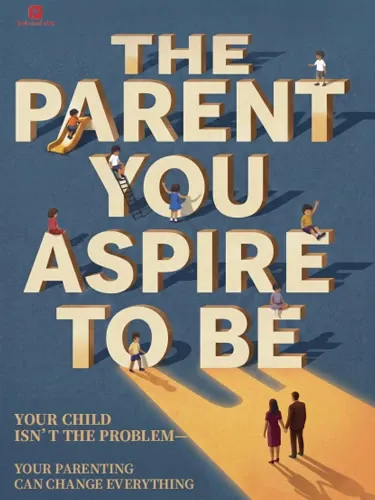
Becoming the parent you want to be requires more than learning parenting techniques. It requires understanding the relationship between your mindset, emotions, and daily interactions.
The Parent You Aspire to Be by Miles Carter explores how parents can develop a more thoughtful and intentional approach to raising children.
The book focuses on the importance of emotional connection, communication, and self-awareness in parenting. It encourages parents to look beyond immediate behaviors and understand the deeper needs behind them.
For parents who want to improve their relationship with their children and create a more supportive family environment, the book offers practical perspectives on becoming more patient, understanding, and present.
Rather than promoting the idea of perfect parenting, The Parent You Aspire to Be reminds readers that meaningful change comes from awareness, effort, and consistent connection.
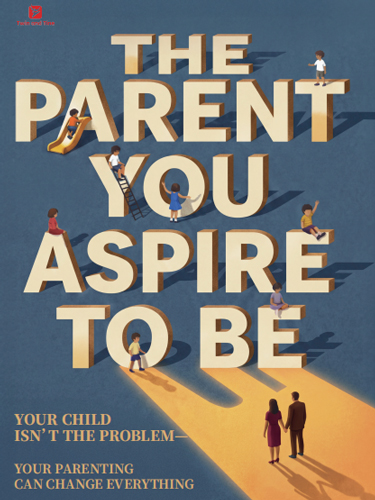
The Parent You Aspire to Be
Miles CarterPractical guidance for tantrums, backtalk, lying, screen addiction, emotional outbursts, and everyday parenting struggles.
Final Thoughts
The signs of positive parenting are often found in everyday moments.
Listening with patience, recognizing emotions, repairing mistakes, and creating a safe environment for your child are all important parts of building a strong relationship.
Being a good parent is not about never struggling. It is about continuing to learn and choosing to grow alongside your child.
For parents who want to deepen their connection and develop a more intentional parenting approach, The Parent You Aspire to Be by Miles Carter offers valuable insights into becoming the parent their child needs.