Parenting advice has changed significantly over the years.
Many parents today are exploring different approaches to raising children, especially when it comes to discipline, communication, and emotional connection. While traditional parenting methods have influenced generations of families, gentle parenting has become increasingly popular among parents who want to build stronger emotional bonds with their children.
The difference between these approaches is not simply about being strict or relaxed. It reflects different views on how children learn, how parents should respond to behavior, and what helps children develop confidence and emotional skills.
Understanding the differences between gentle parenting books and traditional parenting books can help parents decide which ideas best fit their family values and their child’s needs.
Most articles are read once and forgotten.
Some ideas are worth coming back to.
What Is Gentle Parenting?
Gentle parenting focuses on connection, understanding, and respectful communication.
This approach views children’s behaviors as a form of communication. Instead of asking only, “How do I stop this behavior?” gentle parenting encourages parents to consider, “What is my child trying to express?”
Gentle parenting books often focus on:
- Understanding children’s emotions
- Responding with empathy
- Building trust through communication
- Using guidance instead of punishment
- Supporting emotional development
The goal is not to remove boundaries. Instead, gentle parenting emphasizes setting limits while recognizing a child’s feelings and developmental stage.
For example, when a child has an emotional outburst, a gentle parenting approach may focus on helping the child understand and regulate emotions while maintaining a calm connection.
What Is Traditional Parenting?
Traditional parenting approaches often emphasize structure, authority, and clear expectations.
Many traditional parenting books focus on:
- Establishing rules and routines
- Teaching responsibility
- Respecting parental authority
- Correcting unwanted behaviors
- Preparing children for independence
This approach often views discipline as an important part of teaching children acceptable behaviors and social expectations.
Traditional parenting does not necessarily mean harsh parenting. Many parents who follow traditional approaches also prioritize love, support, and strong family relationships.
The main difference is often how parents respond when children make mistakes or challenge boundaries.
Key Differences Between Gentle Parenting and Traditional Parenting
Discipline Approach
One of the biggest differences between the two approaches is discipline.
Traditional parenting often emphasizes consequences and correction. Parents may focus on helping children understand that certain behaviors lead to specific outcomes.
Gentle parenting focuses more on teaching emotional awareness and helping children understand why certain behaviors are not appropriate.
The goal is less about punishment and more about helping children develop self-control.
Understanding Behavior
Traditional parenting may focus on changing behaviors directly.
For example, if a child refuses to cooperate, parents may focus on creating consequences or reinforcing expectations.
Gentle parenting often looks deeper into the reason behind the behavior.
A child’s resistance may be connected to tiredness, frustration, fear, or difficulty managing emotions.
Understanding the reason behind behavior can help parents respond more effectively.
Parent-Child Communication
Communication is another major difference.
Traditional approaches may place more emphasis on children listening to parents because parents have more experience and responsibility.
Gentle parenting emphasizes two-way communication, where children’s feelings are acknowledged while parents continue providing guidance.
The goal is to create a relationship where children feel respected and parents remain responsible for setting healthy boundaries.
Benefits of Gentle Parenting Books
Gentle parenting books can be helpful for parents who want to improve emotional connection with their children.
Some potential benefits include:
Stronger emotional awareness
Parents learn to recognize emotions behind behaviors instead of reacting only to actions.
Better communication
Children may become more comfortable expressing feelings when they feel heard.
Improved parent-child connection
A focus on empathy and understanding can help strengthen trust.
However, gentle parenting still requires consistency. Respectful parenting does not mean allowing children to control every situation.
Benefits of Traditional Parenting Books
Traditional parenting books can also provide valuable guidance.
Some benefits include:
Clear structure
Children often benefit from predictable routines and expectations.
Understanding boundaries
Clear limits can help children learn responsibility and social skills.
Confidence in decision-making
Parents may feel more prepared when they have clear strategies for handling challenges.
A structured parenting approach can provide stability when combined with emotional support.
Finding a Balanced Parenting Approach
Many parents discover that they do not need to choose only one approach.
Modern parenting often combines ideas from different methods.
For example, parents may:
- Set clear boundaries while acknowledging emotions
- Encourage independence while offering support
- Correct behaviors while maintaining connection
- Teach responsibility while showing empathy
The most effective parenting approach is often the one that considers both the child’s emotional needs and the importance of guidance.
How The Parent You Aspire to Be Fits Into Modern Parenting
While gentle parenting and traditional parenting represent different approaches, many parents are looking for a middle ground: a way to provide guidance while maintaining emotional connection.
The Parent You Aspire to Be by Miles Carter focuses on the relationship between understanding and parenting.
The book explores how parents can become more aware of their own responses, better understand their children’s emotions, and create a family environment based on trust and respect.
Rather than focusing only on controlling behavior, it encourages parents to look deeper into what children need emotionally and how everyday interactions shape long-term relationships.
For parents who want to become more thoughtful, patient, and connected, The Parent You Aspire to Be provides insights into building a healthier parenting approach.
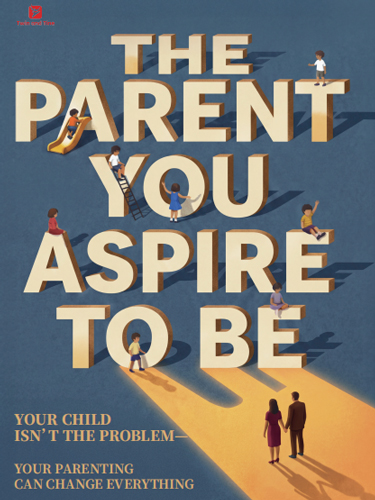
The Parent You Aspire to Be
Miles CarterPractical guidance for tantrums, backtalk, lying, screen addiction, emotional outbursts, and everyday parenting struggles.
Choosing the Parenting Philosophy That Works for You
There is no single parenting method that works perfectly for every family.
Children have different personalities, needs, and experiences. Parents also have different values and circumstances.
The most important question is not whether gentle parenting or traditional parenting is better. It is whether your approach helps your child feel supported while learning important life skills.
The best parenting books are those that help parents better understand themselves, their children, and the relationship they want to build.
By combining emotional connection with thoughtful guidance, parents can create an environment where children feel both loved and prepared for the world ahead.