You have probably sensed it. Someone close to you made a promise they did not keep. A colleague took credit for your work. A friend disappeared when you needed them most. Each time, you told yourself it was an exception—that person is usually good, this was just a bad moment.
But what if the exception is closer to the rule than you want to admit?
Here is one of the hardest truths about human nature: most people are not as honest with themselves as they appear to be. And because they believe their own versions of events, they can hurt you without ever feeling like the bad guy.
Awakening to Human Nature by Owen Pierce
Pierce argues that self-deception is the most common and most dangerous force in human behavior. People twist facts to protect their self-image. They rewrite memories to make themselves look better. They genuinely believe their own excuses—and because they believe them, they can betray trust, break promises, and take advantage of others without feeling guilty about it.
This is not about evil people. It is about ordinary people who cannot face their own flaws. The colleague who undermines you does not see it as undermining—they see it as being strategic. The friend who always takes more than they give does not see it as imbalance—they see it as being supported.
Once you understand this, your relationships change. You stop expecting people to be more self-aware than they actually are. You stop taking their behavior as a reflection of your worth. You start seeing their actions as a reflection of their own internal struggles. That shift does not make you cynical. It makes you clear.
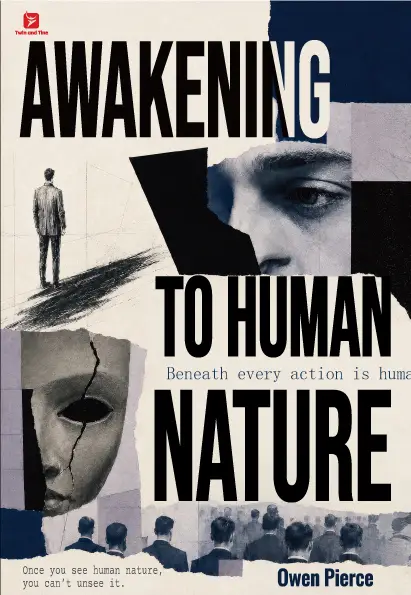
Awakening to Human Nature
Owen PierceA practical guide for understanding hidden motives, social patterns, emotional pressure, and manipulation—so you can read situations more clearly and protect your boundaries with confidence.
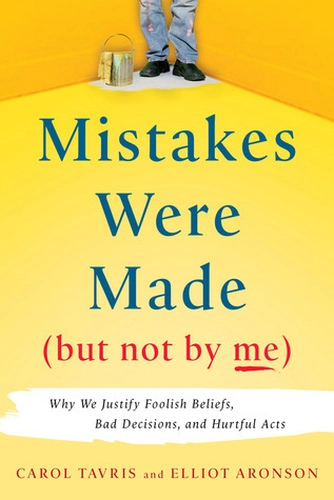
Mistakes Were Made (But Not by Me) by Carol Tavris and Elliot Aronson
This book is a deep dive into the psychology of self-justification. The authors show how the brain actively rewrites memories to protect self-esteem. It explains why people double down on bad decisions, why they blame others rather than themselves, and why they often become more convinced of their rightness when presented with contrary evidence. The book is full of examples from everyday life, politics, and the legal system.
If you want the science behind self-deception, read this.
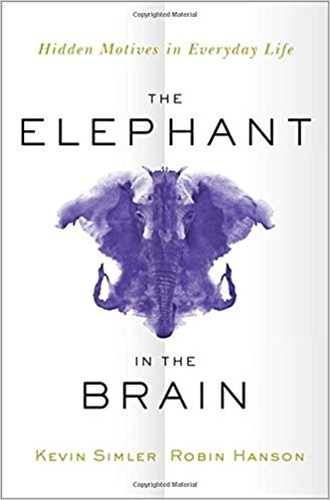
The Elephant in the Brain by Kevin Simler and Robin Hanson
This book reveals the hidden motives behind behaviors we like to think are noble. We donate to charity partly to look good. We work hard partly to signal status. The authors argue that self-deception exists largely because it helps us deceive others more effectively. It is an uncomfortable read, but it explains a great deal about why people say one thing and do another.
If you want to understand the hidden selfishness behind seemingly selfless acts, read this.
Where to start
Tavris and Aronson give you the psychology. Simler and Hanson give you the hidden motives. Both are valuable.
But Pierce gives you something neither does: a practical framework for recognizing self-deception in real time—in others and in yourself. He does not just explain why people lie to themselves. He shows you how to see it happening and how to respond when it affects your relationships.
Read the others if you want. They are useful. But start with Pierce—because understanding why people hurt you is one thing. Learning to see it before it happens is another.
Three books on human nature. One gives you the framework. One gives you the science. One gives you the hidden motives. Start with the one that shows you how to see it in real life.
Frequently Asked Questions
Does this make me more cynical?
The opposite. It makes you more realistic. Cynicism assumes the worst. Understanding self-deception helps you see people as they actually are—not as villains, but as humans who are often unaware of their own inconsistencies.
How do I know if I am doing this to myself?
That is the hard part. Self-deception works by hiding from you. The first step is paying attention to moments when you feel defensive, blame others too quickly, or find yourself explaining away something you did. Those are often signs that your self-image is being protected.