Why does the avoidant destroy the one relationship that was actually good for them?
Not the toxic ones. Not the chaotic ones. The calm, stable, loving one. The one where someone finally treated them right.
If you have ever watched an avoidant walk away from something healthy for no reason that made sense, this is the answer you have been missing.
Key Takeaways (At a Glance)
- The avoidant doesn’t run from bad relationships — they run from the good ones. Safety is the one thing they were never taught to trust.
- It always starts beautifully. They meet someone patient, warm, and steady. And for a while, it feels incredible.
- But when the relationship becomes truly secure, they start to feel uneasy. Not because something is wrong, but because nothing is.
- They’re not running from the person — they’re running from how exposed that person’s love makes them feel.
It Always Starts Beautifully
The avoidant meets someone patient, someone warm, someone who does not play games, does not punish them for needing space, and offers a kind of steady love they have never known. And for a while, it feels incredible. Safe, real. Like maybe this time it could actually work.
But then something strange happens. The moment the relationship becomes truly secure, the avoidant starts to feel uneasy. Not because anything is wrong, but because nothing is.
And that is exactly the problem.
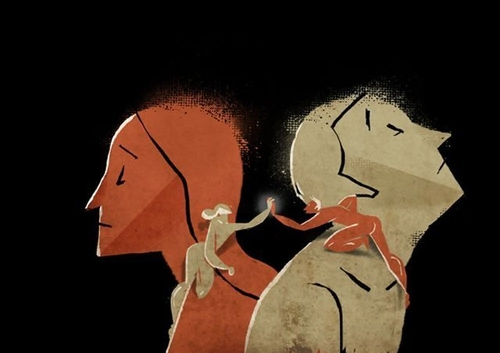
For an Avoidant, Safety Feels Suspicious
For most people, safety feels like home. For an avoidant, safety feels suspicious.
Because they grew up in an environment where love was inconsistent or conditional or tangled up with pain. So their nervous system learned to associate closeness with danger. As an adult, when a relationship becomes calm and secure, it does not match the blueprint their childhood gave them. It feels unfamiliar. And to an avoidant, unfamiliar feels unsafe.
So they do the unthinkable. They start to sabotage the very thing they always wanted.
They pick fights over nothing. They create distance where there was none. They convince themselves the person is boring, or that something is missing, or that they are just not ready. They manufacture problems because on some level, chaos feels more familiar than peace. And peace, to a nervous system built on survival, feels like the calm right before something breaks.
The Tragedy Underneath
The avoidant is not running from the person. They are running from how exposed that person’s love makes them feel. Real, consistent love does something terrifying to an avoidant. It gets past their walls. And once someone is close enough to truly see them, the old childhood fear roars back to life: “If they see all of me, they will leave, just like I always believed they would.”
So the avoidant leaves first. Not because the love was too little, but because it was finally real enough to matter. And that terrified them more than any bad relationship ever could.
To the Person on the Other Side
The person on the other side is left devastated and confused. They did everything right. They were patient, kind, consistent. And they still lost. So they blame themselves. They wonder what they did wrong. But the painful truth is, they did nothing wrong. They were simply the first safe love an avoidant ever encountered. And safety was the one thing that avoidant was never taught how to hold.
If you loved an avoidant and lost them, understand this. Their leaving was never a verdict on your worth. It was a confession of their fear. You cannot love someone out of a wound they refuse to face. And you were never meant to shrink your love down until it felt safe enough for someone terrified of receiving it.
To the Avoidant Hearing This
The discomfort you feel in a healthy relationship is not a sign it is wrong. It is a sign it is unfamiliar. It is your nervous system mistaking peace for danger. The bravest thing you will ever do is stay through that discomfort long enough to teach yourself a new truth: that love does not always leave. That closeness does not always cost you yourself. That safety is not a trap — it is the thing you were always looking for, hiding behind the fear that told you to run.
The cycle only ends when the avoidant stops confusing familiarity with love and finally lets themselves be held by the very thing they spent a lifetime running from.
The One Book That Can Help You Understand
If you’re in a relationship with an avoidant, or you’re an avoidant yourself, How to Read Someone’s Mind by Miles Carter can help you understand the hidden patterns behind behavior. It teaches you how to read people more effectively — their fears, their walls, their unspoken needs — so you can respond with clarity instead of confusion.
You don’t have to keep guessing. You don’t have to keep wondering why they pull away. Understanding the pattern is the first step to breaking it.
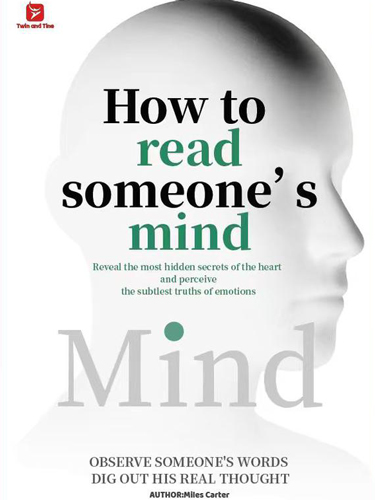
How to Read Someone’s Mind
Miles CarterPractical tools for reading body language, tone, and hidden intentions in real time. Spot what people aren’t saying — before you trust the wrong person.
FAQ
Q: Why does the avoidant destroy the one relationship that was good for them?
A: Because safety feels unfamiliar to them. They grew up in environments where love was inconsistent or conditional. When a relationship becomes calm and secure, it doesn’t match their childhood blueprint, so they feel uneasy and start to push away.
Q: Does an avoidant regret leaving a good relationship?
A: Often, yes. But the regret usually comes later — after they’ve had time to process what they lost. In the moment, their fear is stronger than their longing for connection.
Q: Are they running from the person or from something else?
A: They are not running from the person. They are running from how exposed that person’s love makes them feel. Real love gets past their walls — and that terrifies them.
Q: Can an avoidant ever stay in a healthy relationship?
A: Yes. But it takes awareness, willingness, and often professional support. The avoidant has to recognize the pattern and choose to stay through the discomfort of safety.
Q: Is it my fault if an avoidant left me?
A: No. Their leaving was never a verdict on your worth. It was a confession of their fear. You did nothing wrong — you were simply the first safe love they ever encountered.
