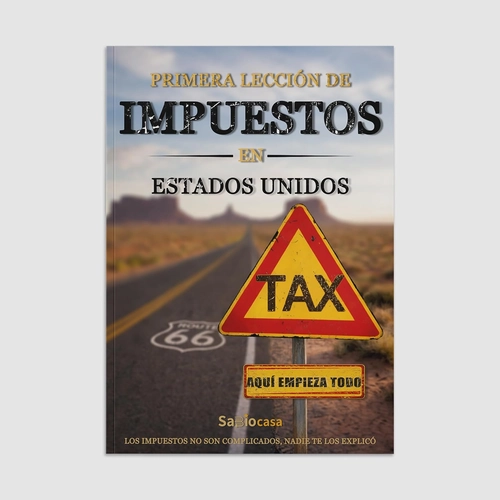
I met this book on a Tuesday night, sprawled on my kitchen floor with a pile of 1099 forms and a headache that pulsed behind my left eye. I did not want to read about taxes. I wanted someone to tell me I was doing fine. Sabiocasa’s Primera leccion de impuestose en Estados Unidos did something better. It told me exactly where I could mess up, and how to avoid it.
The book’s central argument is simple and stubborn: most tax disasters begin with misinformation, not malice. Mixing personal and business accounts. Claiming a dependent without the right paperwork. Trusting a preparer who promises a huge refund without showing the math. Sabiocasa walks through these scenarios with the patience of a neighbor who has been through it all. The thesis question that drives the whole review is this: can a tax guide actually change how a family sleeps at night?
The Protagonist Is You, the Working Parent
The protagonist here is not a single character. It is the reader—the working immigrant parent juggling W-2 wages, a side cleaning gig, and a cousin who needs help with rent. The book speaks directly to that person. It explains ITIN filing without condescension. It distinguishes W-2 and 1099 income like a friend drawing diagrams on a napkin. The core conflict is fear versus clarity. Will you file wrong and trigger an audit? Will you miss a credit that could feed your kids for a month? Sabiocasa does not reveal the ending, because there is no single ending. There is only a process of learning to trust yourself with numbers.
What struck me most was the book’s refusal to entertain shortcuts. No “big refund” tricks. No aggressive deductions. Just steady, boring, protective compliance.
The Paper Trail That Becomes Armor
The core theme is protection, not optimization. The imagery that anchors the whole book is the record—the paper trail of receipts, logs, and bank statements that either shields you or exposes you. Sabiocasa’s craft lies in making that paper trail feel like armor rather than homework.
I thought about my own father, who once paid a preparer two hundred dollars to file a return that missed two credits worth four times that amount. He did not know what to ask. This book gives you the questions. It teaches you to review the numbers before signing. That single lesson, applied across a lifetime, is worth more than any refund.
The book’s weakness is structural. It is dense in places, and the Spanish edition feels tailored to a very specific audience, which is also its strength. It is not for wealthy investors or corporate accountants. It is for the woman cleaning offices at night who needs to know if her cash income counts—and yes, it does, and here is how to report it honestly. It is for the couple filing jointly for the first time with an ITIN and a Social Security number sitting side by side at the kitchen table.
What the Book Gives You
I did not want to read this book. I wanted to read a novel. But after finishing it, I opened my own records folder and found three small mistakes that could have cost me later. The book does not give you excitement. It gives you something quieter: the ability to read an IRS letter without your stomach dropping.
This book will not make you rich. It will make you slightly less afraid in moments when the mail brings an official envelope. That is a real gift.
Financial peace does not come from ignoring taxes. It comes from understanding them.

