Worry is one of the most common experiences connected with anxiety.
A person may worry about future events, replay past mistakes, or spend hours thinking about situations they cannot control. While some level of concern can help people prepare, constant worry can become mentally exhausting and affect confidence, relationships, and daily life.
Learning to manage anxiety is not about eliminating every uncomfortable thought. It is about understanding why worry appears and developing healthier ways to respond.
The right anxiety books can help readers recognize emotional patterns, understand the mind’s reactions, and build stronger coping skills.
The following books explore different approaches to managing anxiety and developing greater emotional resilience.
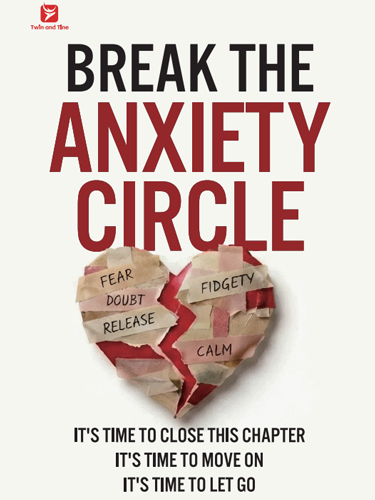
Break the Anxiety Circle by Miles Carter
Break the Anxiety Circle
Miles CarterA mental reset for people trapped in the overthinking loop. Understand why your mind won’t stop racing — and how to break free from anxiety, people-pleasing, and emotional exhaustion.
Best for breaking repetitive anxiety and worry patterns
Anxiety often becomes difficult because it creates a cycle of repeated thoughts.
A small concern can quickly become a chain of questions, fears, and imagined outcomes. The more attention people give these thoughts, the stronger the cycle can become.
Break the Anxiety Circle by Miles Carter focuses on helping readers understand this process and identify the patterns that keep anxiety active.
The book explores:
- Why anxious thoughts repeat
- How worry creates emotional exhaustion
- The connection between thoughts and reactions
- How to develop healthier mental habits
Rather than simply providing temporary relief, the book focuses on understanding the underlying patterns behind anxiety.
For readers who feel trapped in overthinking and constant worry, Break the Anxiety Circle offers practical guidance for creating more calm and control.
How to Stop Worrying and Start Living by Dale Carnegie
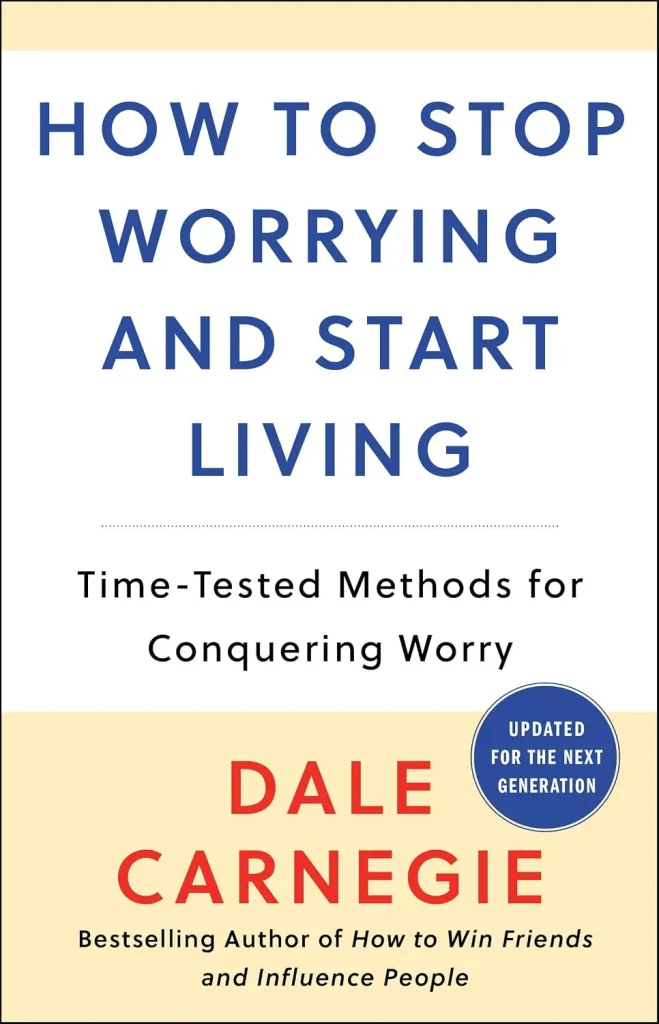
Best for learning practical approaches to everyday worry
Many people spend significant time worrying about problems before they happen.
How to Stop Worrying and Start Living explores ways to approach concerns more practically and focus energy on actions that can actually create change.
The book discusses strategies for dealing with uncertainty, reducing unnecessary mental stress, and developing a more balanced perspective.
For readers who want practical advice for handling everyday worries, this classic book provides timeless ideas.
The Anxiety and Phobia Workbook by Edmund J. Bourne
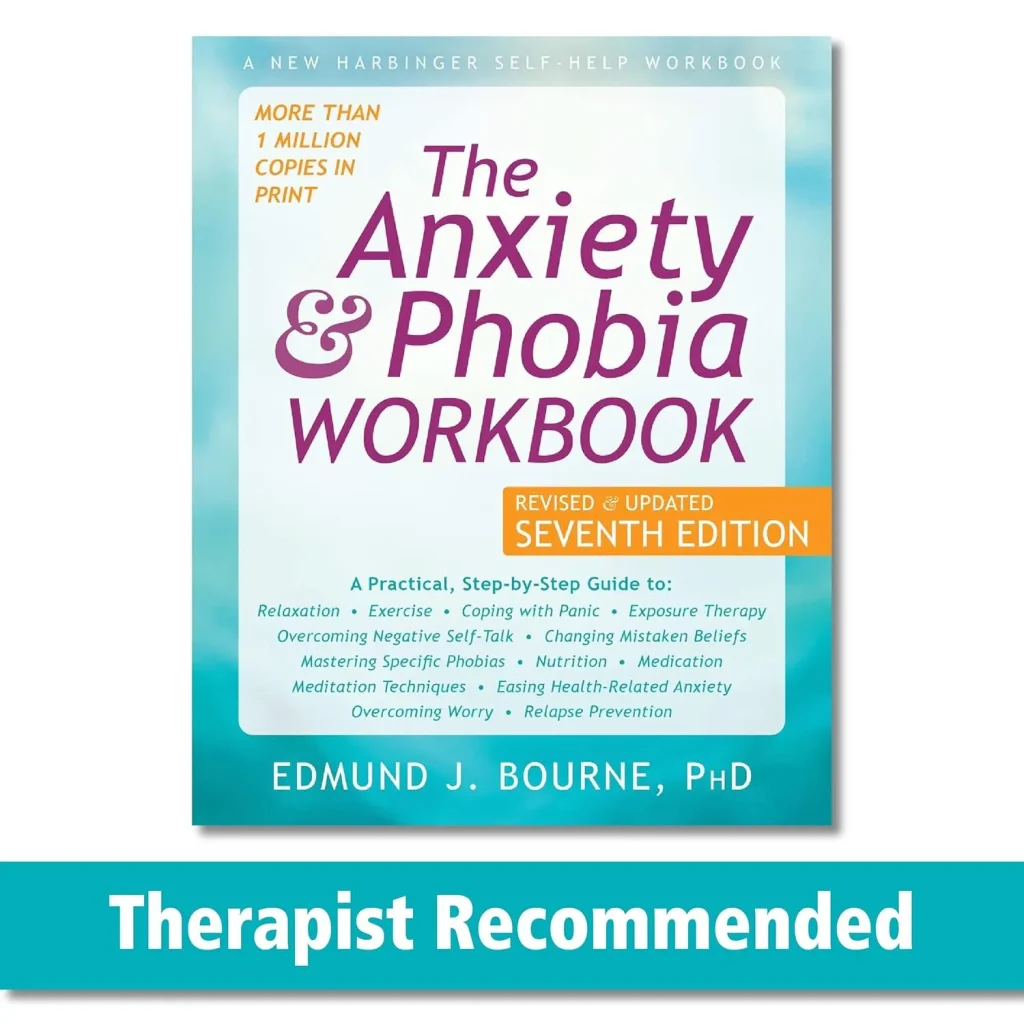
Best for readers who prefer structured anxiety exercises
Understanding anxiety is important, but many people also want practical tools they can use in daily life.
The Anxiety and Phobia Workbook provides exercises and strategies designed to help readers manage anxiety-related challenges.
The book explores topics such as relaxation techniques, emotional awareness, and changing unhelpful thinking patterns.
For readers who prefer a step-by-step approach, this workbook offers practical methods for building coping skills.
Emotional Intelligence by Daniel Goleman
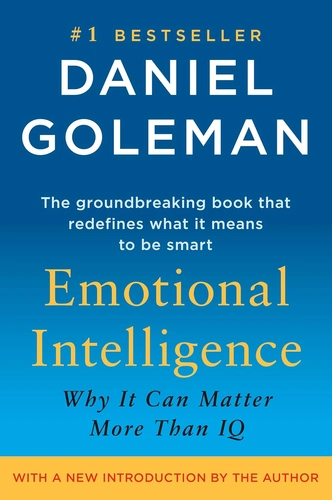
Best for improving emotional awareness
Emotional understanding plays an important role in managing anxiety.
Emotional Intelligence explores how recognizing and managing emotions can influence relationships, decision-making, and personal growth.
The book explains why emotional skills matter and how greater self-awareness can improve the way people respond to challenges.
For readers who want to understand the connection between emotions and behavior, this book provides valuable insights.
The Body Keeps the Score by Bessel van der Kolk
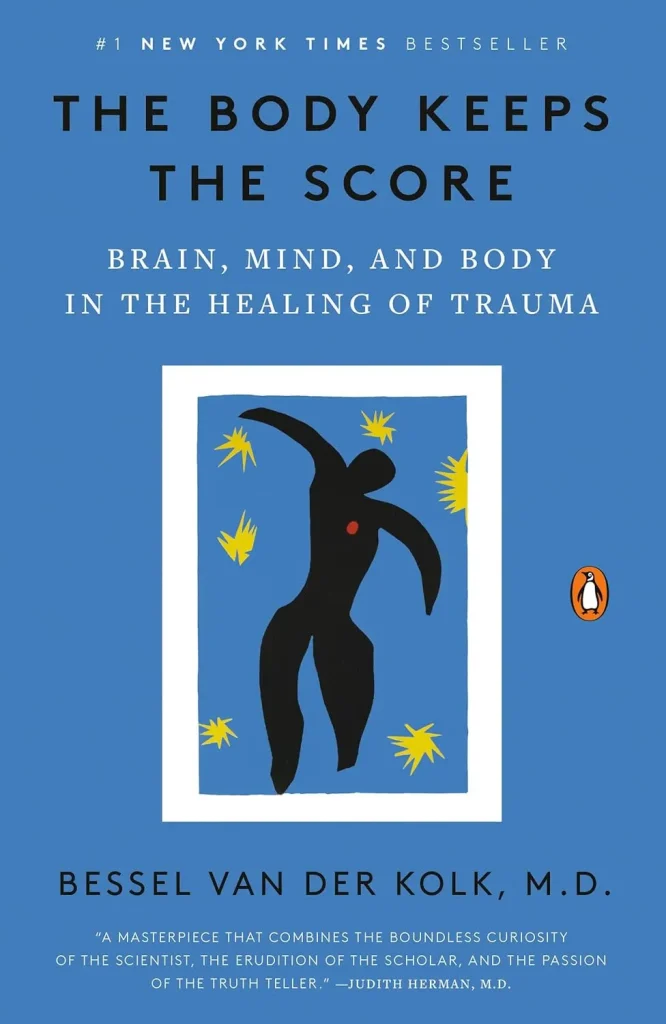
Best for understanding the connection between stress and the body
Anxiety is not only experienced through thoughts. It can also affect the body.
The Body Keeps the Score explores how difficult experiences and stress can influence the brain, emotions, and physical responses.
The book provides insights into the relationship between emotional experiences and the body’s reactions.
For readers interested in understanding stress from a deeper psychological and biological perspective, this book offers valuable information.
Why Understanding Anxiety Is the First Step Toward Change
Many people try to fight anxiety without understanding what creates it.
However, awareness can make anxiety feel less overwhelming.
When readers understand their patterns, they can begin to:
- Recognize triggers
- Question unhelpful thoughts
- Respond more calmly
- Build healthier emotional habits
Knowledge creates the foundation for meaningful change.
Developing Emotional Strength Takes Practice
Emotional strength does not mean never feeling worried or stressed.
It means learning how to experience difficult emotions without allowing them to completely control your decisions.
With the right knowledge and practice, people can develop greater confidence in handling uncertainty.
Why Break the Anxiety Circle Is a Valuable Addition to Your Reading List
Many anxiety books focus on specific techniques, symptoms, or emotional experiences.
Break the Anxiety Circle by Miles Carter focuses on the repeating mental patterns that allow anxiety to continue.
By helping readers understand how anxiety cycles form and why worry becomes difficult to stop, the book provides a practical framework for developing a calmer mindset.
For anyone looking to reduce overthinking, understand their anxious thoughts, and build emotional strength, Break the Anxiety Circle is a valuable resource.