An anxious mind can make it difficult to focus on the present moment.
Even when there is no immediate danger, thoughts about the future, past mistakes, or possible problems can create a constant feeling of tension.
Many people try to calm anxiety by simply telling themselves not to worry. However, anxious thoughts usually do not disappear through force.
A calmer mind often comes from understanding how anxiety works and learning healthier ways to respond to thoughts and emotions.
When people develop awareness of their mental patterns, they can begin creating more balance and control.
Understand Why Your Mind Feels Anxious
Anxiety is often the brain’s attempt to protect you.
When the mind detects uncertainty, it naturally starts searching for possible risks. This response can be useful because it helps people prepare for challenges.
However, problems arise when the brain continues searching for threats even when there is no immediate danger.
An anxious mind may:
- Focus on worst-case scenarios
- Repeat past experiences
- Predict future problems
- Search for certainty that does not exist
Understanding this process can help people stop blaming themselves for having anxious thoughts and start observing their patterns more clearly.
Focus on the Present Instead of Future Worries
A large amount of anxiety comes from thinking about what might happen.
People may imagine conversations that have not happened, problems that may never occur, or outcomes they cannot control.
Returning attention to the present moment can help reduce mental pressure.
Simple practices include:
Notice what is happening right now
Pay attention to your surroundings, your actions, and your current experience.
Separate facts from predictions
Ask yourself whether you are responding to something that is actually happening or something you are imagining.
Take one small action
Instead of trying to solve every possible future problem, focus on what you can do today.
Small actions can create a greater sense of control.
Learn to Observe Thoughts Without Fighting Them
Many people become more anxious because they try to eliminate every negative thought.
However, resisting thoughts can sometimes make them feel stronger.
A healthier approach is learning to observe thoughts without immediately reacting.
For example:
Instead of thinking:
“I cannot stop worrying.”
Try:
“I am noticing that I am having a worried thought.”
This creates distance between you and the anxiety.
You are no longer controlled by every thought that appears.
Identify the Patterns That Increase Anxiety
Everyone experiences anxiety differently.
Some people become anxious because they seek perfection. Others worry because they fear disappointing others. Some constantly analyze situations because uncertainty feels uncomfortable.
Recognizing personal patterns can make anxiety easier to manage.
Ask yourself:
- What situations usually trigger my anxiety?
- What thoughts appear repeatedly?
- How do I normally respond?
- Does my response reduce anxiety or make it stronger?
Self-awareness helps transform anxiety from something overwhelming into something understandable.
Build Habits That Support Emotional Balance
A calmer mind is supported by everyday habits.
Helpful practices include:
Creating healthy routines
Regular sleep, movement, and balanced daily habits can influence emotional well-being.
Reducing unnecessary mental stimulation
Constant exposure to stressful information can increase feelings of anxiety.
Making time for reflection
Understanding emotions instead of ignoring them can improve self-awareness.
Small changes can gradually create a stronger emotional foundation.
How Break the Anxiety Circle Helps Readers Regain Control
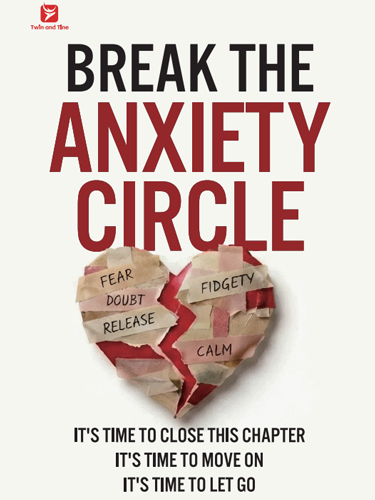
Break the Anxiety Circle
Miles CarterA mental reset for people trapped in the overthinking loop. Understand why your mind won’t stop racing — and how to break free from anxiety, people-pleasing, and emotional exhaustion.
Many people struggle with anxiety because they only focus on stopping the symptoms.
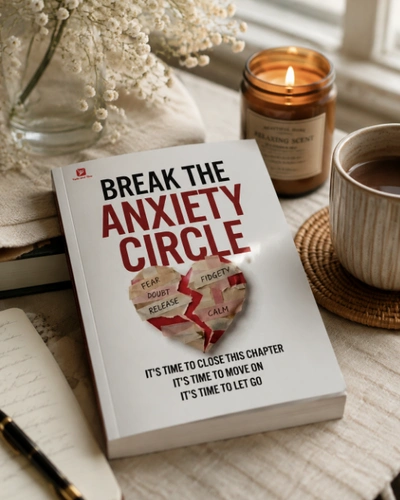
Break the Anxiety Circle by Miles Carter takes a deeper approach by exploring the patterns that keep anxiety active.
The book helps readers understand:
- Why anxious thoughts repeat
- How worry becomes a mental habit
- How emotions influence thinking
- How to interrupt unhealthy cycles
By understanding the relationship between thoughts and anxiety, readers can begin developing a calmer and more balanced mindset.
A Calmer Mind Begins With Understanding
Learning how to calm an anxious mind is not about creating a life without stress.
Challenges, uncertainty, and difficult emotions are part of being human.
The goal is to build the ability to handle those experiences with greater awareness and confidence.
When you understand your thoughts instead of being controlled by them, anxiety becomes easier to manage.