Do you wanna know who the most dangerous person in the workplace is?
I bet you’re thinking it’s the loud, messy troublemaker everyone complains about — but it’s not. It’s the boss who watches the damage happen in real time and then shrugs. The enabler.
And every organization has at least one. The person who has the authority to step in, redirect, correct, or protect — and instead chooses to do absolutely nothing.
Key Takeaways (At a Glance)
- The most dangerous person in the workplace isn’t the troublemaker — it’s the boss who enables them. They have the power to intervene and choose not to.
- Passive leadership isn’t neutral — it’s approval in disguise. Every moment they stay quiet, they tell the team “this is how we operate.”
- Toxic environments grow because leaders decide conflict management is optional. They choose comfort over courage, image over integrity, silence over responsibility.
- Real leadership doesn’t hide. It intervenes, protects, sets the tone, and steps in to fix what needs fixing.

The Enabler in the Corner Office
They hear the tension. They see the patterns. They get the emails. They hear the whispers. They know about the side conversations. And their big leadership move? “Work it out amongst yourselves.”
They do this because avoiding discomfort feels easier than stepping up.
Passive leadership isn’t neutral — it’s approval in disguise. Every moment they stay quiet, they send a message to the whole team that this is how we operate and don’t expect accountability in this organisation.
How Toxic Environments Really Grow
Toxic environments don’t grow because one difficult person slipped through the hiring process. They grow because leaders decide conflict management is optional. And they choose comfort over courage, image over integrity, and silence over responsibility.
That’s their choice, not the conflict itself.
That cracks morale, drives out your best people, and leaves everyone else wondering why nobody in charge is actually in charge.
Real Leadership Doesn’t Hide
Real leadership doesn’t hide. It intervenes. It protects. It sets the tone. And when someone disrupts the culture, real leaders don’t look away. They step in and fix what needs fixing.
If you’re a leader, ask yourself: am I avoiding discomfort at the expense of my team? Am I choosing silence when I should be speaking up? Am I letting one person ruin the culture for everyone else?
If the answer is yes, it’s time to change.
The One Book That Can Help You Become a Better Leader
If you’re ready to lead with clarity, courage, and integrity, Say it Right..Every Time. by Miles Carter is the book you need. It teaches you how to express your opinions with confidence, have difficult conversations, and set boundaries without losing respect.
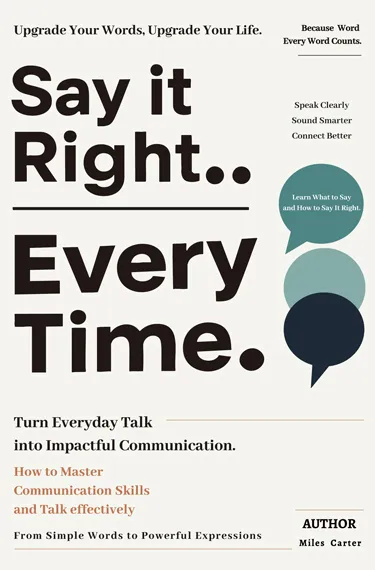
Say it Right..Every Time.
Miles CarterPractical communication tools for the moments that matter — say what you mean, calmly and confidently.
FAQ
Q: Who is the most dangerous person in the workplace?
A: The most dangerous person isn’t the troublemaker — it’s the leader who enables them. The one who sees the damage happening and chooses to do nothing.
Q: Why is passive leadership dangerous?
A: Passive leadership sends a message to the team that bad behaviour is acceptable. It allows toxicity to grow, drives out top performers, and erodes trust in leadership.
Q: Does avoiding conflict make me a better leader?
A: No. Avoiding conflict makes you a leader who prioritizes comfort over courage. Real leaders step in when they see problems, even when it’s uncomfortable.
Q: What should I do if I’m working for an enabler?
A: Document everything. Address issues directly where you can. If the culture doesn’t change, consider whether this environment is worth staying in. Your peace and growth matter.
Q: Can a passive leader change?
A: Yes — but only if they’re willing to confront their own fear of conflict. Change starts with self-awareness and a commitment to showing up differently.