“Okay, correct me if I’m wrong, but you wanna have a good friend, right?”
Most of us do. But we don’t always ask ourselves the harder question: am I a good friend?
Being a good friend isn’t about being funny, texting back on time, or wanting to hang out every single weekend. It’s about making someone’s life better because you’re in it.
If you’ve ever wondered why your friendships dwindle or things just stop working out — it wasn’t random. It’s because people (or you) stopped doing three specific things: presence, honesty, and investment.
Here’s how to be a good friend.
Key Takeaways (At a Glance)
- Presence isn’t about time — it’s about intention. Show up when it actually matters, not just when it’s convenient.
- A good friend corrects you. They don’t tell you what you want to hear — they tell you what you need to hear.
- Small investments made consistently grow deep relationships. A text, a check-in, remembering the little things — that’s what lasts.
- If you’re scared to speak up, that’s a sign. A real friendship should be able to handle honesty.
- Don’t wait until the relationship needs saving. Invest before things go too far.

Presence: Show Up When It Matters
You hear “be present” and you think it means you have to be there all the time. Always in their face. That’s how you know you’re a good friend.
But it doesn’t.
You have to actually consider: are you there when it actually matters?
This is something that’s so overlooked because people fail to realize it’s in the little things that matter. For example, your friend tells you they have a really big interview coming up the next day — a milestone in their life. You say “good luck.” Most people leave it at that. That’s fine. That’s where a lot of people stop.
A good friend takes it a step further. You text them after. You ask how it went. You ask what happened. You ask how they feel about it. Being a good friend means remembering what matters to the people you call your friends.
A person will never remember how often you talk to them. They’ll remember who showed up when it mattered.
Presence is not measured by time. Presence is measured by intention.
Honesty: Tell the Truth With Love
A good friend doesn’t just support you — they correct you. And that might be triggering for some people to hear. But believe it or not, you have to hold the people in your life to a certain standard. There are certain things you just don’t accommodate for.
If your friend is making decisions that are hurting them, your job is not to protect their feelings. Your job is to protect their future.
In a lot of friendship dynamics, people apply some level of restraint to open communication because they fear that if they speak up about something, it’ll cause a rift or damage the friendship. So most times, they stay quiet. They watch things unfold and think “okay, fine, whatever.”
If something is happening, it is your duty to make sure they don’t go deeper in whatever rabbit hole they’re in.
Here’s how you do it. You bring up the thing and say: “I’m telling you this because I care about you. I don’t think this decision is good for you.” You phrase it as an opinion.
If they value you, they should be able to take what you say seriously to some extent.
Real friends — good friends — don’t tell you what you want to hear. They tell you what you need to hear.
Investment: Water the Relationship
If you’ve ever been friends with a person and it just never lasted — it died away — this happens a lot. There’s this assumption that good friendships will maintain themselves. That because we’re such good friends, everything will work out the way it should.
But it doesn’t.
Relationships grow where attention goes. If there’s no investment in that relationship you’re building with a person, there’s no way it’s gonna grow. It’s like a plant. If you don’t water it, it gets all the sunlight and air in the world — but it’s still gonna die.
Small investments made consistently grow deep relationships.
Check in on them for absolutely no reason. You don’t need to wait for something to reach out to your friend. It could be 3 a.m., you’re scrolling, you’re thinking of them. Send a text. “Hey, I was just thinking about you. Hope you’re okay.”
It’s as simple as that. Plan the dinner. Remember the birthday. Ask about that thing they told you they were nervous about. It’s the little things that matter.
Consistency does not mean back-to-back. It genuinely just means consistently show up.

The One Book That Can Help You Build Better Friendships
If you’re ready to become a better friend and build relationships that last, Say it Right..Every Time. by Miles Carter is the book you need. It teaches you how to express your opinions with confidence, have difficult conversations, and communicate with the people who matter most.
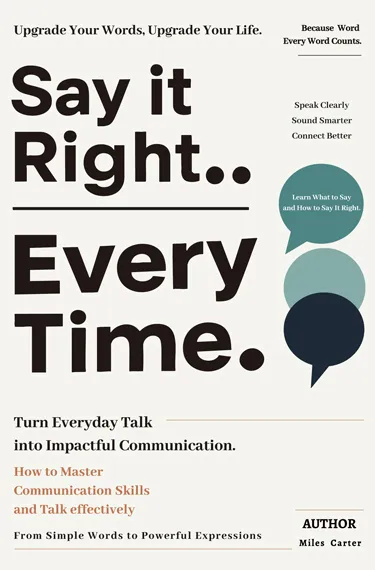
Say it Right..Every Time.
Miles CarterPractical communication tools for the moments that matter — say what you mean, calmly and confidently.
FAQ
Q: How can I be a better friend?
A: Be present when it matters, tell the truth with love, and consistently invest in the relationship. A good friend shows up, speaks up, and stays consistent.
Q: What does it mean to be present in a friendship?
A: Presence isn’t about how much time you spend together. It’s about showing up when it actually matters — especially during important moments, milestones, and difficult times.
Q: Should I correct my friend if I think they’re making a mistake?
A: Yes. A good friend doesn’t just support — they also correct. But do it with love and respect. “I’m telling you this because I care about you” is the right approach.
Q: Why do friendships fade away?
A: Friendships fade when there’s no consistent investment. They don’t maintain themselves. If you don’t water the relationship, it withers.
Q: Is it okay to tell my friend something they don’t want to hear?
A: Yes — and often, that’s exactly what a good friend should do. They might not like hearing it, but if you say it with love and respect, that’s real friendship. They tell you what you need to hear, not what you want to hear.