Some people jump from relationship to relationship, unable to bear being alone. Others stay single for years but secretly long for connection. Even those who claim they don’t need anyone still seek validation, attention, and emotional intimacy in some form.
Why is this drive so universal? Why does being single feel unbearable to some and perfectly fine to others?
The answer lies in human nature itself. We are wired for connection—biologically, psychologically, and socially. But the reasons run deeper than loneliness. This article explores three books that explain what drives this powerful human need.
Book 1: Awakening to Human Nature by Owen Pierce
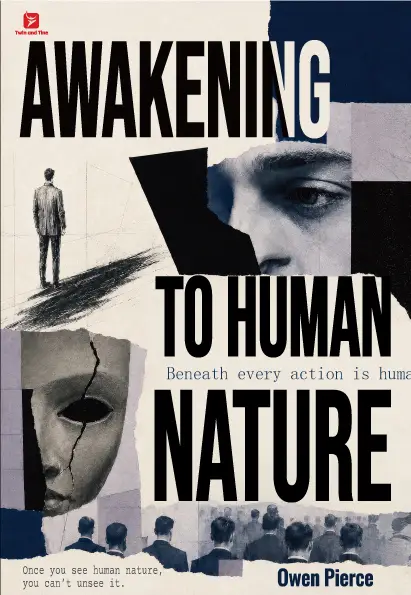
Awakening to Human Nature
Owen PierceA practical guide for understanding hidden motives, social patterns, emotional pressure, and manipulation—so you can read situations more clearly and protect your boundaries with confidence.
This book explains the hidden forces behind why we pursue relationships so intensely.
At our core, humans are driven by needs we rarely examine openly. The craving for validation, the fear of being alone with our own thoughts, the search for identity through others—these aren’t weaknesses. They’re wired into human nature.
The book reveals why people chase approval over truth, why emotional security becomes a substitute for self-worth, and why being alone triggers such deep discomfort. It also explains the darker side: why some relationships are built on dependency rather than genuine connection, and why people stay in relationships long after they’ve stopped working.
Understanding these patterns helps you see your own cravings more clearly. You stop chasing relationships to fill a void and start building connections from a place of wholeness. This isn’t about becoming cold—it’s about becoming conscious.
Book 2: Attached by Amir Levine and Rachel Heller
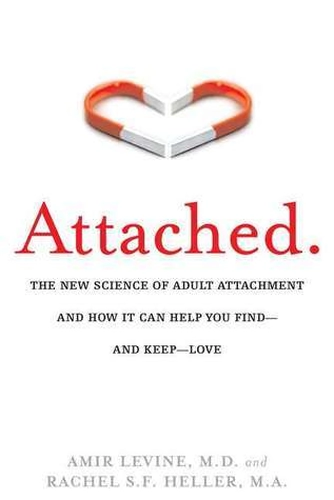
This book reveals the attachment science behind why we crave relationships.
Levine and Heller explain that the need for connection is biologically hardwired. Drawing on attachment theory, they show that humans have evolved to seek proximity to others for survival. This isn’t a choice—it’s how our nervous systems are built.
The book identifies three attachment styles: anxious, avoidant, and secure. Anxious types crave relationships intensely but fear abandonment. Avoidant types suppress their need for closeness. Secure types form healthy bonds without desperation. Understanding your own style explains why you want relationships the way you do.
This framework helps you stop blaming yourself for wanting connection. It’s not a flaw. It’s biology. And once you understand it, you can build healthier relationships without the anxiety or avoidance that sabotage them.
Book 3: The Lonely City by Olivia Laing
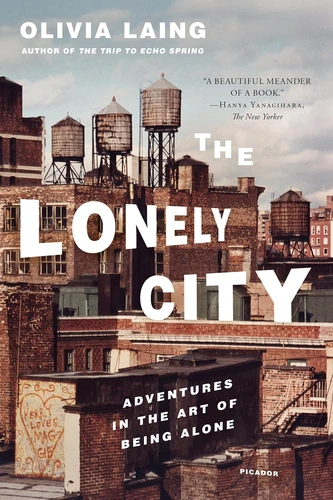
This book explores the paradox of craving relationships in a world that often makes us feel isolated.
Laing examines the experience of loneliness—not as a personal failure, but as a universal human condition. Through memoir, art criticism, and psychology, she shows how the desire for connection intensifies when we feel cut off from others. Loneliness isn’t about being physically alone. It’s about feeling unseen, unheard, and disconnected.
She also explores why some people seem to need relationships more than others. The answer lies in how much emotional support they’ve received in the past, their sense of self-worth, and their tolerance for solitude. The more fragile your sense of self, the more desperately you’ll chase relationships to feel whole.
This book offers comfort to anyone who’s ever wondered why they crave connection so deeply. The answer isn’t that you’re needy—it’s that you’re human. And that craving, when understood, can lead to genuine intimacy instead of desperate attachment.
Putting It All Together
These three books approach the craving for relationships from different angles. Attached shows you the biological and psychological wiring behind attachment styles. The Lonely City reveals how loneliness intensifies the craving. But Awakening to Human Nature is the foundation—the one that explains the deeper human drives beneath it all: the validation seeking, the self-deception, the hidden fears that make relationships feel like life or death.
Without that foundation, you’re just labeling your attachment style without understanding what drives it. With it, you see your cravings clearly and can finally stop being controlled by them.
If you’ve ever wondered why you can’t stop wanting relationships—or why you avoid them but still feel the pull—start here. Understanding your craving is the first step toward choosing relationships from strength instead of need.
If you’re ready to understand what drives your need for relationships, start with Awakening to Human Nature. Click below to finally see yourself clearly.