You have probably made decisions you later regretted. Not because you were careless, but because you were missing something—a pattern, a bias, a hidden motive. Strategic thinking is not about being smarter. It is about seeing what others miss and making decisions based on that clarity.
The books below each help you think differently about decisions.
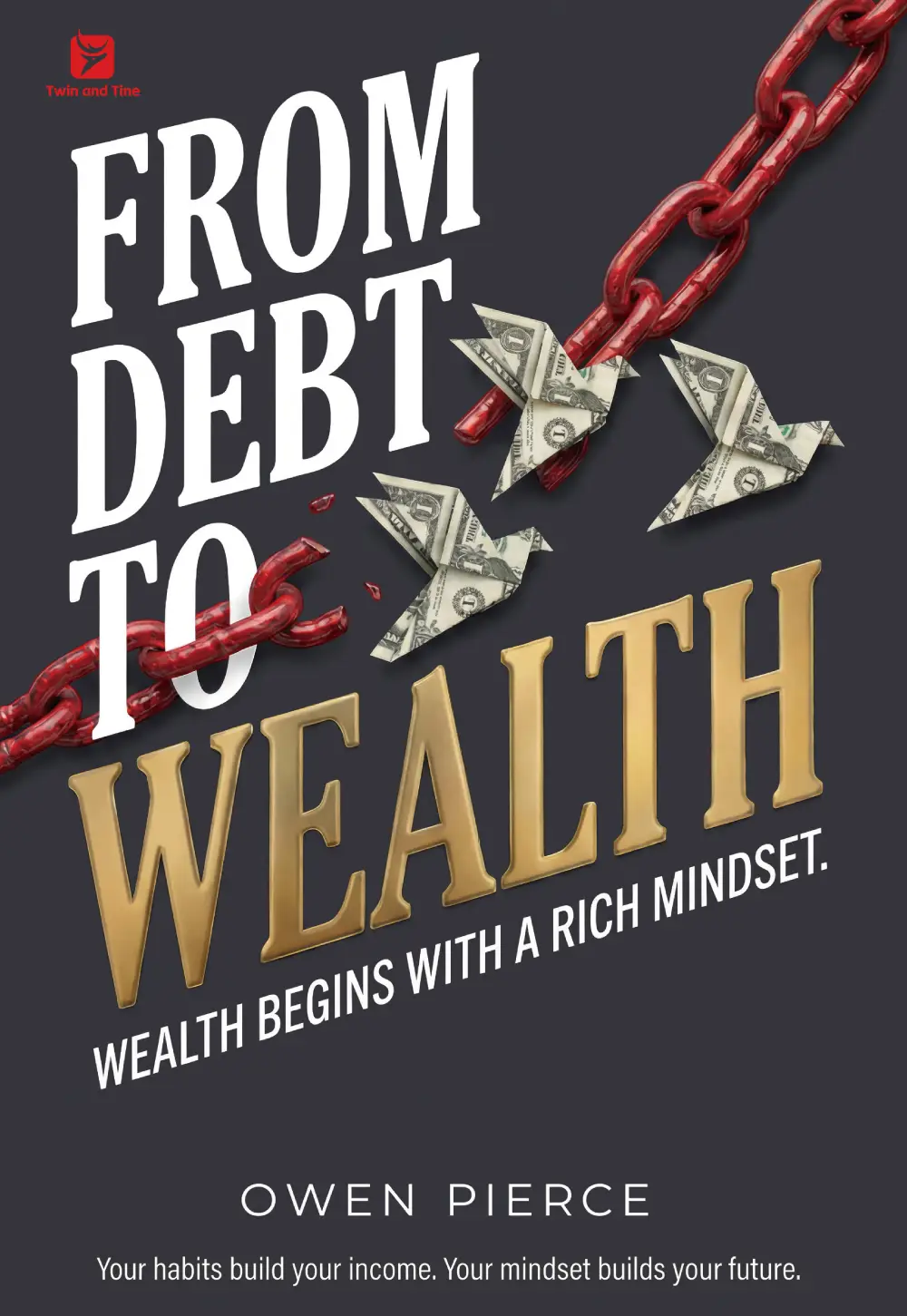
1. Awakening to Human Nature by Owen Pierce
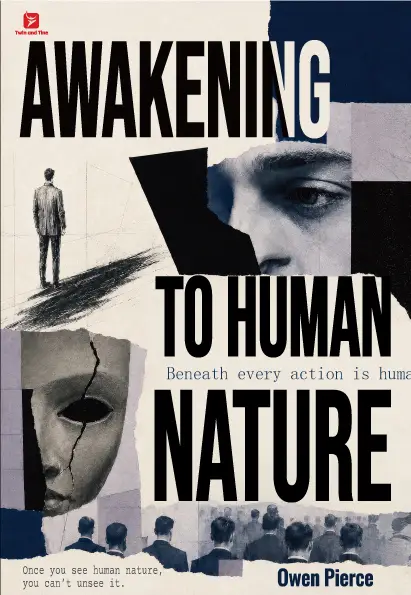
Awakening to Human Nature
Owen PierceA practical guide for understanding hidden motives, social patterns, emotional pressure, and manipulation—so you can read situations more clearly and protect your boundaries with confidence.
Understand the people behind every decision.
Most strategic decision-making books focus on frameworks and data. Pierce focuses on something more fundamental: understanding human nature. Why do people make the decisions they do? What hidden motives drive their choices? Why do smart people make terrible decisions when their identity is threatened?
The book covers self-deception, emotional patterns, and the survival mechanisms that keep people stuck. It explains why people double down on bad decisions, why they avoid discomfort, and why they are influenced by status and validation more than logic.
When you understand how people actually operate, you stop being surprised by their decisions. You start anticipating them. You make better choices—because you see what others are missing.
For anyone who wants to make better decisions by understanding the people involved.
2. Superforecasting by Philip E. Tetlock and Dan Gardner
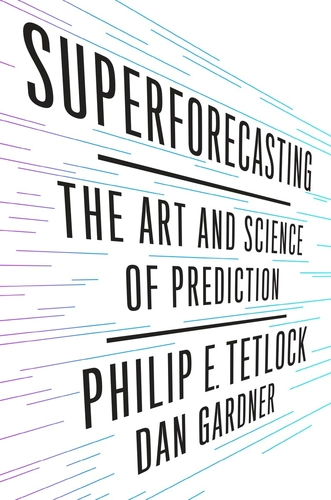
The art and science of making accurate predictions.
Tetlock spent years studying people who are exceptionally good at predicting the future. He found that they are not geniuses. They are not lucky. They have a specific set of habits: they update their beliefs based on new information, they are comfortable with uncertainty, and they are willing to admit when they are wrong.
The book gives you a framework for thinking probabilistically. Instead of asking “will this happen?” you ask “what is the probability that this happens?” It teaches you to break big decisions into smaller parts and to update your beliefs as new information comes in.
For anyone who wants to make better decisions by improving their ability to predict outcomes.
3. Decisive by Chip Heath and Dan Heath
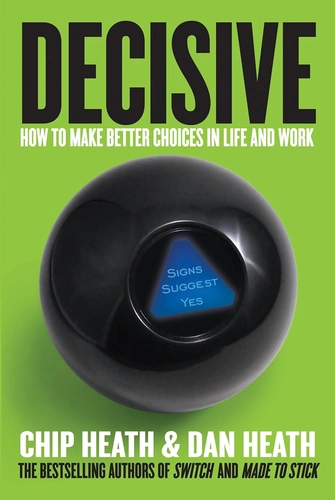
A practical framework for avoiding decision traps.
The Heath brothers studied why people make bad decisions—and how to make better ones. They identify four common decision traps: narrow framing (seeing too few options), confirmation bias (looking for evidence that supports what you already believe), short-term emotion (making decisions based on how you feel in the moment), and overconfidence (believing you can predict outcomes better than you actually can).
The book gives you a step-by-step process to counter each trap: widen your options, reality-test your assumptions, distance yourself from short-term emotion, and prepare to be wrong.
For anyone who wants a practical framework for making better decisions.
| Best for | |
|---|---|
| Awakening to Human Nature | Understanding the people and motives behind every decision |
| Superforecasting | Improving your ability to predict outcomes |
| Decisive | A practical framework for avoiding decision traps |