You’ve watched certain people rise effortlessly. They command attention without demanding it. They navigate complex social situations with ease. They seem to understand something you don’t—an invisible set of rules that determines who leads and who follows.
You’ve also watched others stumble. Smart, capable people who should be succeeding. But they miss the undercurrents. They trust the wrong people. They assume fairness where none exists. They get blindsided again and again.
The difference isn’t intelligence. It’s understanding the relationship between human nature and power. One without the other is dangerous. Knowing human nature without understanding power leaves you vulnerable. Understanding power without knowing human nature makes you a tyrant.
This article explores three books that together reveal how power actually works—and how to navigate it without losing yourself.
Book 1: How to Read Someone’s Mind by Miles Carter
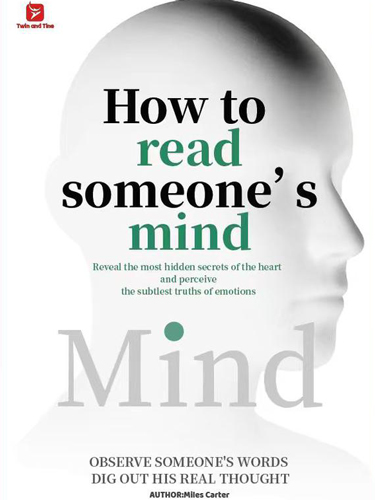
How to Read Someone’s Mind
Miles CarterPractical tools for reading body language, tone, and hidden intentions in real time. Spot what people aren’t saying — before you trust the wrong person.
Before you can understand power, you need to see the signals people send.
Power dynamics aren’t announced. They’re expressed through subtle cues—a glance held a moment too long, a body angled away, a voice that drops slightly when giving an order. People who understand power read these signals instinctively. People who don’t miss them entirely.
This book teaches you to observe what others overlook. Facial expressions, body language, vocal tone, and situational behavior reveal who’s actually in control, who’s posturing, and who’s about to be pushed aside. You’ll learn to spot fear disguised as aggression, insecurity hidden behind confidence, and the micro-expressions that betray someone’s real intentions.
In power struggles, information is leverage. And the most valuable information is what people don’t say. This book gives you the tools to gather it in real time.
Book 2: The 48 Laws of Power by Robert Greene
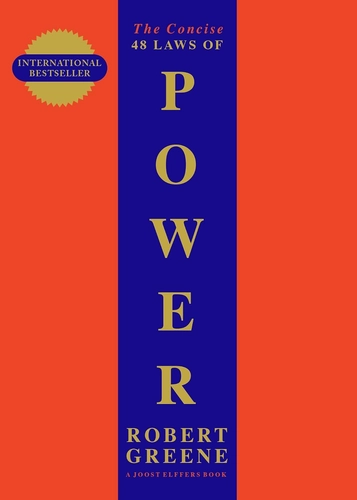
This book is the definitive guide to how power has been gained, maintained, and lost throughout history.
Greene distills 48 laws from centuries of historical examples—from Machiavelli to Napoleon to ancient Chinese emperors. Each law reveals a specific power dynamic: why you should never outshine your master, why you should say less than necessary, why you should pose as a friend but act as a spy.
Many readers recoil at the book’s coldness. That’s the point. It doesn’t moralize. It observes. And its observations are brutally accurate.
The value isn’t in learning to manipulate others. It’s in recognizing manipulation when it’s aimed at you. It’s understanding why people do what they do in power struggles—and protecting yourself accordingly. This book hands you a map of a terrain you’ve been walking through blind.
Book 3: The Prince by Niccolò Machiavelli
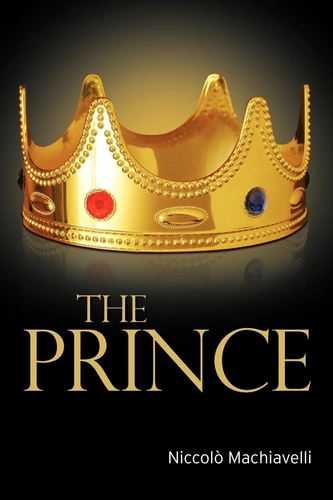
This is the original text on power politics—a book that’s been misunderstood for centuries.
Machiavelli wrote The Prince as a practical guide for rulers in a dangerous world. It doesn’t preach idealism. It describes what actually works. Its insights remain startlingly relevant because human nature hasn’t changed.
The book explains why it’s better to be feared than loved (if you can’t be both), why you should keep your hands off other people’s property, and why cruelty used decisively is more effective than kindness that’s inconsistent. Machiavelli isn’t advising evil. He’s describing how power operates when survival is at stake.
Reading The Prince alongside modern works reveals how little the dynamics of power have changed. The names and settings are different. The patterns are identical.
Putting It All Together
Power is a fact of life. Ignoring it doesn’t make you moral—it makes you vulnerable. Refusing to study it doesn’t make you pure—it makes you naive.
The 48 Laws of Power shows you the tactics. The Prince shows you the historical patterns. But How to Read Someone’s Mind is where it all begins—the practical skill of actually seeing the signals people send in real time. Without that observation skill, you’re learning strategies without knowing when or how to apply them. With it, you see the game unfolding before you’ve even entered it.
If you’ve ever wondered why some people succeed while equally capable others fail—start here. Power isn’t a dirty word. It’s a force you need to understand. Whether you choose to use it or simply refuse to be used by it.
If you’re ready to finally understand how power really works, start with How to Read Someone’s Mind. Click below to see the signals that reveal who’s really in control.