Communication is at the center of every social interaction.
Whether people are meeting someone new, maintaining relationships, or working with others, the ability to communicate effectively can influence how easily they connect with those around them.
However, social communication is not only about knowing what to say. It also involves understanding emotions, reading situations, listening carefully, and expressing thoughts in ways others can understand.
Many people want to become better communicators but struggle with conversations because they feel unsure about how to express themselves or respond naturally.
The right books can help readers understand communication patterns, improve social awareness, and develop stronger interaction skills.
Here are three books that explore different aspects of social communication and meaningful conversations.
Say It Right Every Time by Miles Carter
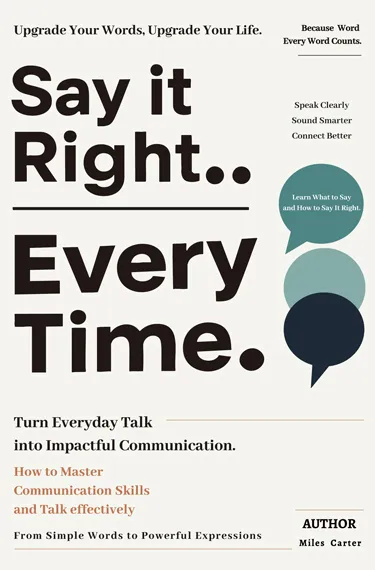
Say it Right..Every Time.
Miles CarterPractical communication tools for the moments that matter — say what you mean, calmly and confidently.
Best for improving everyday communication habits
Good communication starts with understanding how messages are created and received.
Say It Right Every Time by Miles Carter focuses on helping readers improve the way they express ideas, handle conversations, and build stronger connections through more intentional communication.
The book explores how people can:
- Communicate ideas more clearly
- Reduce misunderstandings
- Develop better conversational habits
- Create more meaningful interactions
Many communication problems come from small habits people repeat every day. By becoming more aware of these habits, readers can gradually improve the quality of their conversations.
For anyone looking for social communication books focused on practical improvement, this book offers useful insights for everyday interactions.
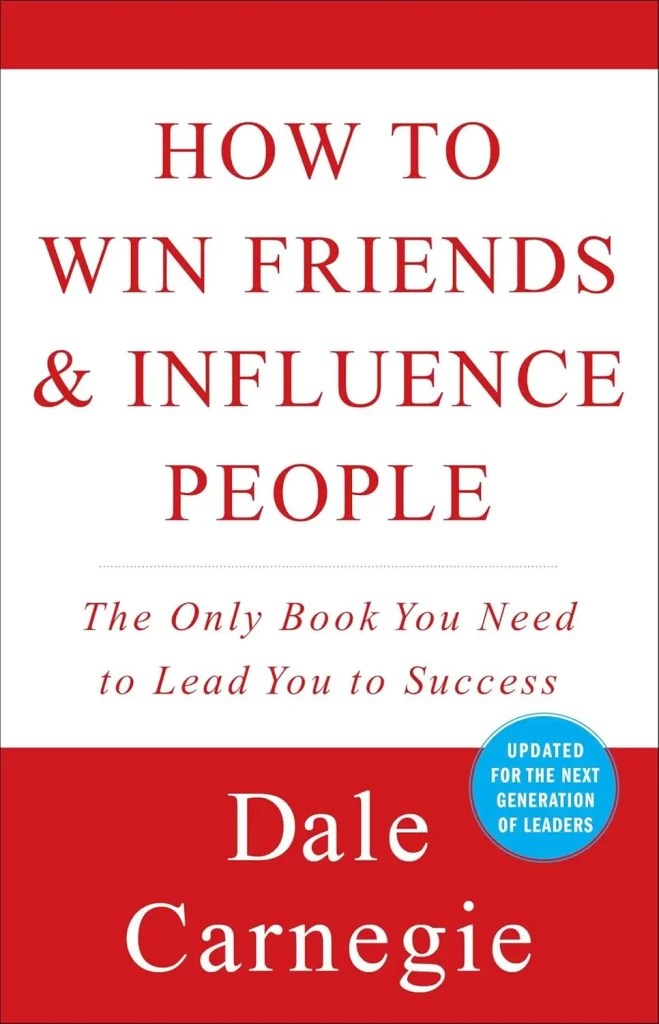
How to Win Friends and Influence People by Dale Carnegie
Best for understanding positive social interactions
Building relationships requires more than simply sharing information.
How to Win Friends and Influence People explores principles related to listening, empathy, appreciation, and creating positive connections with others.
The book focuses on how small changes in communication style can influence relationships and social experiences.
For readers who want to understand the foundations of effective social interaction, this classic provides valuable lessons.
The Charisma Myth by Olivia Fox Cabane
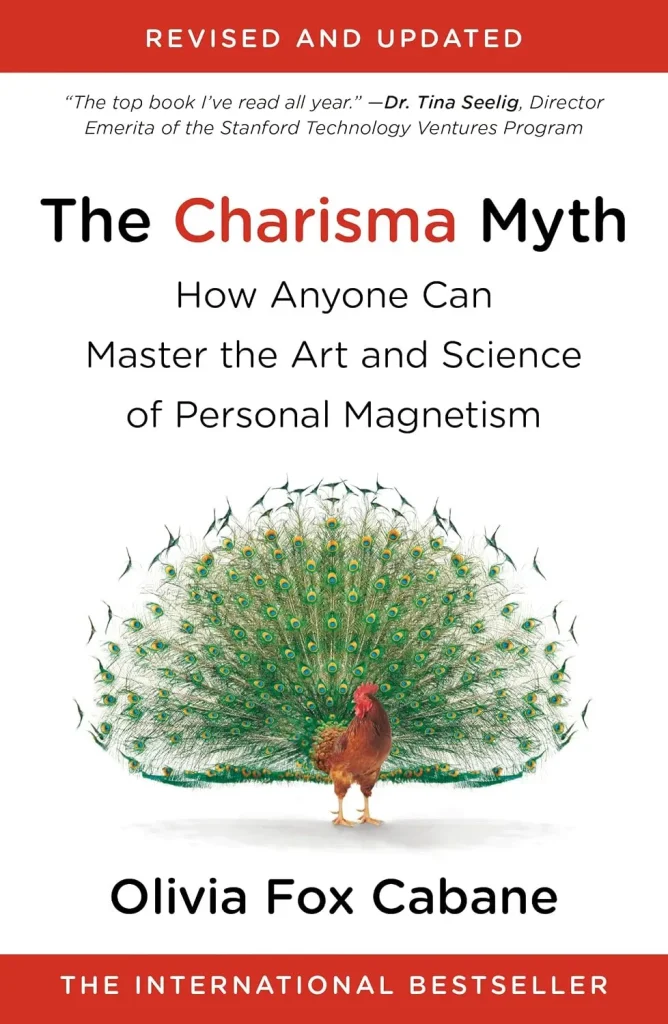
Best for developing confidence in social situations
Some people appear naturally comfortable in conversations, while others struggle with confidence when interacting with new people.
The Charisma Myth explores how presence, warmth, and communication behaviors influence the way people connect with others.
The book provides insights into developing stronger social confidence and becoming more engaging during interactions.
For readers who want to improve their presence and communication style, this book offers practical ideas.
Why Social Communication Skills Matter
Communication influences many areas of life.
Strong social communication skills can help people:
- Build healthier relationships
- Express themselves more confidently
- Understand others more effectively
- Handle conversations with greater ease
These skills are not fixed abilities. They can be developed through awareness, practice, and learning.
Better Conversations Begin With Better Understanding
Many people focus only on speaking skills when improving communication.
However, meaningful conversations also depend on listening, emotional awareness, and understanding different perspectives.
When people become more intentional about how they communicate, their interactions often become more natural and rewarding.
Why Say It Right Every Time Is Worth Exploring
Many communication books focus on specific areas, such as persuasion, confidence, or social influence.
Say It Right Every Time by Miles Carter focuses on the everyday communication habits that shape real conversations.
By helping readers understand expression, clarity, and interaction patterns, the book provides practical guidance for improving communication in daily life.
For readers exploring social communication books, this book offers a useful approach to becoming a clearer and more thoughtful communicator.