You’ve had the experience. Someone says something. You interpret it one way. Later you realize they meant something completely different. Or worse—they say they meant no harm, but you felt attacked. Or you trusted someone, and later found out you completely misread their intentions.
Why does this keep happening? Why do you misunderstand people so often?
The answer isn’t that you’re bad at relationships. It’s that you’re reading signals wrong. Or not reading them at all. People constantly send signals they don’t intend to send—and hide signals they don’t want you to see. When you miss these cues, you misinterpret everything.
This article explores three books that will help you stop misunderstanding people and start seeing them clearly.
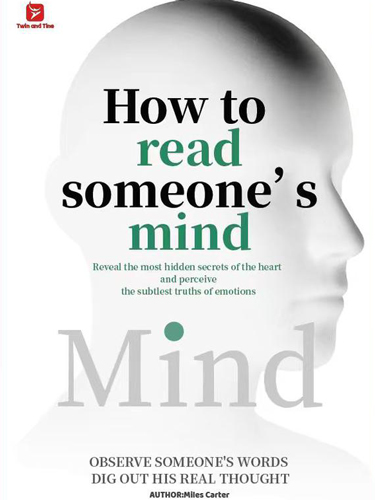
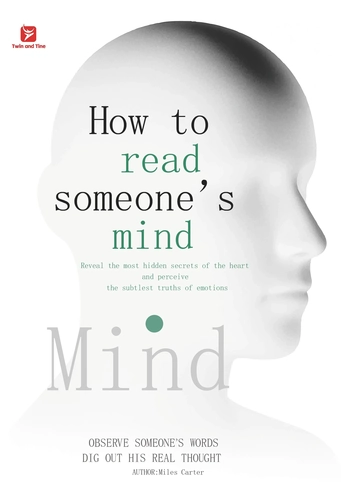
How to Read Someone’s Mind
Miles CarterPractical tools for reading body language, tone, and hidden intentions in real time. Spot what people aren’t saying — before you trust the wrong person.
Book 1: How to Read Someone’s Mind by Miles Carter
Misunderstanding starts with missing signals. This book is your practical guide to reading people in real time.
It teaches you to observe what others overlook. A face can flash anger, fear, or contempt in a fraction of a second—before the person even knows they’re feeling it. A forced smile doesn’t reach the eyes. Genuine warmth shows in subtle ways most people never notice. This book trains you to catch these micro-expressions, the involuntary movements that reveal what people try to hide.
Body language speaks just as loudly. Crossed arms and leaning back create distance. Fidgeting signals anxiety. Feet pointing toward the exit reveal a desire to leave. Most people don’t notice these cues. But they’re telling the truth.
Voice and tone add another layer. When someone’s pitch rises while they insist they’re calm, they’re suppressing something. When words and tone don’t match, you’re only hearing half the message. This book teaches you to listen for these contradictions.
When you learn to see and hear these signals, you stop misunderstanding. You stop assuming based on your own fears or hopes. You see what’s actually happening.
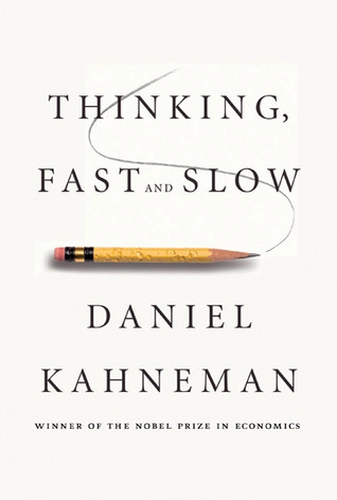
Book 2: Thinking, Fast and Slow by Daniel Kahneman
Sometimes you don’t misunderstand because you miss signals. You misunderstand because your brain takes shortcuts.
Kahneman explains that your brain operates on two systems. System 1 is automatic, emotional, and fast. It makes snap judgments based on instinct—often wrong. System 2 is deliberate and rational—but lazy. It prefers to accept System 1’s quick conclusions rather than do the work of thinking.
This explains many misunderstandings. You jump to conclusions based on limited information. You interpret neutral behavior as hostile because you’re in a bad mood. You project your own fears onto others and then see what you’re afraid of.
Understanding your own biases is the first step to correcting them. You learn to pause before assuming. You learn to ask yourself: “Am I seeing what’s really there, or what I expect to see?”
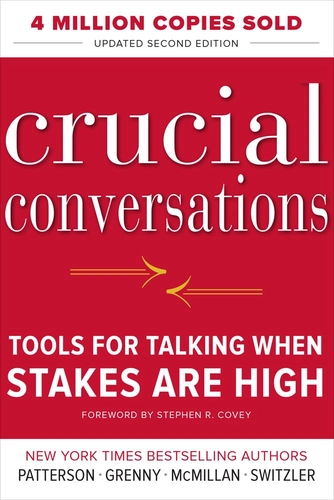
Book 3: Crucial Conversations by Kerry Patterson and Joseph Grenny
Misunderstanding often happens in emotionally charged moments—when you’re anxious, defensive, or hurt.
In these moments, your brain goes into survival mode. You stop listening. You assume the worst. You interpret neutral words as attacks. This book gives you the framework to stay in the conversation even when it gets difficult.
You’ll learn to stay calm when others get emotional, to speak honestly without triggering defensiveness, and to ask clarifying questions that uncover what the other person actually means.
What makes this book valuable for understanding others is its focus on dialogue. Reading signals alone isn’t enough. You need to verify your interpretations. You need to ask, “When you said that, did you mean…?” And you need to listen without defensiveness. This is how misunderstandings get resolved.
Putting It All Together
Misunderstanding people isn’t a fixed flaw. It’s a habit you can unlearn.
Thinking, Fast and Slow shows you the mental shortcuts that distort your reading of others. Crucial Conversations gives you the skills to verify your interpretations. But How to Read Someone’s Mind is where it begins—the practical skill of actually seeing the signals people send in real time. Without that observation skill, you’re guessing. With it, you see what’s really there and stop misinterpreting.
If you’re tired of misreading people and getting hurt—start here. Learn to see what you’ve been missing. The signals are there. You just need to learn how to read them.
If you’re ready to stop misunderstanding people and start seeing them clearly, start with How to Read Someone’s Mind. Click below to develop the observation skills that change every conversation.