Watching your son become more distant can be one of the most confusing and painful experiences for a parent. A child who once shared everything with you may suddenly become quieter, spend more time alone, or seem less interested in conversations, leaving you wondering what changed and how you should respond.
It is natural to feel worried when this happens, but emotional distance does not always mean your relationship is damaged. In many cases, pulling away is part of growing up, developing independence, or learning how to manage emotions in a new stage of life.
Understanding what is happening beneath the surface can help you respond with patience instead of fear and create a stronger connection over time.
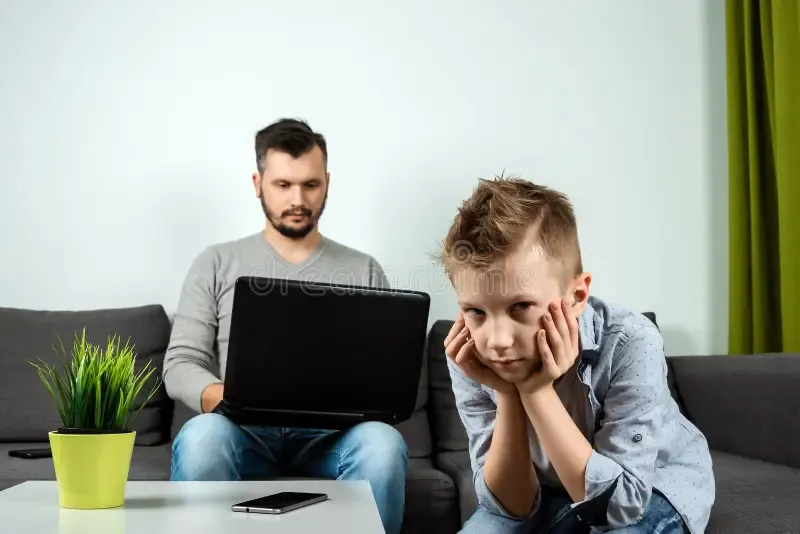
Why Do Sons Sometimes Pull Away From Their Parents?
Growing independence can create emotional distance
As children grow older, they naturally begin building their own identity and learning how to make decisions independently. For many sons, creating some emotional distance is part of discovering who they are outside of their relationship with their parents.
A teenager or young adult may want more privacy, spend less time talking, or prefer solving problems on their own. This does not necessarily mean they no longer value their relationship with you; it may simply mean they are trying to develop confidence and independence.
Changes in communication style are normal
Many parents expect their children to communicate the same way they did when they were younger. However, the way children express emotions often changes as they mature.
A younger child may openly share every detail of their day, while an older child may communicate through shorter conversations, shared activities, or simply spending time together. Understanding these different forms of connection can prevent unnecessary worry.
What Does It Mean When Your Son Pulls Away Emotionally?
Distance may be a sign that he needs space
Sometimes pulling away is not about rejection but about needing room to process thoughts and emotions. Children, especially during adolescence and early adulthood, often need opportunities to figure things out without feeling constantly observed or questioned.
Giving space does not mean becoming disconnected. It means creating an environment where your son knows he can return to you without feeling judged.
He may be struggling with emotions he cannot express
Many children find it difficult to explain complicated feelings. Your son may be experiencing stress, confusion, pressure, or personal challenges but may not yet have the words to communicate what is happening.
When parents immediately push for answers, children may feel overwhelmed and withdraw further. A calm and supportive approach can make it easier for him to open up when he is ready.
What to Do When Your Son Pulls Away
Avoid chasing him with constant questions
When parents notice distance, their first instinct is often to ask more questions. While this comes from care, repeated questions such as “What’s wrong?” or “Why don’t you talk to me anymore?” can sometimes make a child feel pressured.
Instead of trying to force a conversation, focus on creating moments where communication feels natural. A relaxed conversation during a shared activity or everyday routine may feel safer than a serious emotional discussion.
Let him know you are available
One of the most powerful things a parent can do is communicate steady support without demanding immediate openness. Your son needs to know that your relationship is not dependent on how much he shares at a particular moment.
Simple messages like “I’m always here if you want to talk” or “I enjoy spending time with you” can create emotional safety. These small reminders show unconditional support without creating pressure.
Listen more and try to fix less
Many parents naturally want to solve their child’s problems as soon as they hear about them. However, sometimes children are looking for understanding rather than immediate solutions.
When your son does open up, focus first on listening and acknowledging his feelings. Showing that you understand his perspective can strengthen trust and encourage future communication.
How to Rebuild a Stronger Connection With Your Son
Spend quality time without making every moment a lesson
Connection grows through shared experiences, not only through serious conversations. Many children become more comfortable opening up when they spend relaxed time with their parents without feeling like every interaction will become advice or criticism.
Activities such as cooking together, driving somewhere, watching a movie, playing a sport, or working on a project can create opportunities for natural conversations. These moments often become the foundation for deeper emotional connection.
Respect his opinions and growing independence
As children become older, they need to feel that their thoughts and choices are respected. Even when you disagree, showing curiosity about his perspective can help him feel valued.
You can ask questions like “How do you see it?” or “What made you think that way?” instead of immediately explaining why you believe something different. This approach encourages open communication and mutual respect.
Create emotional safety at home
Children are more likely to share their feelings when they believe they will not immediately receive criticism or disappointment. Emotional safety means creating a space where mistakes, struggles, and difficult emotions can be discussed honestly.
This does not mean parents should ignore unhealthy behavior or avoid setting boundaries. It means separating the child’s worth from the behavior that needs to be addressed.
What Not to Do When Your Son Becomes Distant
Do not assume he no longer needs you
One of the most painful thoughts parents experience is believing that their child is moving away emotionally forever. However, many children go through periods of increased independence and later reconnect with their parents in a deeper way.
A temporary period of distance does not erase years of love, trust, and shared experiences. Maintaining a supportive relationship during these stages can make future connection stronger.
Do not take every change personally
It is easy to interpret a child’s withdrawal as a reflection of your parenting or your relationship. While relationships always require attention and growth, not every change means something has gone wrong.
Children change as they grow, and their emotional needs change with them. Learning to adapt your parenting style can help you stay connected through different stages of life.
How to Maintain a Lifelong Relationship With Your Son
Focus on being a trusted person, not only an authority figure
As children grow older, the parent-child relationship naturally changes. The goal is not to maintain the exact same dynamic from childhood but to build a relationship based on trust and mutual respect.
A son who knows he can come to his parents without fear of judgment is more likely to seek guidance when important moments arise. Being a safe person in his life is often more valuable than always having the perfect advice.
Continue showing love in ways he understands
Different children experience love differently. Some appreciate conversations, while others feel connected through actions, shared interests, or simple acts of support.
Pay attention to what makes your son feel valued. Adjusting the way you express care can help you maintain closeness even as your relationship changes.
Final Thoughts
When your son pulls away, it can feel like you are losing the connection you once had. However, emotional distance is often a natural part of growing up rather than a sign that your bond is disappearing.
The most effective response is not to chase, pressure, or force closeness. Instead, focus on patience, understanding, respectful communication, and creating a relationship where your son feels accepted.
Strong parent-child relationships are built over time through trust and emotional safety. By learning to adapt as your son grows, you can continue building a connection that lasts through every stage of life.