You’ve felt it. Someone says something that leaves you confused, guilty, or doubting your own memory. You agree to something you didn’t want. You apologize when you did nothing wrong. Later, you wonder: how did that happen?
Manipulation isn’t always obvious. It rarely looks like coercion. It often looks like concern, generosity, or reasonableness. That’s what makes it so dangerous.
Protecting yourself requires understanding how manipulation works, recognizing the signals, and developing the boundaries that make you less vulnerable.
This article explores three books that will help you protect yourself from manipulative people.
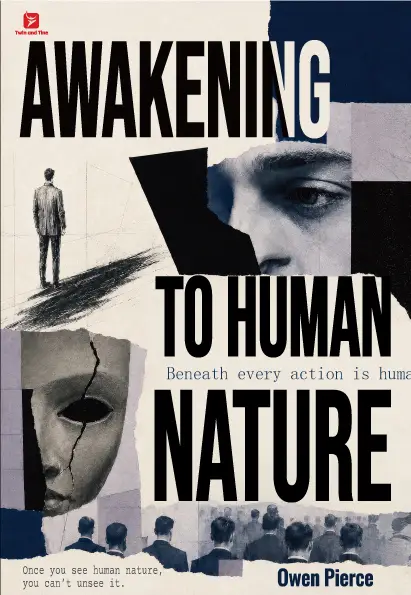
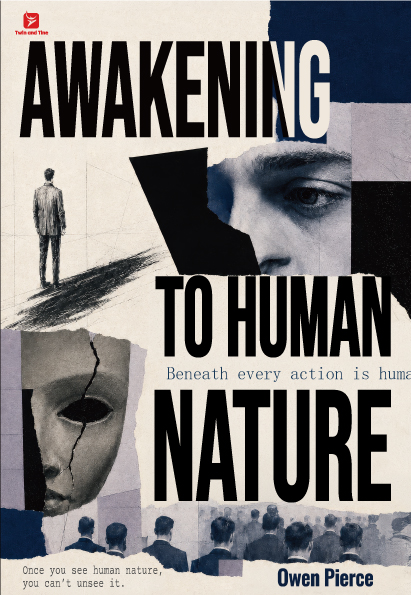
Awakening to Human Nature
Owen PierceA practical guide for understanding hidden motives, social patterns, emotional pressure, and manipulation—so you can read situations more clearly and protect your boundaries with confidence.
Book 1: Awakening to Human Nature by Owen Pierce
Manipulation works because it exploits vulnerabilities wired into human nature.
This book reveals why manipulation is so effective. Manipulators have learned, often intuitively, which emotional buttons to push and when. They exploit your need for validation, your fear of conflict, your desire to be liked, your guilt, and your self-doubt. Every successful manipulation targets one of these soft spots.
You’ll learn to recognize self-deception—both in yourself and in manipulators. Manipulators often believe their own lies. They genuinely think they’re the victim, that their demands are reasonable, that you deserve what they’re doing. This self-deception makes them harder to spot and harder to confront.
The book also explains the tactics that manipulators use most: emotional blackmail, guilt-tripping, gaslighting, love-bombing, silent treatment, and false flattery. When you know the playbook, you recognize the move before it lands.
Most importantly, you’ll learn to build the internal defenses that make you less vulnerable. This isn’t about becoming paranoid or cold. It’s about becoming aware. When you understand the patterns, you stop getting caught in them.
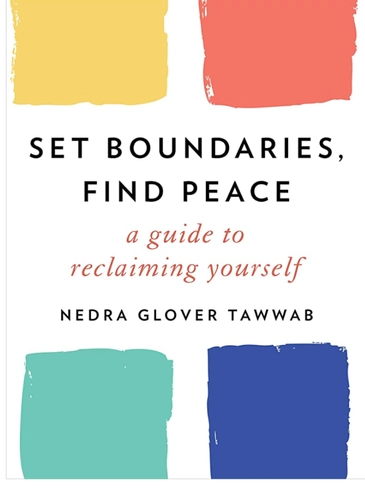
Book 2: Boundaries: When to Say Yes, How to Say No by Henry Cloud and John Townsend
This book gives you the practical framework for setting and enforcing limits with manipulative people.
Cloud and Townsend explain that many people struggle with boundaries because they confuse them with selfishness. They’ve been taught that saying no is wrong, that putting themselves first is bad, that they’re responsible for others’ feelings. Manipulators exploit this confusion.
You’ll learn to identify where your boundaries are weak and why. You’ll understand the difference between healthy boundaries and walls. And you’ll get specific strategies for setting limits in different areas of your life—with partners, family members, colleagues, and friends.
What makes this book essential is its focus on the internal work. Before you can say no to others, you need to believe you have the right to. This book helps you build that belief.
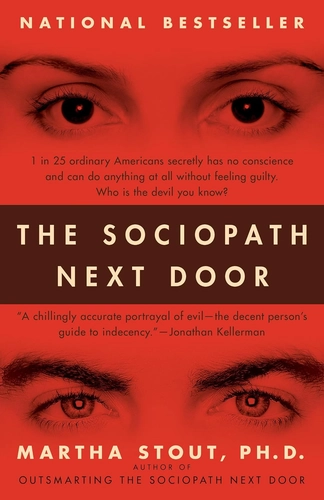
Book 3: The Sociopath Next Door by Martha Stout
This book reveals the presence of manipulative people who lack empathy and conscience.
Stout, a clinical psychologist, explains that approximately 4% of the population has what she calls “no conscience.” These people can lie, exploit, and manipulate without guilt or remorse. They don’t experience empathy, so they don’t hesitate to use others as tools.
What makes this book valuable is how it helps you identify these personalities early. Stout outlines the warning signs: the lack of genuine emotional connection, the pattern of broken promises, the willingness to say anything to get what they want, and the ability to walk away from damage without a second thought.
You’ll also learn how to protect yourself from these types. The key isn’t trying to change them—you can’t. It’s learning to identify them and adjust your expectations, your boundaries, and your distance.
Putting It All Together
Protecting yourself from manipulation isn’t about avoiding people. It’s about seeing clearly and acting wisely.
Boundaries gives you the tools to set limits and say no. The Sociopath Next Door helps you identify the people who pose the greatest threat. But Awakening to Human Nature is the foundation—the one that reveals why manipulation works and how to recognize the patterns before they harm you. Without that foundation, you’re just reacting. With it, you see the game before it’s played.
If you’ve ever wondered why you keep attracting manipulative people or why you can’t seem to say no—start here. Protection isn’t about building walls. It’s about seeing the truth and having the courage to act on it.
If you’re ready to stop being manipulated and start protecting yourself, start with Awakening to Human Nature. Click below to understand the patterns that keep you vulnerable and how to break them.