Becoming a parent often comes with excitement as well as a long list of questions. New parents may wonder how to respond to emotions, establish healthy boundaries, communicate effectively, and build a strong relationship with a child while still learning what works for their family.
There is no single parenting method that works for every child or every family. Children develop differently, and parents also need time to discover their own strengths and learn from everyday experiences. A good parenting book can provide a useful starting point by offering practical ideas and helping new parents feel more prepared for the challenges ahead.
For first-time parents, books that focus on connection, emotional awareness, communication, and child development can be especially valuable. The following three books offer different perspectives that can help parents develop a thoughtful foundation for their parenting journey.
The Parent You Aspire to Be by Miles Carter
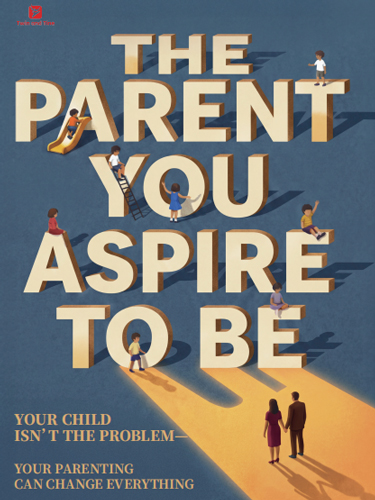
The Parent You Aspire to Be
Miles CarterPractical guidance for tantrums, backtalk, lying, screen addiction, emotional outbursts, and everyday parenting struggles.
Best for building a strong foundation for parent-child connection
First-time parents often focus heavily on what they should do for their child, but parenting is also about the relationship they gradually build together. The way parents communicate, respond to emotions, and handle everyday challenges can shape how children experience trust and support within the family.
The Parent You Aspire to Be by Miles Carter focuses on the emotional and relational side of parenting. It encourages parents to become more aware of their own responses while learning to understand their children’s needs, perspectives, and emotions.
The book explores how parents can:
- Build stronger emotional connections
- Communicate with greater patience
- Respond more intentionally during difficult moments
- Create a supportive family environment
For new parents looking for parenting books for first time parents, this book offers a relationship-centered approach that can help establish a thoughtful foundation from the beginning.
The Whole-Brain Child by Daniel J. Siegel and Tina Payne Bryson
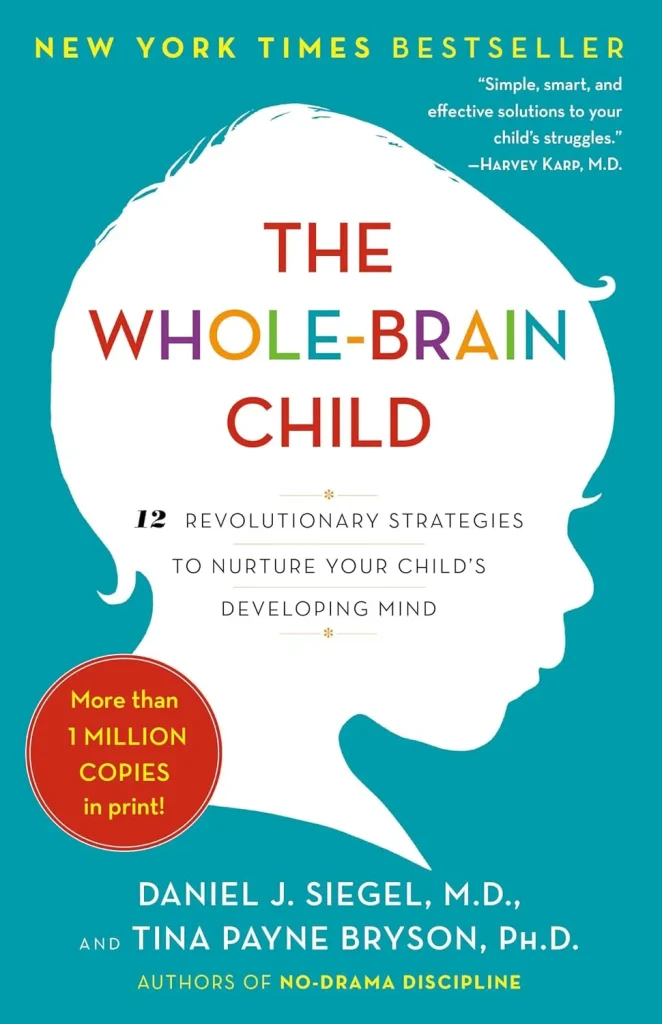
Best for learning how children develop emotionally
One of the biggest challenges for first-time parents is understanding why children react so differently from adults. A child’s emotional response can sometimes seem disproportionate to the situation, but developmental differences often explain why children behave in ways that may be difficult for adults to understand.
The Whole-Brain Child explains how children’s developing brains influence emotions, behavior, and decision-making. The book provides practical ideas for helping children develop emotional awareness while giving parents a clearer perspective on what happens during challenging moments.
For new parents who want to understand the connection between brain development and everyday behavior, this book is a useful starting point.
How to Talk So Little Kids Will Listen by Joanna Faber and Julie King
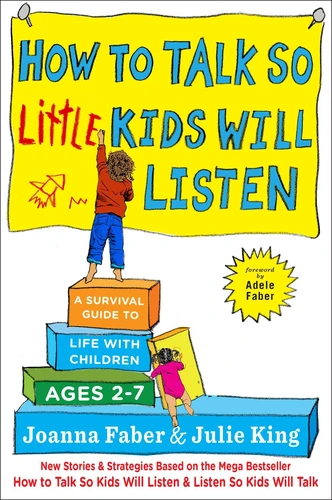
Best for learning practical communication strategies
Communication can become challenging when young children have strong feelings but limited vocabulary and emotional regulation skills. First-time parents may know what they want to communicate but still struggle to get cooperation without turning everyday situations into arguments.
How to Talk So Little Kids Will Listen provides practical strategies for communicating with young children while respecting their emotions and encouraging cooperation. It covers everyday situations that parents are likely to encounter and offers approaches that can make conversations more productive.
For new parents who want to build positive communication habits early, this book provides practical ideas that can be applied in daily family life.
Why First Time Parents Can Benefit From Parenting Books
No book can prepare parents for every situation they will encounter, but the right resources can make the learning process less overwhelming. Parenting books can provide language for experiences that are difficult to understand and introduce perspectives that may not be obvious during stressful moments.
Reading also gives new parents an opportunity to think about their values before particular challenges arise. Rather than searching for an answer only when something goes wrong, parents can gradually develop a broader understanding of communication, emotions, and child development.
Starting With Connection Can Make Parenting Easier
New parents often feel pressure to get every decision right. In reality, children do not need parents who never make mistakes. They need consistent care, emotional support, and a relationship where they can feel secure while learning and growing.
Building connection early can make future communication and guidance easier. When children know that their parents are willing to listen and understand them, everyday challenges can become opportunities to strengthen the relationship rather than simply problems that need to be corrected.
Why The Parent You Aspire to Be Is a Useful Starting Point
Some parenting books focus mainly on child development, while others provide specific communication techniques. The Parent You Aspire to Be by Miles Carter takes a broader look at the parent-child relationship and encourages parents to think about the kind of parent they want to become.
For first-time parents exploring parenting books for first time parents, the book offers a thoughtful introduction to connection, emotional awareness, and intentional parenting. It can help new parents begin their journey with a focus not only on raising a child, but also on building a relationship that can grow with that child over time.