Stress has become a common part of modern life. Work responsibilities, personal expectations, and constant information can create a feeling of being mentally overwhelmed. While some stress can motivate people to take action, ongoing pressure can affect emotional well-being and daily life.
Many people look for ways to manage stress more effectively. Reading can be a valuable tool because books allow people to slow down, reflect, and explore different approaches to handling difficult emotions.
People searching for books for stress relief often want more than temporary relaxation. They want to understand why stress happens and learn practical ways to build better emotional habits. The following three books explore different approaches to reducing stress and creating a greater sense of balance.
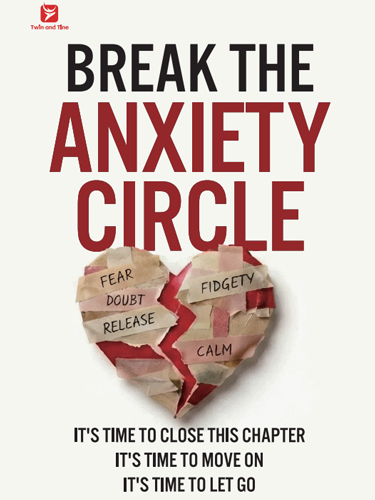
Break the Anxiety Circle by Miles Carter
Break the Anxiety Circle
Miles CarterA mental reset for people trapped in the overthinking loop. Understand why your mind won’t stop racing — and how to break free from anxiety, people-pleasing, and emotional exhaustion.
Best for reducing stress caused by repetitive worry
Stress often becomes more difficult when the mind continues returning to the same concerns. Repeated thoughts about possible problems can create emotional exhaustion and make it harder to feel calm.
Break the Anxiety Circle by Miles Carter explores how anxious thinking patterns can contribute to ongoing stress. The book helps readers understand how thoughts, emotions, and reactions interact with each other.
Readers can learn how to:
- Recognize stress-related thought patterns
- Understand the connection between worry and emotions
- Create healthier responses to pressure
- Develop more balanced thinking habits
For anyone searching for books for stress relief, this book offers a practical perspective on managing the mental patterns that often increase stress.
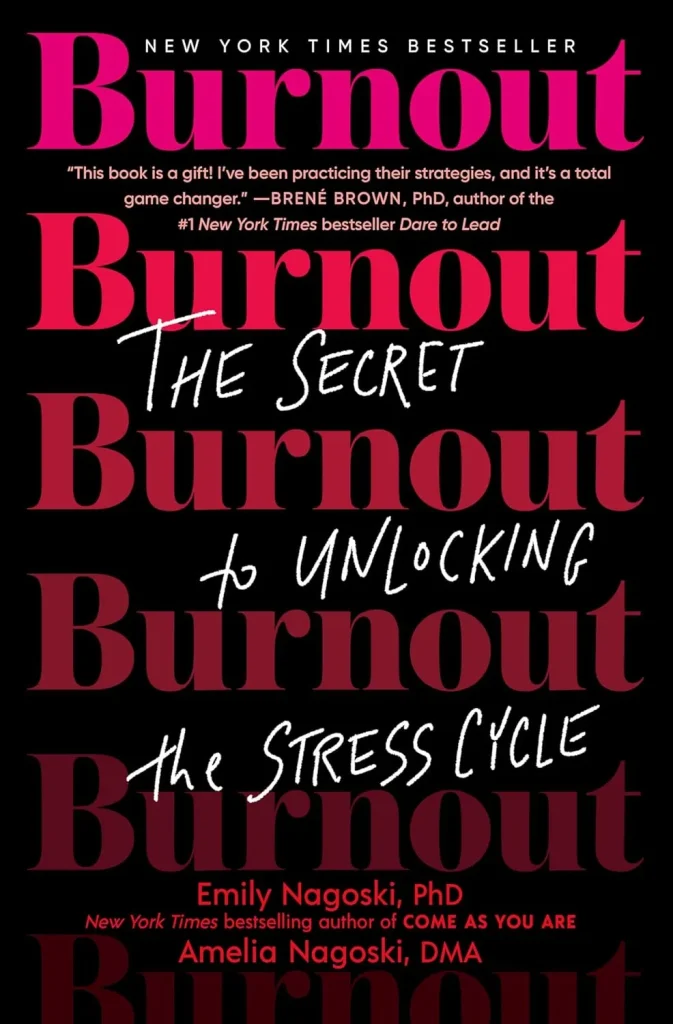
Burnout by Emily Nagoski and Amelia Nagoski
Best for understanding stress and emotional exhaustion
Many people experience stress not only because they have too much to do, but because they struggle to fully recover from ongoing pressure.
Burnout explores how stress affects the mind and body while explaining why recovery is an important part of emotional health. The book discusses stress cycles, emotional needs, and ways people can support their well-being.
For readers who want to understand why they feel exhausted and how to create healthier patterns, this book provides valuable insights.
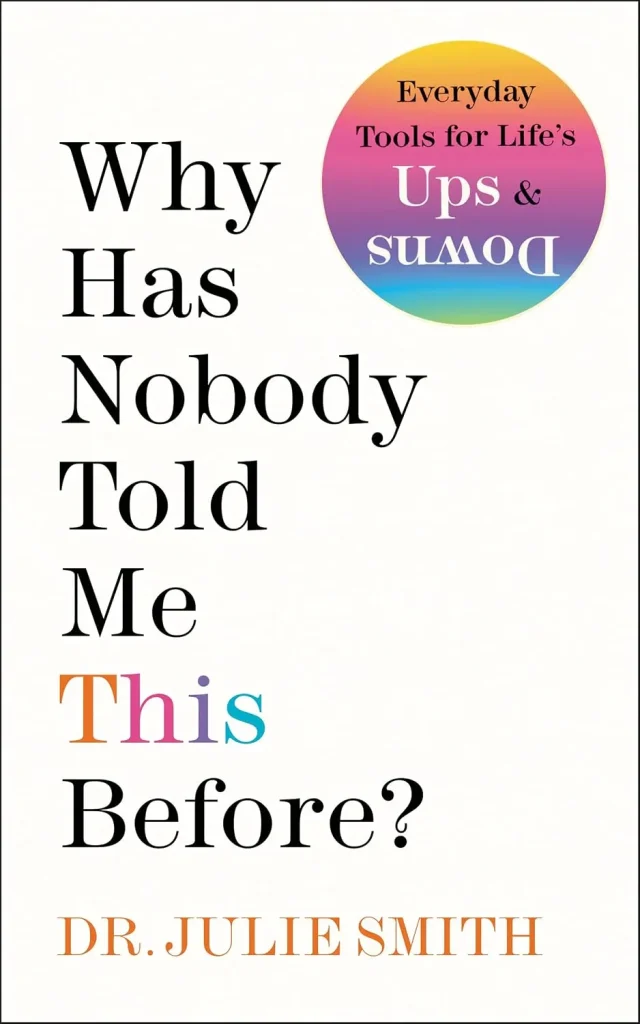
Why Has Nobody Told Me This Before? by Dr. Julie Smith
Best for learning practical emotional skills
Managing stress often requires understanding emotions and developing better ways to respond to difficult situations.
Why Has Nobody Told Me This Before? provides accessible psychological guidance on topics such as resilience, emotional challenges, and personal growth. The book offers practical ideas that readers can apply in everyday life.
For people who want simple but meaningful strategies for handling emotional pressure, this book is a helpful resource.
Why Stress Management Matters
Stress affects more than emotions. When pressure continues over time, it can influence concentration, relationships, energy levels, and overall quality of life.
Learning about stress can help people recognize their own patterns and understand what contributes to feeling overwhelmed. With greater awareness, it becomes easier to make changes that support emotional balance.
Small Changes Can Create Better Stress Habits
Managing stress does not usually happen through one major change. It often comes from small adjustments in thinking, routines, and self-awareness.
Creating moments of calm, recognizing unhealthy thought patterns, and developing healthier responses can gradually improve the way people handle daily challenges.
Why Break the Anxiety Circle Is Worth Exploring
Different stress relief books approach the topic from different angles. Some focus on relaxation, while others explore emotions, habits, or personal growth.
Break the Anxiety Circle by Miles Carter focuses on the connection between anxiety patterns and ongoing stress. By helping readers understand how repetitive thoughts influence emotions, the book provides practical guidance for creating a calmer mindset.
For readers exploring books for stress relief, this book offers a useful approach to understanding stress at its source.