Anxiety can affect the way people think, feel, and respond to everyday situations. For many people, anxiety is not only about feeling nervous in difficult moments. It can also appear through constant worrying, overthinking, fear of uncertainty, or difficulty letting go of negative thoughts.
Learning how to manage anxiety often begins with understanding how anxious patterns develop. When people become more aware of their thoughts, emotional reactions, and daily habits, they can gradually discover healthier ways to respond to stress and uncertainty.
Many readers search for anxiety management books because they want practical guidance on handling anxious feelings and improving emotional well-being. Books can offer valuable insights into the causes of anxiety while providing strategies that readers can apply in their everyday lives.
Here are three books that explore different approaches to understanding and managing anxiety.
Break the Anxiety Circle by Miles Carter
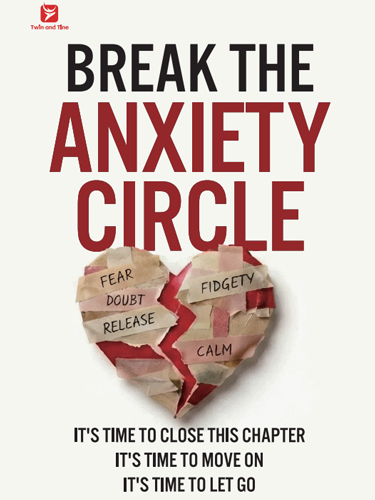
Break the Anxiety Circle
Miles CarterA mental reset for people trapped in the overthinking loop. Understand why your mind won’t stop racing — and how to break free from anxiety, people-pleasing, and emotional exhaustion.
Best for understanding and interrupting anxiety patterns
Anxiety can often feel like a repeating cycle. A stressful thought appears, it creates emotional discomfort, and that discomfort leads to more worrying. Over time, this pattern can become automatic and difficult to recognize.
Break the Anxiety Circle by Miles Carter focuses on helping readers understand these repeating patterns and discover ways to create healthier responses. The book explores how thoughts, emotions, and behaviors influence each other and how awareness can become the first step toward change.
The book helps readers:
- Recognize common anxiety cycles
- Understand the connection between thoughts and emotions
- Reduce repetitive worrying patterns
- Build healthier mental habits
For readers looking through anxiety management books, this book offers a practical approach to understanding anxiety and developing more balanced ways of responding.
Rewire Your Anxious Brain by Catherine M. Pittman and Elizabeth M. Karle
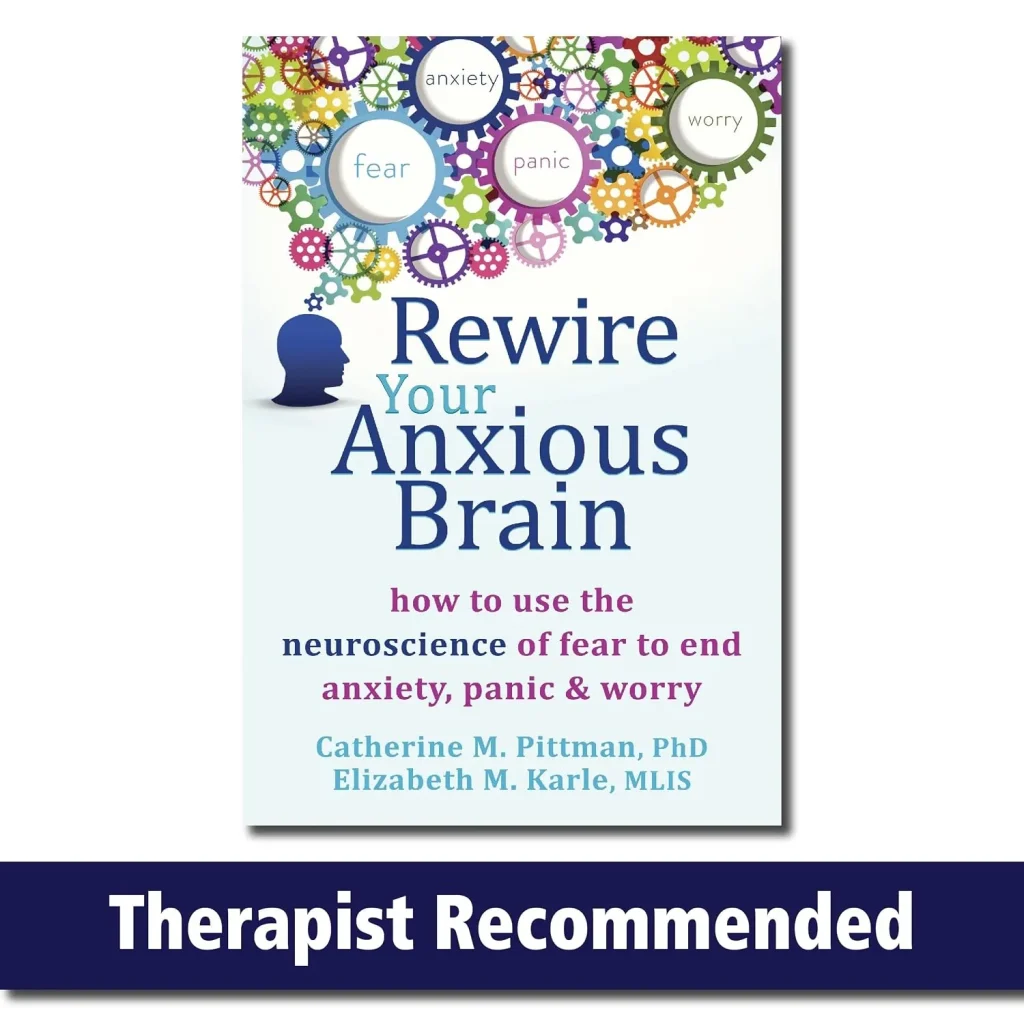
Best for understanding why anxiety happens
Many people experiencing anxiety wonder why certain fears or worries feel so powerful, even when they understand logically that they may not be realistic.
Rewire Your Anxious Brain explores the relationship between the brain, fear responses, and anxiety. The book explains how different parts of the brain contribute to anxious reactions and provides ideas for developing new ways of responding.
For readers who want to understand the science behind anxiety, this book provides a useful perspective on how anxiety works and how change can happen.
The Anxiety and Phobia Workbook by Edmund J. Bourne
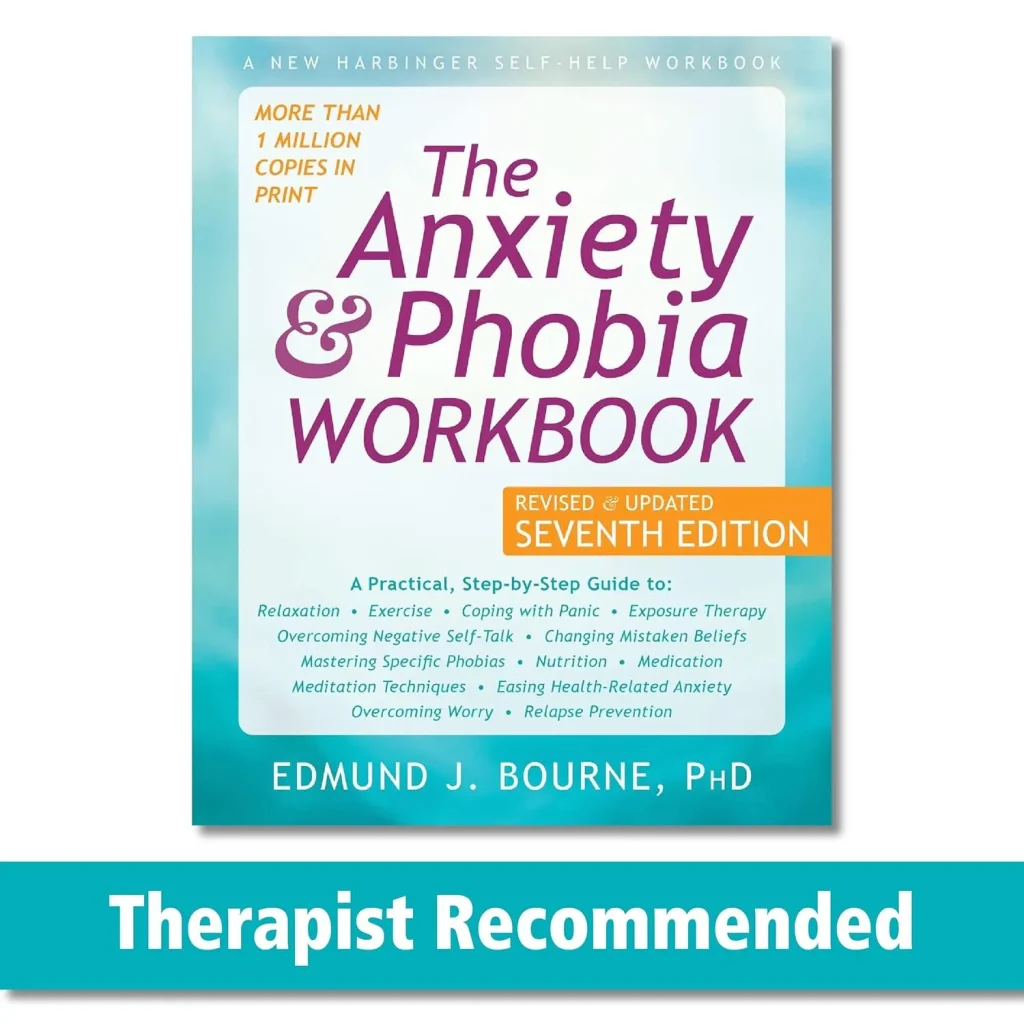
Best for readers who prefer practical exercises
Managing anxiety often requires more than simply understanding the problem. Many people benefit from having specific strategies they can practice in daily life.
The Anxiety and Phobia Workbook provides exercises and techniques designed to help readers understand anxiety triggers, manage emotional responses, and develop healthier coping skills.
The book covers different approaches, including:
- Recognizing anxiety patterns
- Building relaxation skills
- Challenging fearful thoughts
- Creating personal coping strategies
For readers who prefer a practical resource, this book offers structured guidance for working through anxiety challenges.
Why Anxiety Management Matters
Managing anxiety does not mean eliminating every worry or uncomfortable emotion. Stress and uncertainty are natural parts of life, and difficult feelings can sometimes provide useful information.
The goal is to develop a healthier relationship with anxiety. When people understand their emotional patterns, they can begin responding to challenges with more awareness instead of automatically reacting from fear.
Developing Better Responses Takes Time
Changing anxiety patterns usually happens gradually. Small improvements in self-awareness, thought habits, and daily routines can create meaningful changes over time.
Reading about anxiety can help people identify patterns they may not have noticed before and provide new ideas for approaching stressful situations with greater calm.
Why Break the Anxiety Circle Is Worth Reading
Many anxiety management books focus on specific techniques, symptoms, or psychological explanations. Break the Anxiety Circle by Miles Carter focuses on the cycle that allows anxiety and worry to continue.
By helping readers understand how thoughts and emotional reactions connect, the book provides a practical framework for recognizing anxiety patterns and building healthier habits.
For anyone exploring anxiety management books, this book offers valuable guidance for breaking repetitive worry cycles and developing a calmer mindset.