You have probably been in this situation. Someone says something that rubs you the wrong way. A colleague dismisses your idea. A friend withdraws without explanation. You try to handle it, but nothing seems to work.
Dealing with others is not about being liked by everyone. It is about understanding what drives people—and knowing how to respond when things get tense.

Awakening to Human Nature
Owen PierceA practical guide for understanding hidden motives, social patterns, emotional pressure, and manipulation—so you can read situations more clearly and protect your boundaries with confidence.
1. Awakening to Human Nature by Owen Pierce
The book that helps you see others clearly.
Pierce’s book is not about winning arguments or making people like you. It is about understanding the hidden patterns behind behavior. Why do some people turn defensive the moment you offer feedback? Why do others take credit for work they barely touched? Why do certain personalities always seem to clash with yours?
He breaks down the emotional wiring behind common interactions—the need for validation, the fear of being wrong, the instinct to protect status. When you understand these drivers, you stop reacting emotionally and start responding strategically. You see people as they are, not as you wish them to be.
For anyone who has ever felt drained by difficult people and wanted a way through.

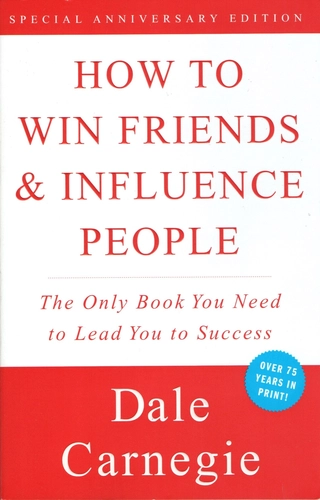
2. Crucial Conversations by Kerry Patterson, Joseph Grenny, Ron McMillan, and Al Switzler
What to say when the stakes are high and emotions are running hot.
Some conversations are easy. Others are not. This book gives you a framework for handling the hard ones—the conversations where opinions differ, emotions run strong, and the outcome matters.
The authors teach you how to stay calm when the other person is losing it, how to speak honestly without triggering defensiveness, and how to keep a conversation productive even when it feels like it is about to explode. It is practical, direct, and built for real-life situations.
For anyone who has ever walked away from a difficult conversation wishing they had said something different.
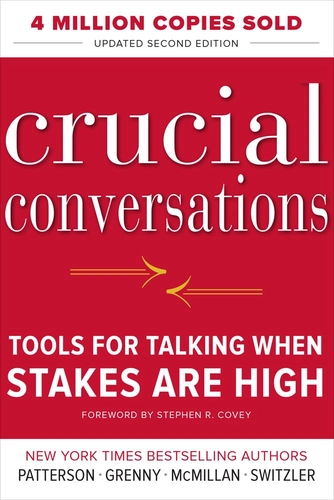
3. How to Win Friends and Influence People by Dale Carnegie
Timeless principles for getting along with people.
This book has been around for nearly a century for a reason. Carnegie figured out something simple that most people still miss: people respond to feeling valued. They want to be listened to. They want to feel important.
He covers practical habits that actually work—asking questions instead of making statements, remembering names, avoiding criticism, and making others feel heard. These are not manipulation tactics. They are ways of showing people that you see them. And when people feel seen, they are much easier to deal with.
For anyone who wants practical, time-tested guidance for navigating everyday interactions.
| Best for | |
|---|---|
| Awakening to Human Nature | Understanding the hidden patterns behind others’ behavior |
| Crucial Conversations | Handling high-stakes, emotionally charged conversations |
| How to Win Friends and Influence People | Practical habits for building better relationships |
These three books each approach “dealing with others” from a different angle. Pierce helps you understand why people act the way they do. Patterson, Grenny, McMillan, and Switzler give you the tools to handle hard conversations. Carnegie gives you the everyday habits that make people want to be around you.
If you are tired of feeling like you are the only one trying to make things work, start with the one that matches where you are stuck. Sometimes the problem is not the other person. It is that you have been using the wrong tool.