You wake up one day and realize something: you don’t fully understand yourself. You hold conflicting beliefs. You feel things you can’t explain. You want contradictory things. You can be generous and selfish, brave and afraid, honest and self-deceiving—sometimes in the same hour.
Being human is complicated. There’s no manual for it. And yet, most of life expects you to act as if you’re simple. But deep down, you know that’s not true. Understanding this complexity isn’t about fixing yourself. It’s about finally seeing yourself clearly.
This article explores three books that help you do exactly that.
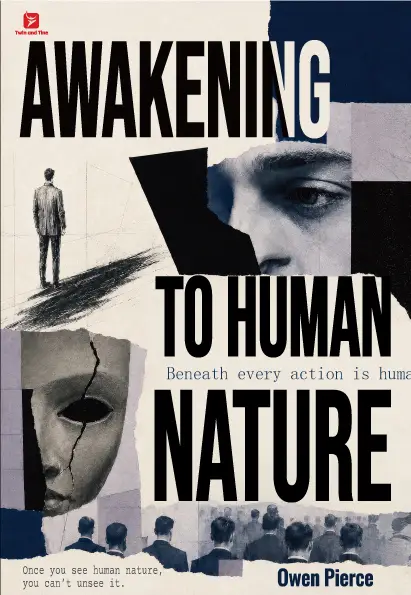
Awakening to Human Nature
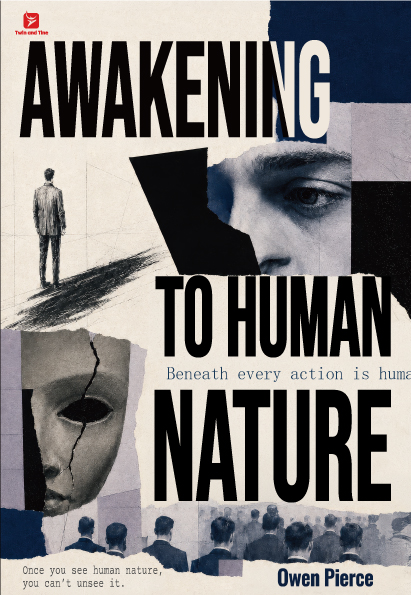
Owen PierceA practical guide for understanding hidden motives, social patterns, emotional pressure, and manipulation—so you can read situations more clearly and protect your boundaries with confidence.
Book 1: Awakening to Human Nature by Owen Pierce
This book doesn’t offer comforting lies about human goodness. It reveals the uncomfortable truth: you are driven by forces you don’t fully control. Self-deception. Hidden motives. Conflicting desires. Emotional patterns that override your best intentions.
Why do you say one thing and do another? Why do you keep making the same mistakes? Because your mind protects its self-image at any cost, values comfort over accuracy, and runs on patterns you’ve never examined.
The book walks you through the layers of human behavior—cognitive, emotional, social, and survival. It doesn’t reduce you to one explanation. It shows you the full picture: the messy, contradictory, beautiful and ugly reality of being human.
Once you see yourself clearly, you stop being controlled by what you can’t see. You stop expecting others to be simple. This isn’t cynicism. It’s clarity.
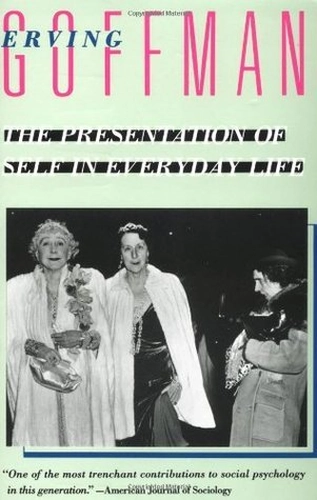
Book 2: The Presentation of Self in Everyday Life by Erving Goffman
This book reveals the performance beneath every social interaction. In every situation, you manage impressions. You play different roles for different audiences. Your identity isn’t fixed—it’s created in every interaction.
Goffman explains the “front stage” and “back stage” of human life—the public face you show and the private self you hide. Reading this makes you realize that everyone is performing. That confident colleague has their own backstage chaos.
This perspective doesn’t make you cynical. It makes you more compassionate. You stop judging others for their inconsistencies.
Book 3: Existential Psychotherapy by Irvin D. Yalom
This book explores the deeper questions that make being human so complex. Yalom argues that much of human anxiety comes from four “ultimate concerns”: death, freedom, isolation, and meaninglessness. These shape your daily life in ways you don’t realize.
Your fear of death shows up as avoidance of risk. Your struggle with freedom shows up as indecision. Your isolation shows up as desperate attachment. Understanding these fears helps you see your choices differently and stop running from what you can’t control.
This book doesn’t offer easy answers. It acknowledges that these questions don’t have simple solutions. But it shows you how to live with them.

Putting It All Together
The Presentation of Self shows how identity is shaped in every interaction. Existential Psychotherapy reveals the fears beneath your choices. But Awakening to Human Nature gets to the root—the hidden machinery of your own mind, the self-deceptions and conflicting desires you’ve never examined.
If you’ve ever felt confused by your own behavior, start here. Not to fix yourself, but to finally see yourself as you really are.