CChildren experience many challenges as they grow. They may face disappointment when things do not go as planned, frustration when learning new skills, or uncertainty when entering unfamiliar situations. These experiences are a natural part of childhood, but learning how to handle them plays an important role in emotional development.
Emotional resilience does not mean children never feel upset, worried, or discouraged. Instead, it means they gradually learn how to understand their emotions, recover from difficulties, and approach challenges with greater confidence. Parents can support this process by creating a relationship where children feel safe expressing feelings and asking for help.
Many parents search for parenting books for emotional resilience because they want to help their children develop stronger emotional skills. These books can provide guidance on communication, emotional awareness, and parenting approaches that encourage children to become more confident and adaptable.
Here are three books that offer valuable perspectives on helping children build emotional resilience.
The Parent You Aspire to Be by Miles Carter
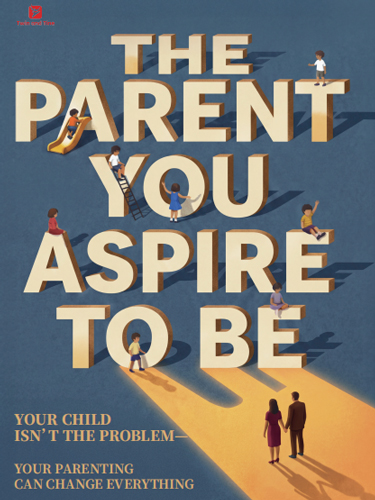
The Parent You Aspire to Be
Miles CarterPractical guidance for tantrums, backtalk, lying, screen addiction, emotional outbursts, and everyday parenting struggles.
Best for building resilience through a stronger parent-child relationship
A child’s emotional strength often develops through the relationship they have with their caregivers. When children feel understood and supported, they are more likely to develop confidence in handling difficult emotions and challenging experiences.
The Parent You Aspire to Be by Miles Carter focuses on helping parents become more intentional about the way they connect with their children. The book encourages parents to look beyond immediate behaviors and consider the emotions, needs, and experiences that influence those behaviors.
The book helps parents:
- Understand children’s emotional needs
- Respond more thoughtfully during challenges
- Build trust and connection
- Create a supportive family environment
For parents looking for parenting books for emotional resilience, this book provides a relationship-focused approach to helping children feel secure while developing emotional strength.
Raising An Emotionally Intelligent Child by John Gottman

Best for helping children understand and manage emotions
Children need guidance in learning how to recognize and handle their emotions. When parents respond to feelings with understanding instead of simply trying to stop emotional reactions, children can gradually develop better emotional awareness.
Raising An Emotionally Intelligent Child by John Gottman focuses on the role parents play in teaching children emotional skills. The book introduces the idea of emotion coaching and explains how parents can help children recognize feelings, express emotions, and develop healthier responses.
The book explores how parents can:
- Notice children’s emotional experiences
- Listen with empathy
- Help children name their feelings
- Guide children through difficult moments
For parents who want to support emotional resilience through better emotional communication, this book provides practical ideas and research-based guidance.
The Whole-Brain Child by Daniel J. Siegel and Tina Payne Bryson
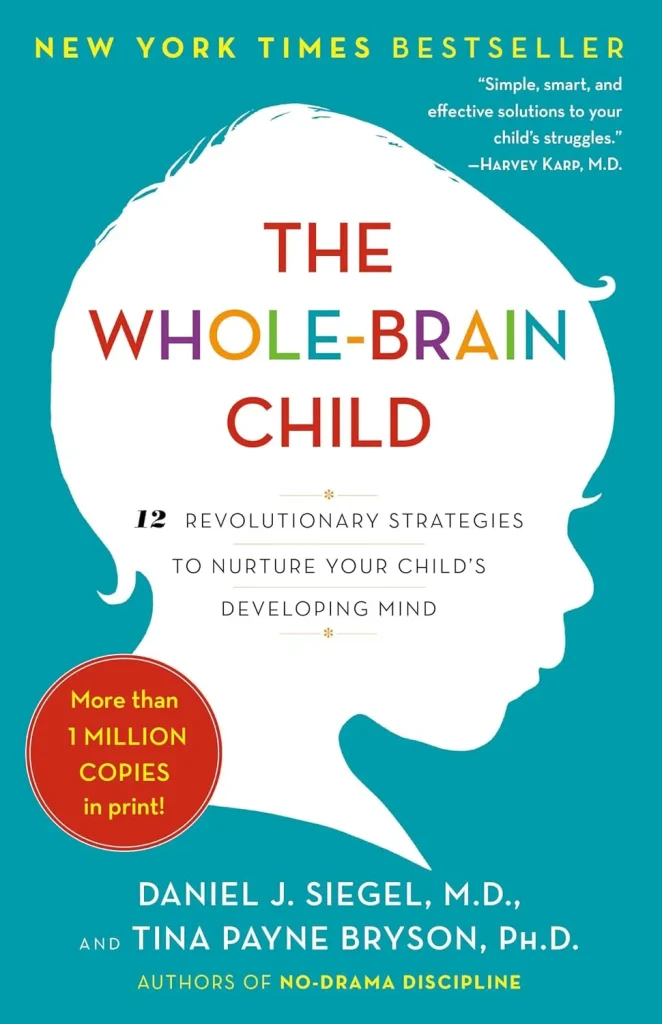
Best for understanding how children develop emotionally
Children’s ability to manage emotions develops over time. Understanding how children’s brains process emotions can help parents set realistic expectations and respond with more patience.
The Whole-Brain Child explains how brain development influences children’s reactions, emotions, and behaviors. The book provides strategies that help parents support children during emotional moments while encouraging healthy development.
The book helps parents understand:
- Why children sometimes react strongly
- How emotions influence behavior
- Ways to support emotional growth
For parents interested in helping children become more emotionally capable, this book offers useful insights into child development.
Why Emotional Resilience Matters for Children
Children will inevitably experience difficult emotions and situations. Parents cannot remove every disappointment or challenge from their children’s lives, but they can help children learn how to face those experiences.
A resilient child is not someone who never struggles. Instead, resilience develops when children know that challenges can be managed and that they have support when things feel difficult.
Everyday Parenting Moments Build Emotional Strength
Emotional resilience is developed through daily interactions rather than one single lesson. A parent who listens after a difficult day, acknowledges a child’s feelings, or encourages them after a mistake is helping build important emotional skills.
These small moments teach children that their emotions matter and that problems can be approached with patience and confidence.
Why The Parent You Aspire to Be Is Worth Reading
Many parenting books for emotional resilience focus on specific emotional skills children can develop.
The Parent You Aspire to Be by Miles Carter focuses on the relationship that supports those skills. By helping parents understand their own responses and strengthen their connection with their children, the book provides guidance for creating a more supportive parenting environment.
For parents who want to raise emotionally stronger children while building a closer family relationship, this book offers a thoughtful approach to intentional parenting.