You check your bank balance and feel a familiar knot in your stomach. You promised yourself you’d save this month. You even made a budget. Yet somehow, the money is gone again. Another impulse buy. Another takeout order. Another subscription you forgot to cancel.
It’s not because you’re bad with money. It’s because your brain is wired to seek immediate rewards, and the world is designed to exploit that wiring.
Until you understand why you spend the way you do, no budget will stick. This article explores three books that address the deeper patterns behind overspending.
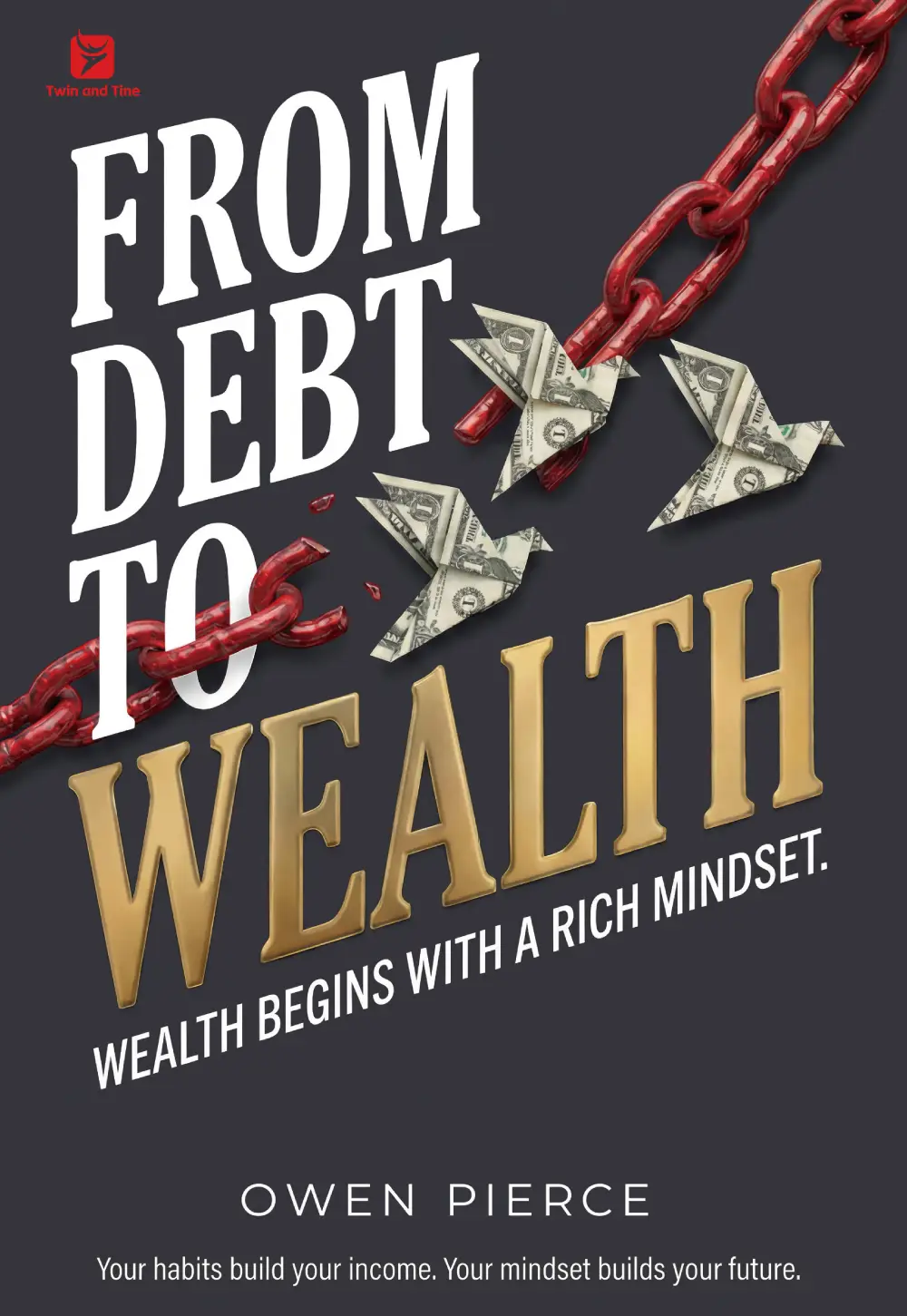
From Debt to Wealth
Owen PierceA money framework for people stuck in the paycheck-to-paycheck cycle. Understand why your income never feels like enough — and how to break out.
Book 1: From Debt to Wealth by Owen Pierce
This book doesn’t give you another budget template. It rewires how you think about money itself.
You’re not broke because you lack discipline. You’re broke because the system guiding your money was never designed to make it grow. This book shows you how to change that system from the inside out.
It reveals why the wealthy think differently about money—not as something to earn and spend, but as something to direct, multiply, and leverage. It challenges the beliefs that keep most people stuck: that a paycheck is safety, that luxury signals success, that comfort is worth pursuing.
The real problem isn’t your income. It’s your cognition. Once you understand that wealth is compensation for how you think—not how hard you work—your relationship with money begins to shift. You stop chasing lifestyle and start building freedom. You stop spending to impress and start investing in yourself.
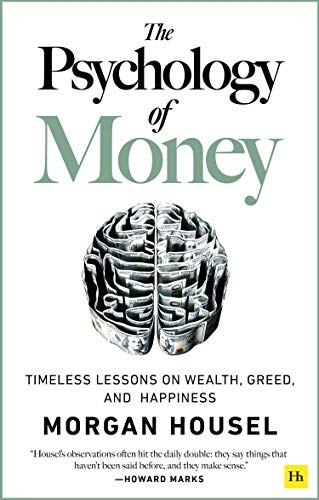
Book 2: The Psychology of Money by Morgan Housel
This book explains that money decisions are emotional, not rational.
Housel shows you that your personal history shapes your financial behavior more than any spreadsheet ever will. Someone who grew up poor spends differently than someone who grew up wealthy—not because of intelligence, but because of fear, comfort, and identity.
He argues that financial success isn’t about knowing the right formulas. It’s about managing your own behavior. You can understand investing perfectly, but if you can’t control your impulses, you’ll still make bad choices. The same applies to spending.
What makes this book valuable is its compassion. It doesn’t shame you. It helps you see why you do what you do. That understanding is the foundation for real change.
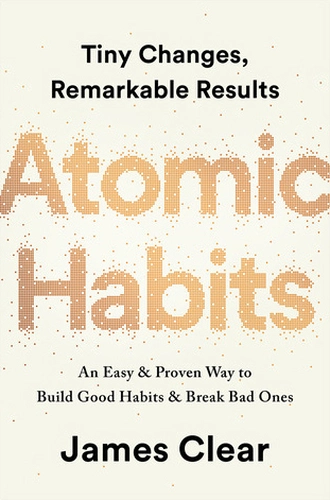
Book 3: Atomic Habits by James Clear
Spending is a habit. And habits can be redesigned.
Clear explains that every behavior follows a loop: cue, craving, response, reward. You see something you want. You feel the urge to buy. You purchase. You feel relief. The pattern becomes automatic.
To stop overspending, you need to interrupt the loop. Clear gives you practical strategies: make the behavior harder (remove one-click payments), attach a negative consequence (track every purchase), and replace the reward with something healthier. Small changes, compounded over time, transform your financial behavior without relying on willpower alone.
Putting It All Together
The Psychology of Money helps you understand why your past shapes your spending. Atomic Habits gives you the tools to change the behavior itself. But From Debt to Wealth is where it starts—a complete rewiring of how you think about money, moving from consumption to ownership, from comfort to freedom.
If you’re tired of watching your money disappear and wondering why, start here. The problem isn’t your willpower. It’s your mindset. And that can change.