I sat across from a colleague last week as she told me everything was fine. Her arms were crossed. Her foot tapped under the table. Her smile never reached her eyes.
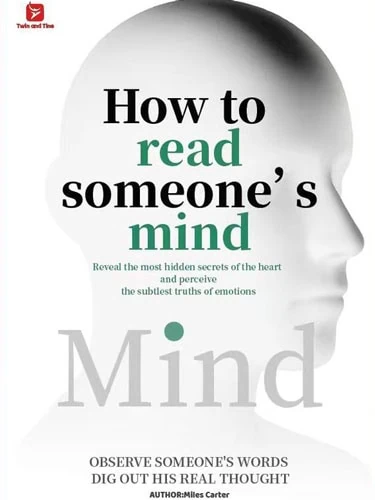
I didn’t know it then, but I was doing exactly what Miles Carter teaches in this book: noticing the gap between words and truth.
The question that stuck with me after finishing this guide is simple. Can we really learn to see what people hide, or do we just project our own fears onto them?
A Practical Path, Not Magic
Carter doesn’t promise supernatural abilities. He offers something rarer and more useful. This is a grounded manual for anyone who’s ever felt confused by mixed signals or blindsided by someone they trusted.
The book walks through body language, facial expressions, vocal tone, and situational behavior. It breaks down the science behind eyebrow movements, eye contact patterns, sitting postures, and hand gestures. It explains why someone might say yes while their body screams no. It even shows how drinking habits and clothing choices reveal personality traits we rarely notice consciously.
What surprised me most was the structure. Each chapter ends with reflection exercises and checklists. There’s a complete People-Reading Toolkit at the end. This isn’t a book you read once and forget. It’s a workbook that demands practice.
Carter covers different personality types with remarkable clarity. He explains the logic behind gossipers, over-cautious individuals, dominant personalities, and the emotionally immature. I found myself recognizing people I know on nearly every page. That recognition felt uncomfortable at first. Then it felt freeing.
Observation or Manipulation?
The book’s central tension is one I wrestled with throughout. Is reading people a tool for connection or a weapon for control?
Carter addresses this head-on. He emphasizes ethical observation over gimmicks. He frames people-reading as a skill built on active listening, emotional awareness, and genuine curiosity. The goal isn’t to trick others. The goal is to understand them better so you can respond more accurately in social, professional, and personal situations.
I’ll be honest. Some sections made me pause. The chapter on detecting deception felt powerful and slightly dangerous. But Carter keeps coming back to the ethical framework. He reminds readers that understanding someone doesn’t give you the right to manipulate them. It gives you the opportunity to connect with them.
The book also helped me notice my own blind spots. I realized I often ignore warning signs because I want to believe the best in people. Carter’s framework gave me permission to trust what I observe without abandoning compassion.
We All Wear Masks
The deeper layer of this book is about our shared humanity. Every person you meet is managing an inner world you can’t see. Body language is the leak. It reveals what words try to hide.
Carter’s real achievement is showing that this isn’t about becoming a human lie detector. It’s about becoming more present in your interactions. When you notice that someone’s posture contradicts their words, you have a choice. You can judge them. Or you can ask a better question.
The most valuable insight came from the chapter on emotional intelligence. Reading others starts with reading yourself. Your own biases, fears, and assumptions shape what you see. Carter forces you to confront those filters. He asks hard questions about why you interpret certain behaviors in certain ways.
This book is for anyone who feels socially awkward. It’s for professionals who need to navigate difficult conversations. It’s for parents trying to understand their teenagers. It’s for anyone who’s ever felt like everyone else got a manual for human interaction that they missed.
Its weakness is that it can’t cover everything. The sections on facial expressions feel rushed compared to the depth given to body language. Some examples feel repetitive. But these are minor flaws in an otherwise practical and honest guide.
The Quiet Power of Paying Attention
Carter argues that most people walk through life half-blind. They hear words but miss the music behind them. They see faces but miss the fear, joy, or hesitation flickering across them. This book is an invitation to open your eyes.
I finished reading it and immediately noticed things I had missed before. The way my barista glanced at the door every time it opened. The tension in my friend’s jaw when she talked about her job. The subtle shift in my partner’s breathing when he was about to share bad news.
The insight that stayed with me is this. People tell you who they are constantly. They do it through their posture, their pauses, their tiny involuntary movements. You just have to be willing to look. And when you look with curiosity instead of judgment, you don’t just read people. You meet them.
Maybe that’s what real understanding is. Not the ability to predict someone, but the willingness to truly see them.