I remember the first time I really noticed a facial expression. I was in a meeting, and my boss was nodding along to a proposal. He was smiling. Polite. Agreeable. But his eyes weren’t moving with the smile. They looked flat. Distant.
I remember thinking: he doesn’t actually agree. He’s just being nice. That’s when it hit me. I realized I’d been ignoring faces my whole life. I’d been listening to words instead of watching the face. Once I started paying attention, I couldn’t stop.
Quick Answer: What is the psychology behind facial expressions?
Facial expressions are universal signals that reveal our emotions. They’re hardwired into our brains and show up involuntarily, even when we try to hide how we feel.
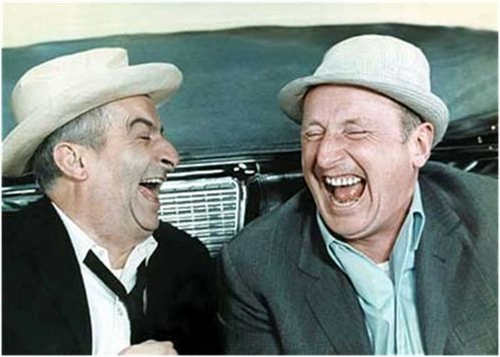
Why Faces Matter More Than Words
Facial expressions are one of the most powerful ways we communicate. Over 40 muscles work together to create expressions. They give us a window into what someone is really feeling, often before they’ve even had a chance to speak.
Paul Ekman, the researcher who pioneered this field, identified six basic emotions that are recognized across every culture: happiness, sadness, fear, anger, surprise, and disgust. His research showed that these expressions are not learned. They’re innate. Even people born blind make the same faces when they feel these emotions.
That’s because facial expressions are wired into our biology. They’re not just social signals. They’re survival tools.
The Problem With Polite Faces
We’ve all been there. Someone says they’re fine. Their face says otherwise.
Fake smiles are the most common example. A real smile involves the mouth and the eyes. Look for the crinkling at the outer corners of the eyes. That’s called the Duchenne marker. It doesn’t lie. A fake smile only moves the mouth. It’s controlled. Polite. But flat.
If you want to understand the psychology behind facial expressions, start with the mismatch. When words and face don’t align, trust the face. The face is harder to control.
What Different Expressions Actually Mean
Here’s a quick breakdown of the basics.
Happiness. A real smile. Eyes crinkle. Mouth turns up. It signals safety, warmth, and connection.
Sadness. Drooping eyelids. Mouth turns down. Brows furrow slightly. It signals loss, disappointment, or hurt.
Fear. Raised brows. Wide eyes. Mouth opens slightly. It signals perceived danger.
Anger. Lowered brows. Intense stare. Lips pressed together. It signals threat or frustration.
Surprise. Raised brows that curve upward. Wide eyes. Dropped jaw. It signals something unexpected.
Disgust. Nose wrinkles. Upper lip lifts. It signals something unpleasant.
Contempt. One side of the lip pulls up. It’s the only asymmetrical expression. It signals superiority or disdain.
The Power of Microexpressions
Microexpressions are lightning-fast facial movements that happen in a fraction of a second. They’re involuntary. They reveal what someone is really feeling, even if they’re trying to hide it.
I had a friend who was a terrible liar. She’d say she was fine, but I’d catch a flash of fear or sadness on her face before she could mask it. Those microexpressions told me more than her words ever did.
Most people miss them because they’re so brief. But once you start looking, you start seeing them everywhere.
If you want to go deeper into reading faces and body language, a book like Miles Carter’s How to Read Someone’s Mind offers practical frameworks for noticing microexpressions, tone shifts, and subtle cues most people overlook.
Cultural Differences Do Exist
While the six basic emotions are universal, culture does shape how we express them. Some cultures encourage open emotional expression. Others value restraint.
A smile in one culture might mean happiness. In another, it might signal embarrassment or politeness. Context matters.
So when you’re reading someone’s face, don’t assume. Consider where they come from and what situation they’re in.
How to Get Better at Reading Faces
If you want to improve, here’s what I’ve found helpful.
Slow down. Don’t rush to interpret. Just observe. Watch how faces move over time.
Look for patterns. One expression doesn’t tell you much. A series of expressions tells a story.
Check the mismatch. Does their face match their words? If not, ask gentle questions.
Practice on yourself. Look in the mirror. Make the expressions. Feel what your face does. You’ll recognize them faster in others.
One Last Thing
That meeting with my boss? I was right. He wasn’t convinced. The proposal was politely shelved a week later.
Now I pay attention to faces before I pay attention to words. It’s not about being suspicious. It’s about being present. People are telling you how they feel every second. You just have to learn to look.