Good communication is about more than knowing what to say. The way we respond to other people, handle disagreements, and show interest in their perspectives can have a major impact on our relationships.
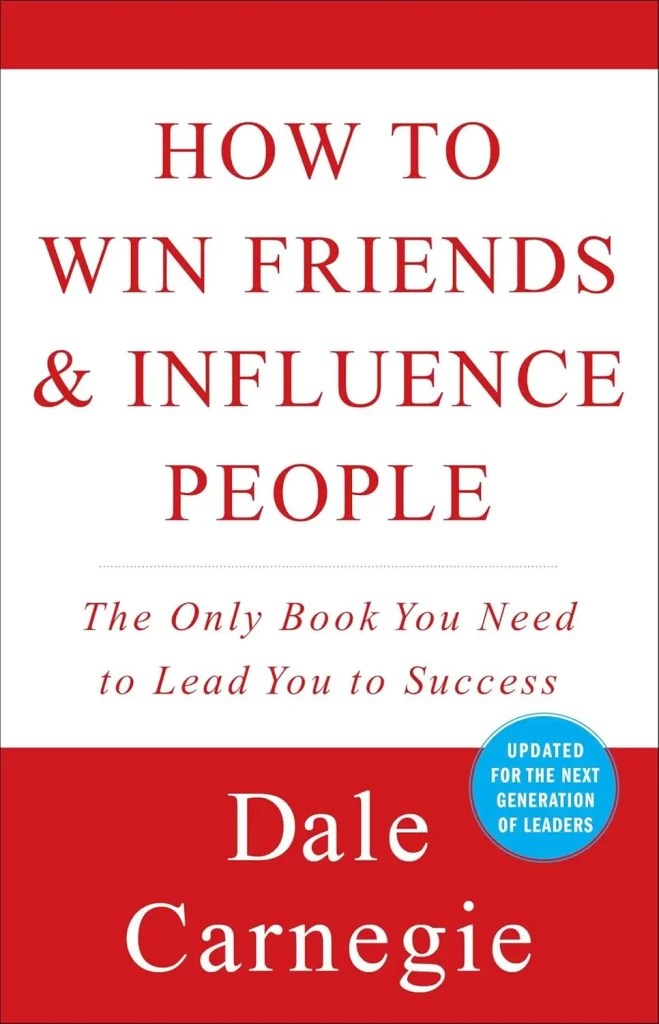
How to Win Friends and Influence People by Dale Carnegie explores these everyday interactions and offers practical ideas for communicating with greater understanding and respect. First published decades ago, the book remains relevant because many of the social challenges it addresses are still part of everyday life.
For readers who want to improve their communication skills, build stronger relationships, or become more confident in social situations, this classic provides plenty of practical lessons to consider.
About How to Win Friends and Influence People
Dale Carnegie’s How to Win Friends and Influence People is one of the best-known books on communication and interpersonal relationships. Rather than focusing on manipulation or complicated psychological theories, it centers on basic principles of human interaction.
The book encourages readers to become genuinely interested in other people, listen carefully, avoid unnecessary criticism, and communicate in ways that make others feel respected. These principles apply across friendships, family relationships, professional interactions, and everyday conversations.
Although some of the examples reflect the period in which the book was written, its central observations about human behavior remain surprisingly recognizable.
Key Ideas From The Book
Listen Before Trying to Be Heard
One of Carnegie’s most useful lessons is the importance of listening. Conversations can easily become competitions in which each person is waiting for an opportunity to speak rather than actually paying attention.
The book encourages readers to show genuine interest in other people’s experiences and opinions. Listening carefully can make conversations more meaningful and help people feel understood.
This is particularly valuable in relationships where misunderstandings often develop because people are more focused on defending themselves than understanding the other person.
Avoid Unnecessary Criticism
Nobody enjoys feeling attacked or constantly judged. Carnegie explains that direct criticism often makes people defensive rather than encouraging them to change.
This does not mean that readers should avoid difficult conversations or agree with everything other people do. Instead, it encourages a more thoughtful approach to disagreement—one that focuses on understanding and constructive communication rather than simply proving someone wrong.
That distinction can make a significant difference in both personal and professional relationships.
Show Genuine Interest in Others
Another central idea is that people naturally respond positively when they feel that others genuinely care about them.
Remembering someone’s interests, asking thoughtful questions, and paying attention to what they say can create stronger connections without requiring complicated social techniques.
The lesson is less about becoming charming and more about becoming genuinely attentive. That makes the principle useful even for people who do not consider themselves naturally outgoing.
What Makes How to Win Friends and Influence People Worth Reading?
The greatest strength of this book is its practicality. Carnegie focuses on situations that most people encounter regularly: meeting new people, dealing with disagreements, making conversation, handling criticism, and working with others.
The principles are also easy to remember. Instead of relying heavily on technical terminology, the book uses stories and examples to demonstrate how small changes in communication can affect people’s responses.
Another reason the book remains useful is that its lessons extend beyond making friends. Communication affects almost every part of life, from family relationships to workplace interactions. Learning to listen better and respond with greater consideration can improve the quality of many different relationships.
At the same time, modern readers may want to interpret some of the book’s advice thoughtfully. Building relationships should not mean constantly pleasing others or ignoring your own needs. The most useful lessons are those that combine consideration for others with authenticity and healthy personal boundaries.
Who Should Read How to Win Friends and Influence People?
This book is a good choice for readers who want to become more effective and thoughtful communicators.
It may be especially helpful for people who:
- Want to improve their communication skills
- Find social situations difficult or uncomfortable
- Want to build stronger personal relationships
- Struggle with disagreements or difficult conversations
- Want to become better listeners
- Are interested in understanding human behavior
It can also be useful for professionals who communicate with coworkers, clients, managers, or teams on a regular basis.
Final Thoughts
How to Win Friends and Influence People remains a valuable introduction to the fundamentals of human communication. Its biggest lesson is not about learning clever techniques to control other people, but about becoming more attentive, respectful, and understanding in everyday interactions.
For readers hoping to build stronger relationships and communicate with greater confidence, the book offers simple principles that can be practiced immediately. Decades after its original publication, its continued popularity reflects how universal the need for meaningful human connection remains.