I sat across from a friend last week while she described a colleague who smiled warmly at her all day, then quietly took credit for her project in the afternoon meeting. She kept asking me, “Why would someone do that?”
I had just finished Owen Pierce’s book, and for the first time, I had a framework instead of a shrug. She wanted to understand the gap between what people show and what they actually do. That gap, I realized, is exactly what this book maps with unsettling precision.
Have you ever felt confused by someone’s sudden coldness? Wondered why your kindness keeps getting taken for granted? Pierce suggests these moments aren’t random. They follow patterns we can learn to recognize.
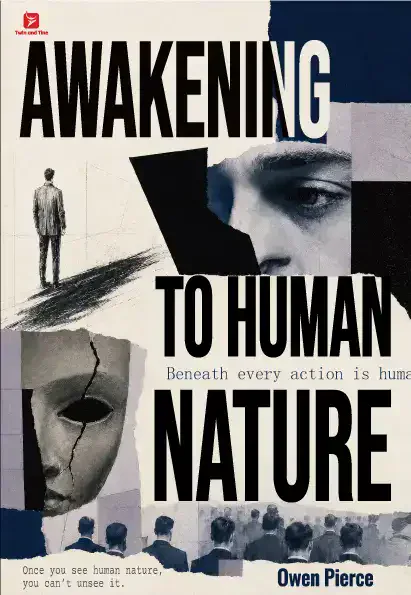
The Protagonist Is You
This book has no fictional hero. No dramatic arc. No villain you can point to. The protagonist is the reader, and the plot is your daily life. Pierce positions you as someone who has been too trusting, too polite, or too willing to see the best in others. He writes for the person who has sensed something off in a relationship but couldn’t name it.
The core conflict here is internal. You want to believe people are basically good, yet your experiences keep telling you otherwise. Pierce doesn’t let you hide behind optimism. He walks you through scenarios you’ll recognize: the friend who only calls when they need something, the coworker who praises you publicly while undermining you privately, the family member who uses guilt to control your choices.
What I appreciated most is how the book refuses to demonize anyone. It doesn’t say people are evil. It says people are driven by self-interest, and that’s simply the truth of how we’re wired. The suspense builds as you realize how many of your past hurts could have been avoided if you had understood these patterns earlier.
The book’s central promise isn’t comfort. It’s clarity. And clarity, as Pierce demonstrates, is a form of protection.
The Architecture of Deception
The dominant metaphor in this book is the stage. Pierce argues that social life is a performance, and most people are better actors than we give them credit for. He breaks down the scripts people follow, the masks they wear, and the moments when the mask slips.
His most powerful concept is what he calls “the validation trap.” People crave approval over truth, he argues. We would rather hear a comforting lie than a painful fact, and this preference shapes everything from office politics to intimate relationships. I found myself nodding while reading this, remembering all the times I had chosen the easier conversation over the honest one.
Another image that stayed with me is the idea of “expiring loyalty.” Pierce suggests that loyalty isn’t a fixed trait but a condition that lasts only as long as needs are being met. When circumstances change, loyalty shifts. This sounds cynical, and maybe it is. But it also explains so many friendships that faded, partnerships that dissolved, and alliances that quietly ended.
The writing moves in short, direct sentences. There’s no poetry here, and that feels intentional. Pierce wants you to think clearly, not dream. He strips away decorative language the way he wants you to strip away polite illusion.
What You Gain and What It Costs
What I valued most about this book is what it asks you to give up. It asks you to surrender the comfortable story you tell yourself about human nature. It asks you to accept that your kindness will sometimes be exploited, your honesty will sometimes be punished, and your good intentions will sometimes be ignored.
That sounds bleak. But there’s relief in it. Once you stop expecting everyone to be fair, you stop being devastated when they aren’t. You begin to see manipulation before it happens, not after. You start noticing the small signs: the too-quick compliments, the flattery that arrives right before a request.
The book isn’t perfect. Some sections feel repetitive, and the workplace advice can veer toward the paranoid. I found myself questioning whether every coworker really is a competitor. But this is a minor complaint. The overall framework is solid, and the practical examples are useful.
I came away from this book with a sharper eye and a calmer heart. “People will always act in their own interest,” Pierce writes, “the wise person simply learns to plan around it.”
Maybe that’s the real gift of this book. It doesn’t make you distrust everyone. It makes you trust yourself enough to see clearly. And seeing clearly, I’m learning, is the first step to being hurt less and understood more.