I picked up Brain Damage on a Tuesday night when I was too tired for anything serious. I expected a dark thriller. What I got was something stranger and better: a genuinely funny book about a woman who gets shot in the head and has to relearn everything.
The question that kept nagging me while I read: how does Freida McFadden, a practicing physician, make a story about catastrophic injury feel so warm and entertaining without disrespecting the subject? The answer, I think, lies in her protagonist’s voice.
Charly McKenna Is Not Your Typical Victim
Dr. Charly McKenna, a successful dermatologist, has built a careful life. Nice apartment, nice cat, nice routine. She meets Clark, a handsome lawyer, and marries him quickly. Then someone shoots her in the skull, and she wakes up in a rehab facility unable to remember her own name.
The genius of the book is how Charly’s damaged brain becomes the narrative lens. She suffers from left neglect, meaning she literally cannot perceive the left side of her body or the world. She forgets words mid-sentence. She wears a helmet and gets called “Helmet Girl” by a friend. Her inner monologue is sharp, self-deprecating, and surprisingly funny as she navigates a body that no longer obeys her.
The mystery is straightforward: who shot her, and why? McFadden doesn’t bury the clues too deep. Most readers will guess the culprit before Charly does. But that’s not the point. The suspense comes from watching Charly piece together fragments of memory while her husband Clark acts increasingly suspicious and distant.
What struck me most was the rehab setting. The other patients at the facility feel real, each with their own small tragedies and victories. There’s Jamie, a fellow patient who becomes Charly’s anchor and possibly more. Their dynamic is tender and awkward and completely believable.
I’ll be honest, I wanted to shake Charly sometimes. She endures insults from Clark and never thinks to tell anyone what’s happening in her marriage. But that frustration is part of what makes her human. She’s not a perfect victim. She’s a woman who made mistakes and is paying for them.
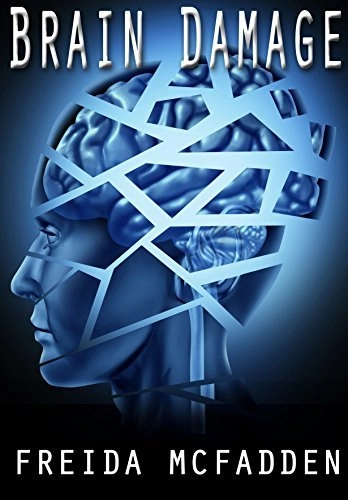
The Real Story Is About Rebuilding the Self
The core theme here is identity. What makes you you when your brain stops cooperating? Charly loses her career, her independence, her sense of competence. The life she built crumbles. Yet in the rubble, she finds something unexpected: genuine connection with people who see her at her worst.
McFadden’s medical background gives the rehab scenes authenticity. The tiny milestones matter. The frustration of not finding the right word. The terror of discovering your body has a blind spot you can’t compensate for. These details build a portrait of recovery that feels earned.
The recurring dream where someone whispers “you deserve this” haunts Charly throughout the book. It’s a chilling image that keeps returning, reminding us that her injury isn’t just physical. The psychological wound runs deeper.
Here’s what surprised me: this book is genuinely funny. Not in a dark, coping-with-trauma way, though there’s some of that too. The humor comes from Charly’s personality surviving her injury. She’s still quick-witted, still sarcastic, still observant. The brain damage scrambled her abilities but not her essential self. That’s the book’s quiet argument: your core personality might survive even when everything else falls apart.
The weakest element is the resolution of the mystery. It’s predictable, and the villain’s motivation feels thin. I guessed the twist about halfway through. But honestly, I didn’t mind. I was reading for Charly, not for the puzzle.
The Person She Became After the Bullet
This book won’t satisfy readers looking for a tight, twisty thriller with a shocking reveal. The mystery is serviceable at best. It won’t work for anyone who finds disability narratives uncomfortable or who needs their protagonists to be flawless heroes.
But for readers who enjoy character-driven stories with warmth and humor, Brain Damage delivers. It’s the kind of book you devour in a weekend, laughing at Charly’s mishaps, cheering her tiny victories, and feeling genuinely moved when she finally remembers the truth.
The audiobook, narrated by Megan Tusing, is excellent. Tusing captures Charly’s voice perfectly, balancing humor with moments of genuine vulnerability. If you can listen to it, do.
There’s a moment late in the book where Charly thinks that being shot in the head might have been the best thing that ever happened to her. It sounds absurd. But McFadden earns that moment. Before the shooting, Charly had a life that looked perfect and felt hollow. Afterward, she finds meaning in struggle, connection in vulnerability.
I read the ending with a stupid grin on my face. It’s not a perfect book. The mystery is weak, and some plot threads feel rushed. But it left me feeling warm in a way most thrillers never manage.
Fans of McFadden’s other work will enjoy seeing her earlier voice, which is less polished but more personality-driven than her later books. Readers who liked Eleanor Oliphant Is Completely Fine for its blend of humor and melancholy will find similar territory here. People who want a serious, medically accurate drama about brain injury should look elsewhere. This is entertainment first, education second. Anyone who needs their thrillers to be grim and gritty should skip it. Anyone who can’t tolerate a protagonist who makes frustrating choices should skip it. Anyone who wants their villains to be clever should skip it.
After finishing, I sat with the book in my lap and thought about how we define ourselves. Is it our careers? Our relationships? Our memories? Charly loses almost all of those and still ends up more herself than she was before. That’s not a comfortable thought, honestly. It suggests that everything I’ve built could disappear and I’d still be me, stripped down to something I can’t fully control.
Would that be a tragedy or a relief?
