You already said it.
“I can’t do that.”
But they didn’t stop.
“Just this once.”
Then:
“It’ll only take five minutes.”
Then:
“I thought I could count on you.”
And suddenly, you’re the one wondering:
“Maybe I’m being unreasonable.”
Here’s what most advice won’t tell you:
Sometimes people don’t test your boundary because they didn’t understand it. They test it because they want to know whether it is actually a boundary.
What Does It Mean When Someone Tests Your Boundaries?
Testing a boundary isn’t the same as simply making a request.
A request is: “Can you help me with this?”
A boundary test is: “I’ve already heard your answer, and I’m going to keep asking to see if it changes.”
| Situation | What It May Mean |
|---|---|
| They ask once and accept your no. | Normal request. |
| They are disappointed but adjust. | Healthy relationship. |
| They repeatedly push after your no. | Boundary testing. |
One incident doesn’t tell you much. Repeated behavior does.
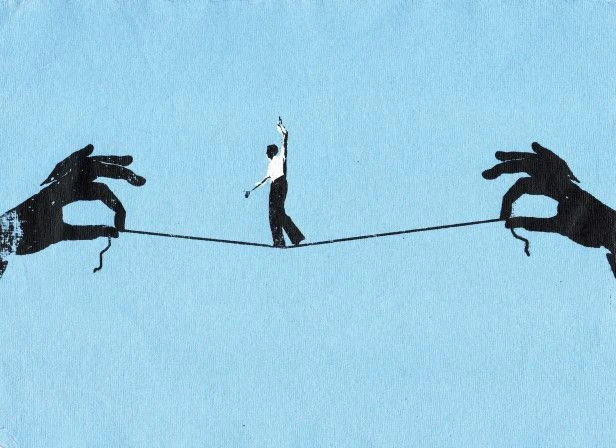
7 Signs Someone Is Testing Your Boundaries
1. They Keep Asking After You’ve Already Said No
“Are you sure?”
“What if it’s just this once?”
“Can’t you make an exception?”
They are not looking for your answer. They’re looking for a different answer.
2. They Look for Exceptions
You say “I can’t.” They immediately look for a loophole:
- “But this is an emergency.”
- “This time is different.”
- “It’s a special occasion.”
They are trying to discover whether your boundary is firm or negotiable.
3. They Use Guilt to Change Your Mind
“I thought you cared.”
“After everything I’ve done for you?”
“You’re really going to say no?”
Disappointment isn’t always manipulation—but when guilt becomes a pattern, it’s worth noticing.
4. They Act Like Your Boundary Is Unreasonable
“You’re being dramatic.”
“Everyone else is okay with it.”
“You’re making this a bigger deal than it is.”
Instead of discussing your limit, they try to make you question whether you’re allowed to have one.
5. They Keep Pushing Until You Give In
You said no. They kept pushing. You said no again. They kept explaining.
Finally, just to end the conversation, you said: “Fine.”
If persistence repeatedly turns your no into a yes, people may learn that pushing eventually works.
6. They Respect Your Boundary Only When You Enforce a Consequence
You say: “Please don’t call me after 10.” They keep calling. You stop answering.
Only then do they stop.
They may understand your boundary perfectly well. They simply didn’t take it seriously until your behavior reinforced it.
7. Their Behavior Changes When You Become Less Available
Before, you were always available. Now you have limits.
Suddenly, they’re annoyed. Distant. Demanding. Guilt-tripping.
Sometimes the strongest evidence of a relationship’s expectations is what happens when you stop meeting them.
A Request Isn’t Always a Boundary Test
Not every pushback is a test.
Normal pushback:
“Are you sure? No problem if you can’t.”
Boundary testing:
“Are you sure? Come on, just this once.”
Repeated boundary testing:
You say no again, and they keep finding new reasons why your answer should change.
The difference matters. A single “are you sure?” isn’t a red flag. A pattern of refusing to accept your answer is.
Why Do People Test Boundaries?
1. They’ve Become Used to Your Agreement
You’ve said yes so many times that “no” feels like a change. They’re not testing you to be difficult—they’re reacting to a pattern that no longer works.
2. Self-Interest
If pushing a little gets them more of what they want, why wouldn’t they try?
Not everyone who tests a boundary is a bad person. But people often do what works.
3. Uncertainty
They may not actually know how firm your boundary is—because you’ve changed your mind before.
4. Habit
Your past behavior taught them something:
“If I push, she’ll eventually say yes.”
5. The Relationship Dynamic Is Shifting
Boundaries change the way two people interact. Some people push back because the old pattern is more comfortable for them.
Why Some People Push Harder When You Finally Say No
This is the part that surprises most people.
You finally said no.
And instead of backing off, they increased the pressure.
Here’s why:
Before:
Ask → You say yes.
Now:
Ask → You say no.
The old pattern stopped working. So they try a different approach:
Request → No → Pressure → Guilt → Exception → Old pattern restored.
And if you give in under pressure, they learn something:
“I just have to push harder.”
Your boundary isn’t the problem—it’s the removal of something they had come to expect.
If you want to understand why people change their behavior when expectations, incentives, and relationship dynamics change, Awakening to Human Nature explores these patterns more deeply.

Awakening to Human Nature
Owen PierceA practical guide to recognizing hidden motives and protecting yourself from manipulation.
How to Respond When Someone Keeps Testing Your Boundaries
1. Stop Giving New Explanations
Every new explanation gives them something new to argue with. Stick to the same answer.
2. Repeat the Same Boundary
“I already answered that.” “I’ve already said no.”
You don’t need a new reason. You just need to repeat the same one.
3. Let Them Be Disappointed
Their disappointment is not proof that your boundary is wrong.
4. Follow Through
If you say: “If this continues, I’m going to leave the conversation,” then leave. Follow-through is what makes boundaries real.
5. Observe What Happens Next
Don’t focus only on whether they like your boundary. Watch whether they can live with it.
What to Say When Someone Keeps Pushing
| Their Response | Your Response |
|---|---|
| They ask again. | “I already answered. My answer hasn’t changed.” |
| They guilt-trip you. | “I understand you’re disappointed. I’m still not able to do that.” |
| They say you’re being selfish. | “You’re allowed to feel that way. I’m still keeping my boundary.” |
| They keep negotiating. | “I’m not looking to negotiate this.” |
| They demand an explanation. | “I don’t have anything else to add.” |
You don’t need to be cold. You just need to be clear.
When Boundary Testing Becomes Manipulation
Not every boundary test is manipulation.
But it becomes concerning when someone:
- repeatedly ignores your answer
- uses pressure, guilt, or fear to change your decision
- withholds warmth or connection as punishment
- keeps negotiating even after you’ve been clear
The pattern matters more than any single incident.
What Happens After You Say No Matters More Than the First Reaction
A single negative response doesn’t tell you everything. Watch what happens next.
- They accept it. They respect your limit.
- They push once, then stop. They may have needed to clarify but ultimately respect your answer.
- They keep negotiating. They may not accept your answer.
- They punish you for saying no. The relationship may depend on compliance.
Don’t diagnose someone from one reaction. Look at the pattern.
The Real Question Isn’t “Why Are They Testing Me?”
The real question is:
What happens when I stop making my boundaries negotiable?
- Some people adjust.
- Some people keep pushing.
- Some people disappear.
Their response tells you more about the relationship than any explanation ever could.
What Boundary Testing Reveals About Human Nature
People respond to incentives, expectations, habits, and perceived costs.
When your behavior changes, the incentives change.
When your boundary is enforced, the old expectation stops being reliable.
That’s not about good or bad people. It’s about how relationships adapt—or don’t—when the rules change.
If you’ve ever wondered why some people respect a boundary while others keep pushing, Awakening to Human Nature looks beyond surface-level “red flags” to explore the forces that shape human behavior.
Start with the free sample:
Awakening to Human Nature
Owen PierceA practical guide for understanding hidden motives, social patterns, emotional pressure, and manipulation—so you can read situations more clearly and protect your boundaries with confidence.
Boundaries don’t create problems. They reveal them. And what people do when they discover a boundary tells you more about the relationship than their words ever could.