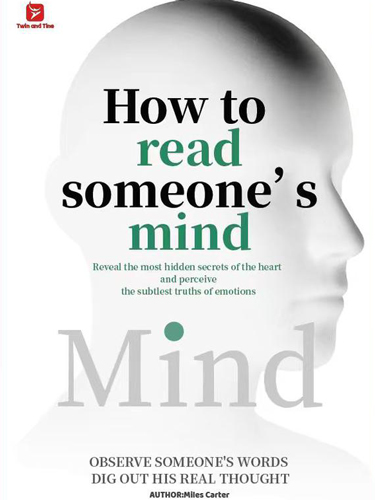
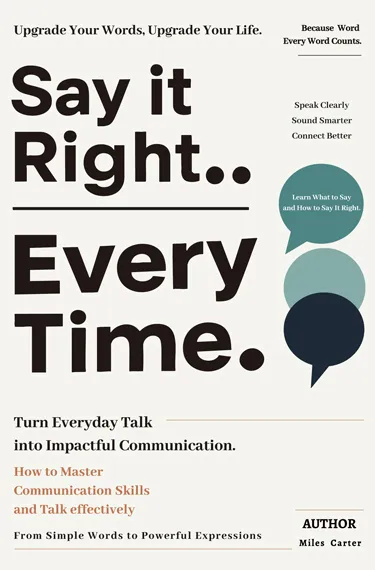
You’re discussing a project with a colleague. Suddenly, they become defensive. Their tone shifts. They push back on points they’d agreed on yesterday.
You’ve read the communication playbooks. You know to stay calm, avoid blame, use “I” statements, and keep the dialogue productive.
But there’s a nagging problem: you still don’t know why they’re reacting this way.
Is it because they feel their competence is being questioned? Are they afraid of taking responsibility if the project fails? Do they actually disagree with your direction but haven’t said so directly? Or is there something else—something about your past interactions—that’s colouring this moment?
This is where two very different books enter the picture.
Crucial Conversations is largely about what to do when conversations become difficult.
Awakening to Human Nature asks a different question: what might be influencing the person behind the conversation?
That distinction is worth exploring—not to declare a winner, but to help you figure out which kind of help you really need.
Crucial Conversations vs. Awakening to Human Nature: The Core Difference
Let’s start with a clear, honest comparison.
| Crucial Conversations | Awakening to Human Nature | |
|---|---|---|
| Core focus | Difficult conversations | Human behavior and interpersonal patterns |
| Core question | How should I handle this conversation? | What might be influencing this person’s behavior? |
| Primary domain | Communication | Human behavior and social dynamics |
| Best for | Conflict, disagreement, high-stakes conversations | Understanding people, relationships, social situations |
| Key skill | Communicating effectively under pressure | Observing patterns and considering possible motives |
| Approach | Navigate the conversation | Understand the person and context |
Crucial Conversations is invaluable when you already have a good grasp of the situation and just need a better way to navigate the dialogue. It gives you tools to stay in control, speak persuasively, and keep emotions from derailing the exchange.
Awakening to Human Nature takes a step further back. Before deciding how to respond, it asks you to consider who you’re responding to and what might be shaping their behavior. It’s not a communication manual—it’s a guide to seeing through appearances and considering the possible motives, fears, and incentives that may be influencing people.

What Crucial Conversations Does Well
Let’s be fair: Crucial Conversations is a highly regarded book for good reasons. It gives you a clear framework for handling tough talks, with step‑by‑step tactics that help you stay productive when emotions run high. It’s practical—you can apply its advice almost immediately in meetings, negotiations, or personal conflicts. And for people who avoid conflict, it reduces anxiety by replacing uncertainty with a method.
If your biggest challenge is “I know what I need to say, but I don’t know how to say it without making things worse,” then Crucial Conversations is highly relevant.
However, there’s another layer that communication tactics alone cannot always solve.
Where Communication Tactics Can Fall Short
Even the best communication strategy depends on correctly understanding the situation you’re actually in.
Consider this example. Your manager says, “I’m surprised you didn’t catch that.”
You could use excellent communication skills to respond calmly and constructively. But the real question is: what does that statement actually mean?
Is she genuinely pointing out a mistake? Expressing disappointment in your performance? Worried about the project’s timeline? Subtly testing your attention to detail? Protecting her own reputation by shifting blame? Or simply making conversation without any deeper intent?
Same words. Different possible motives. Different appropriate responses.
If you misread the underlying situation, even the most polished communication technique can misfire. You might apologize when you should have clarified, or explain when you should have acknowledged a power dynamic.
This doesn’t make communication tactics less useful. In fact, understanding people and communicating well work best together. The point is that knowing how to communicate doesn’t automatically tell you what is happening in the other person’s mind—nor should we assume that every reaction has one obvious explanation.
Sometimes the problem isn’t how you communicate. It’s what you’re missing about the person you’re communicating with. You’ve said the right thing, but they still reacted badly. You’ve explained yourself clearly, but they seem to have heard something entirely different. You’ve tried every technique you know, but the dynamic never improves.
In these cases, the missing piece may not be your delivery—it may be your understanding of the person you’re speaking to. That’s the gap Awakening to Human Nature addresses.
What Awakening to Human Nature Adds to the Conversation
Awakening to Human Nature (by Owen Pierce) doesn’t replace communication skills—it supplements them by helping you see people more clearly.
The book takes a different starting point. Instead of beginning with the question of what to say, it encourages readers to pay closer attention to the person they’re dealing with. What someone says matters, but so do patterns in how they behave, what they repeatedly avoid, what seems to matter to them, and how they respond when circumstances change.
That doesn’t mean assuming you’ve figured someone out after one conversation. Human behavior is rarely that simple. A defensive response could come from insecurity, stress, disagreement, embarrassment, or something completely unrelated to you. The point is to look for context and patterns rather than immediately settling on one explanation.
This is where the book’s focus on motives, social incentives, and human behavior becomes useful. When you understand that people can be influenced by status, approval, fear, insecurity, or the desire to protect themselves, their behavior can become easier to interpret. Not perfectly, and not with certainty, but with more context than you’d have from the words alone.
The goal isn’t to become suspicious of everyone around you. It’s to become more observant. Instead of asking only, “What should I say?”, you start asking, “What might I be missing here?”

Awakening to Human Nature
Owen PierceA practical guide to recognizing hidden motives and protecting yourself from manipulation.
Same Conversation, Different Approach
Let’s illustrate with a common scenario.
Situation: A close friend repeatedly cancels plans at the last minute.
A communication‑first approach might ask: “How do I bring this up without damaging the friendship?” You’d look for the right words, tone, and timing.
A human‑nature‑first approach asks a different set of questions. Why might this person keep doing this? Are they genuinely over‑committed? Do they value the relationship less than I do? Do they have trouble saying “no” and over‑promise? Are they going through something they haven’t shared? Do they see me as someone who will always be available, hence low‑priority?
The better communication tactic depends largely on which interpretation is more accurate. If they’re overwhelmed, you might offer support. If they’re disengaged, you might set boundaries. If they’re avoidant, you might need to address that pattern directly.
So: Crucial Conversations helps you navigate the conversation once you’ve decided what to say. Awakening to Human Nature helps you think about the person you’re navigating it with—so you can choose a more appropriate response in the first place.
Crucial Conversations vs. Awakening to Human Nature: Which One Should You Read?
Not a matter of better or worse. It’s about what you need right now.
Read Crucial Conversations if:
- You struggle with difficult conversations and often avoid conflict.
- You want a proven, step‑by‑step framework for high‑stakes dialogue.
- You already understand the situation but need better delivery.
- You tend to get emotional or shut down during disagreements.
- You want to improve your communication skills quickly.
Read Awakening to Human Nature if:
- You want to understand why people behave the way they do.
- You often find yourself misreading others’ intentions.
- You deal with unpredictable, manipulative, or difficult people.
- You want to recognize patterns in relationships and work.
- You’re curious about the social and psychological forces that influence behavior.
Want both? These books don’t have to compete. In fact, they complement each other beautifully. One gives you the tools to speak effectively. The other gives you the lens to see more clearly.
If you already have strong communication skills but still find yourself surprised by people’s reactions, Awakening to Human Nature fills that missing piece.
Frequently Asked Questions
Is Crucial Conversations better than Awakening to Human Nature?
Neither is universally better—they address different problems. Crucial Conversations focuses on how to handle difficult dialogues; Awakening to Human Nature focuses on understanding human motives and interpersonal patterns. Many readers benefit from both.
Is Awakening to Human Nature similar to Crucial Conversations?
They overlap in their interest in human interaction, but their approaches are distinct. The former is communication‑centric; the latter is more about psychology and social observation.
What are some books like Crucial Conversations?
If you’re looking for books like Crucial Conversations, the right choice depends on what you want to develop next. Some books focus on negotiation or persuasion, while others explore human behavior, motives, and relationships. Awakening to Human Nature falls into the latter category—it’s for readers who want to go beyond communication tactics and better understand the people they’re interacting with.
What should I read after Crucial Conversations?
If Crucial Conversations helped you improve your dialogue skills, Awakening to Human Nature can be a natural next step—especially if you want to understand the people you’re talking to on a deeper level.
Ready to Take the Next Step?
Already learned how to handle difficult conversations?
Take the next step by exploring the human behavior behind them.
If you’re looking for a book that goes beyond communication tactics and helps you understand the people behind the conversation, Awakening to Human Nature is the next book to explore.
Awakening to Human Nature
Owen PierceA practical guide for understanding hidden motives, social patterns, emotional pressure, and manipulation—so you can read situations more clearly and protect your boundaries with confidence.