Worry can take up much more mental space than the original problem deserves. A question about work can turn into concerns about the future, a small mistake can lead to hours of replaying what happened, and uncertainty can make the mind search endlessly for an answer that may not exist.
For many people, anxiety and worry are closely connected. The more attention a person gives to uncertain outcomes, the easier it can become to fall into repetitive thinking. Learning to recognize these patterns can make it easier to respond to them with greater awareness instead of automatically following every anxious thought.
That is why books about worry and anxiety can be useful for readers who want to understand their mental habits. Different authors approach the subject from different directions, including practical exercises, cognitive techniques, and broader ideas about how people relate to their thoughts.
Here are three books worth exploring.
Break the Anxiety Circle by Miles Carter
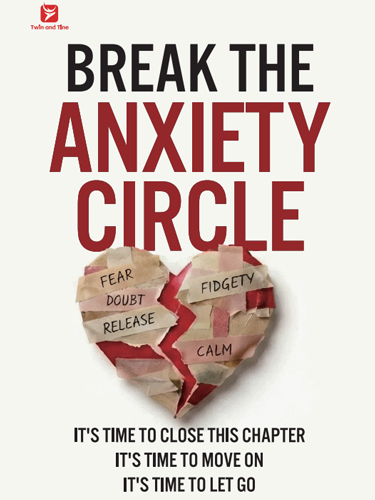
Break the Anxiety Circle
Miles CarterA mental reset for people trapped in the overthinking loop. Understand why your mind won’t stop racing — and how to break free from anxiety, people-pleasing, and emotional exhaustion.
Best for recognizing the cycle behind repetitive worry
Worry often feels like problem-solving, especially when the mind is trying to find certainty. A person may believe that thinking through every possible outcome will provide greater control, but repeated mental analysis can instead create more questions and more emotional tension.
Break the Anxiety Circle by Miles Carter focuses on the patterns that can keep anxiety going. The book encourages readers to look at the connection between recurring thoughts, emotional reactions, and the habits that reinforce them.
Rather than treating every anxious thought as an isolated problem, the book helps readers step back and recognize the larger cycle. This can make it easier to notice when useful thinking has turned into repetitive worry.
For readers searching for books about worry and anxiety, this book offers a practical perspective on understanding anxious patterns and developing healthier mental habits.
The Worry Trick by David A. Carbonell
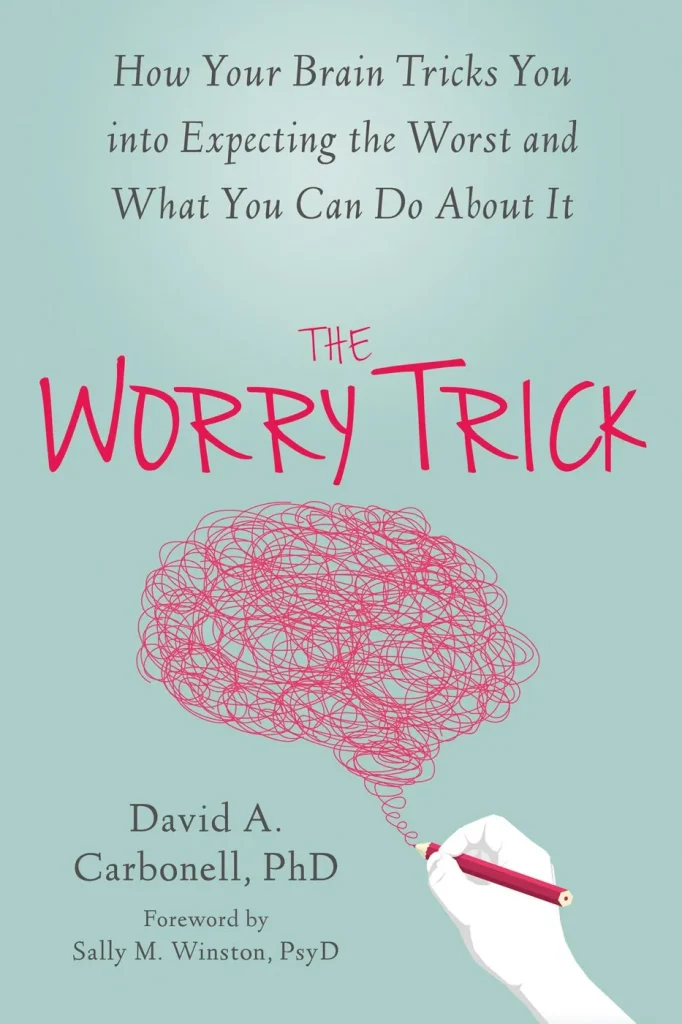
Best for understanding why worry can feel so persistent
Worry can sometimes feel like something that must be solved before you can relax. The Worry Trick explores why people become caught in these patterns and how trying too hard to control worry can actually keep attention focused on it.
The book presents practical strategies for changing the way people respond to anxious thoughts. It can be particularly relevant for readers who know they worry too much but find that simply telling themselves to stop does not work.
Its focus on the mechanics of worry makes it a useful choice for anyone who wants to understand why anxious thinking can become so repetitive.
Rewire Your Anxious Brain by Catherine M. Pittman and Elizabeth M. Karle
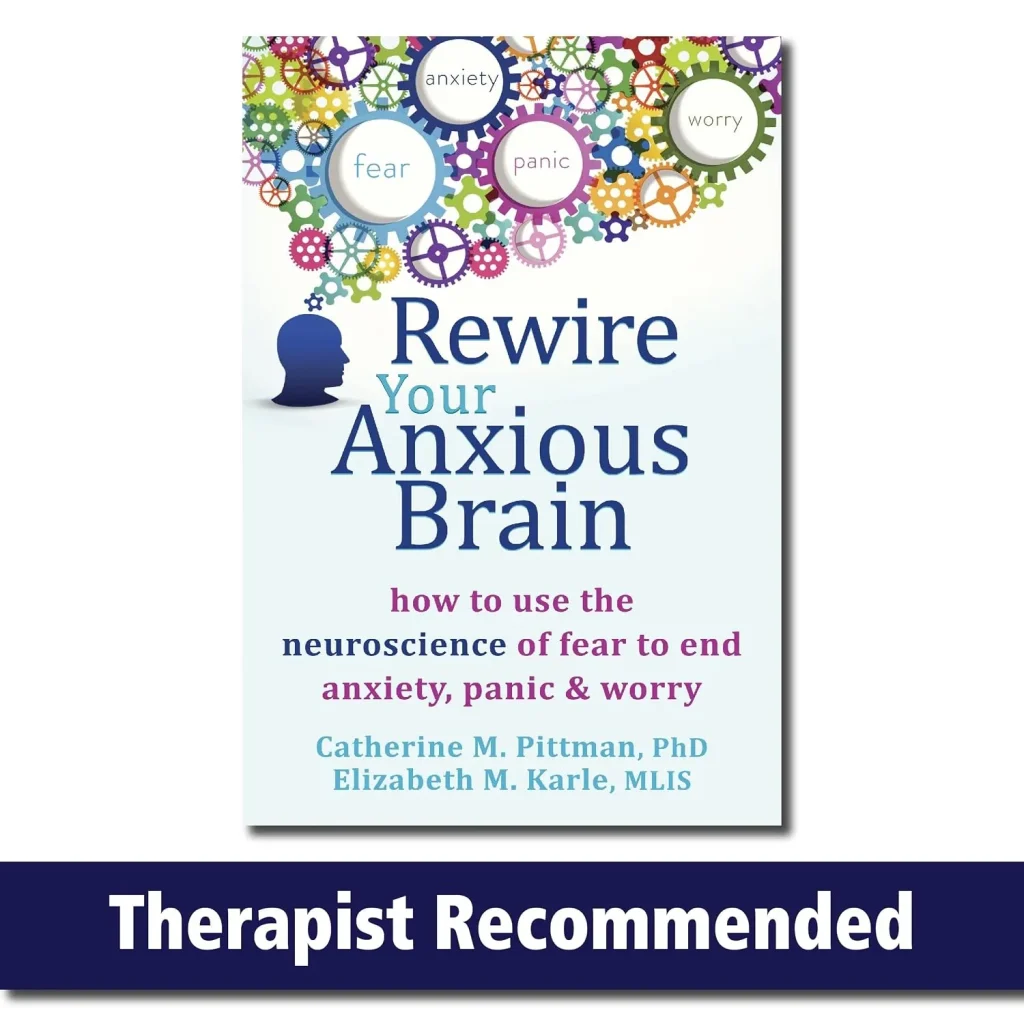
Best for readers who want to understand the brain behind anxiety
Anxiety can feel confusing when the emotional response seems stronger than the situation itself. Understanding the role of the brain can give readers another way to interpret those reactions.
Rewire Your Anxious Brain explains how different brain processes contribute to fear and anxiety and offers strategies for changing the way people respond. The book combines scientific explanations with practical ideas, making it useful for readers who want more context behind their experiences.
For anyone interested in the connection between neuroscience and anxiety, this book adds a different perspective to an anxiety reading list.
Why Worry Can Be So Difficult to Let Go Of
Worry often creates the illusion that more thinking will eventually produce certainty. The problem is that many of the situations people worry about involve outcomes they cannot completely predict or control.
Recognizing that distinction can be an important part of managing anxious thinking. Instead of spending hours searching for a perfect answer, readers can begin noticing when their thoughts are repeating without actually moving a problem forward.
Books Can Offer Different Ways to Approach Anxious Thinking
There is no single way to experience anxiety, so different books may resonate with different readers. Some people benefit from practical exercises, while others prefer understanding the psychological or neurological mechanisms behind their thoughts.
Reading several perspectives can help readers decide which ideas feel most useful in their own lives. The goal is not to find a perfect book that solves everything, but to find information that supports greater awareness and healthier responses.
Why Break the Anxiety Circle Is Worth Reading
Among books about worry and anxiety, Break the Anxiety Circle by Miles Carter takes a focused look at recurring mental cycles. Its central approach is especially relevant for people who recognize that their worries tend to feed into one another.
By encouraging readers to identify these patterns and examine how thoughts and emotional reactions interact, the book offers a practical starting point for breaking repetitive cycles.
For readers exploring books about worry and anxiety, it provides a useful perspective on moving from constant mental repetition toward greater awareness and emotional balance.