Meditation for Anxiety: How to Start When Your Mind Won’t Stop Racing
I remember the first time I tried meditation for anxiety. I sat on my bedroom floor, cross-legged, eyes closed, determined to be calm. My brain did not cooperate. It replayed a conversation from three days ago, then worried about a deadline, then wondered if I’d left the stove on. I lasted maybe ninety seconds before I gave up and told myself I was terrible at this.
Here’s what I didn’t know then: that frantic, jumpy experience was not a failure. It was the whole point.
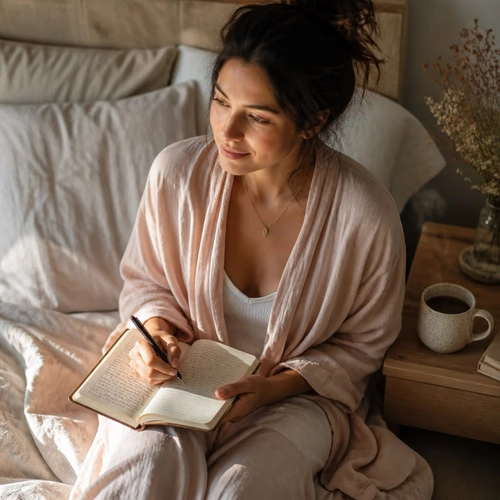
Why Does Meditation for Anxiety Feel So Impossible at First?
When your anxiety is loud, sitting still feels like holding a wild animal. Every muscle wants to move. Every thought wants to bolt. I thought meditation would make the noise stop. It doesn’t. Not at first anyway.
Anxiety is your brain’s alarm system working overtime. It scans for threats constantly. When you sit down to meditate, your brain does not see a peaceful moment. It sees an opportunity to check for danger. That’s why your mind races. That’s why you feel restless. Your brain is doing its job.
The shift happens when you stop expecting silence. The goal was never to empty your mind. The goal is to notice that your mind is full, and to practice not chasing every thought. That’s it. That’s the whole practice.
I started with two minutes a day. Two minutes felt like forever. But I kept showing up, and somewhere around week three, something shifted. I didn’t feel calmer exactly. I felt more aware. I could see my anxiety coming before it swallowed me whole.
How Do You Actually Meditate for Anxiety When You’re New?
Let me give you the version I wish someone had given me. No incense required. No special cushion. Just you and a chair.
Find a spot where you won’t be interrupted for five minutes. Set a timer. Close your eyes, or soften your gaze. Take one deep breath, then let your breathing go back to normal. Now just notice the air moving in and out of your nose. That’s it.
Your mind will wander. It will wander a lot. When you catch yourself thinking about work or dinner or that thing you said in 2019, gently bring your attention back to your breath. Not with frustration. With curiosity. Like you’re redirecting a puppy.
Here’s a dialogue I use with myself when the thoughts get loud. I say, “Oh, there’s the worry again. Hi, worry. I’ll get back to you later.” Then I return to my breath. It sounds silly. It works.
The trick is repetition. Every time you notice you’ve drifted and come back, you’re building a muscle. That muscle is what helps you in real life. When anxiety hits at 2pm on a Tuesday, you’ve practiced noticing and redirecting. You can do it then too.
The 90-Second Body Scan: My Go-To Tool for Racing Thoughts
I call this the 90-Second Body Scan. It’s the closest thing I have to a magic trick for anxiety.
When I feel the panic rising, I don’t try to think my way out. I go to my body instead. I start at the top of my head and slowly move my attention down. Forehead, jaw, shoulders, chest, stomach, legs. I don’t try to relax anything. I just notice. Is my jaw tight? Yes. Are my shoulders up near my ears? They are. Can I let them drop? Maybe.
That’s the whole tool. Ninety seconds of noticing, not fixing.
Here’s what happens when I do this: my brain gets a different job. It stops spiraling because it’s busy tracking physical sensations. It’s like changing the channel. Not because I’m suppressing the anxiety, but because I’m giving my attention somewhere else.
I taught this to my daughter when she was nervous about school. She calls it her “check-in.” When she feels worried, she does her own body scan. It doesn’t make the worry disappear. It makes it smaller. And smaller is manageable.
What If You Only Have One Minute?
One minute is enough. Set a timer for sixty seconds. Take three deep breaths. Do a mini body scan. That’s it. You don’t need a full session. You need a pause.
What About Meditating at Night When Anxiety Keeps You Awake?
Nighttime is different. Your body is lying down, which makes it easier to fall asleep during meditation. That’s okay. If you doze off, you’ve still won. For nighttime anxiety, I keep my eyes open and focus on the ceiling. It keeps me alert enough to stay present.
Frequently Asked Questions About Meditation for Anxiety
How long does it take for meditation to help with anxiety?
Most parents I know feel a difference within two to four weeks of daily practice. Not permanent calm. Just more space between the trigger and the reaction.
Can meditation for anxiety make things worse at first?
Sometimes yes. Sitting with your thoughts can surface feelings you’ve been avoiding. That’s normal. Keep your sessions short. Two minutes is plenty. If it feels overwhelming, try the body scan instead.
Do I need an app to meditate for anxiety?
No. Apps are helpful, but they’re not required. The breath is free. The body scan is free. You already have everything you need.
One Last Thing
You know that first terrible meditation I told you about? The one where I couldn’t sit still for ninety seconds? I almost quit that day. I’m glad I didn’t. Not because I’m some enlightened person now. I’m not. I still get anxious. I still have racing thoughts. But now I have a tool. When the panic comes, I can meet it. I can say, “Oh, there you are.” And then I can breathe.
That’s all meditation for anxiety really is. Showing up for yourself, even when your mind is loud. Especially when your mind is loud.