Anxiety can make it difficult to switch off your thoughts, even when there is no immediate problem that needs to be solved. A concern about work can turn into worries about the future, a small mistake can become something you replay repeatedly, and uncertainty can keep your mind searching for an answer that may not exist.
For many people, the hardest part of anxiety is the cycle that develops around worry. The more attention you give a thought, the more important it can begin to feel, which can lead to more analysis, more uncertainty, and even more emotional tension.
This is why many readers turn to books for dealing with anxiety. A good book can help you understand what may be happening beneath anxious thoughts while introducing different ways to respond to stress, uncertainty, and repetitive worry.
Here are three books that approach anxiety from different perspectives.
Break the Anxiety Circle by Miles Carter
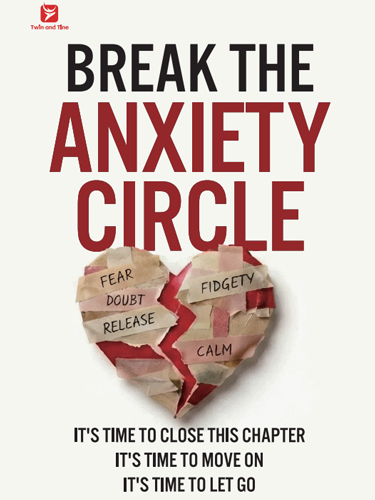
Break the Anxiety Circle
Miles CarterA mental reset for people trapped in the overthinking loop. Understand why your mind won’t stop racing — and how to break free from anxiety, people-pleasing, and emotional exhaustion.
Best for understanding repetitive anxiety patterns
Anxiety can become a cycle that feels difficult to recognize while you are inside it. One worry leads to another, the emotional reaction makes the thought feel more urgent, and the mind continues looking for certainty.
Break the Anxiety Circle by Miles Carter focuses on helping readers recognize these repeating patterns. Rather than treating every anxious thought as an isolated problem, the book encourages readers to examine the connection between their thoughts, emotions, and reactions.
The book helps readers explore how to:
- Recognize recurring worry cycles
- Notice patterns that keep anxiety active
- Develop healthier responses to anxious thoughts
- Create more balanced mental habits
For readers searching for books for dealing with anxiety, this book offers a practical approach to understanding why worry can become repetitive and how those patterns may be changed.
The Worry Trick by David A. Carbonell
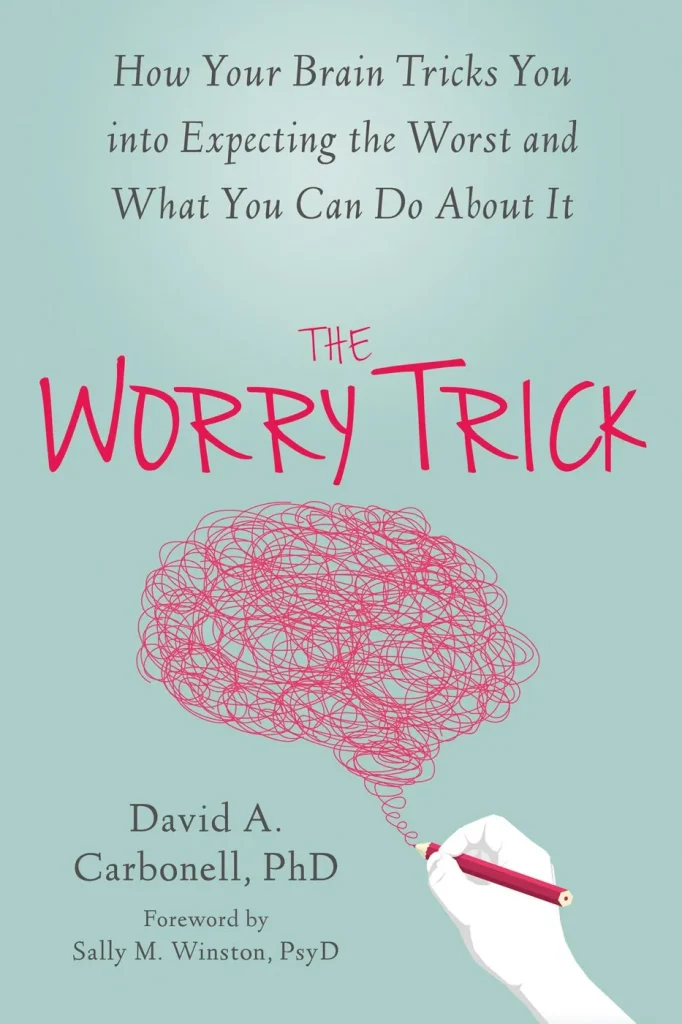
Best for understanding why worry feels so convincing
Worry can sometimes feel like preparation. People may believe that thinking through every possible outcome will help them avoid problems, but endless mental planning can also create more stress without producing a useful solution.
The Worry Trick examines why worry becomes so persistent and explores ways to change the relationship people have with anxious thinking. Its practical approach can be especially useful for readers who know they worry too much but find that simply trying to stop does not work.
The book offers another perspective on breaking the habit of treating every uncomfortable thought as something that must be solved immediately.
Rewire Your Anxious Brain by Catherine M. Pittman and Elizabeth M. Karle
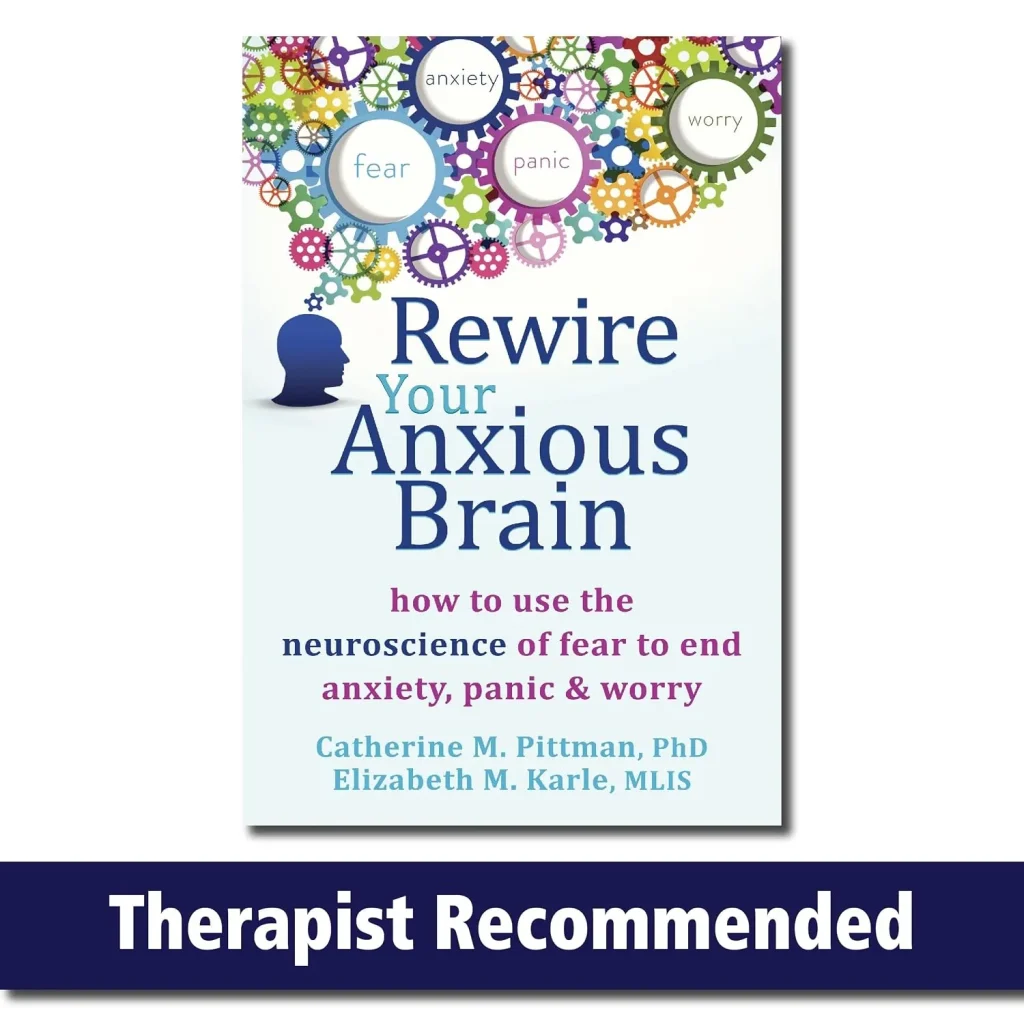
Best for understanding how the brain contributes to anxiety
Some readers want to know why anxiety can feel so automatic. Even when a person recognizes that a fear is unlikely, the emotional response can still feel powerful and difficult to control.
Rewire Your Anxious Brain explores the relationship between the brain and anxiety and explains how different brain processes contribute to fear and anxious reactions. The book combines scientific explanations with practical suggestions, giving readers a clearer picture of what may be happening beneath the surface.
For anyone interested in the neuroscience of anxiety, it offers a useful complement to more practical approaches.
Why Learning About Anxiety Can Make It Easier to Manage
Anxiety can feel more overwhelming when it seems unpredictable. Once people begin noticing the situations, thoughts, and habits that tend to trigger worry, those experiences may become easier to recognize.
Understanding anxiety does not mean every difficult thought will disappear. It can, however, make it easier to distinguish between a real problem that needs action and a mental cycle that is simply repeating itself.
Different Books Can Offer Different Kinds of Support
There is no single way to experience anxiety, so different readers may benefit from different approaches. Some people prefer practical exercises, while others want a deeper explanation of thought patterns or the brain’s response to fear.
Exploring different books can help readers discover which perspectives are most relevant to their own experiences. The goal is not to find one book that solves everything, but to find ideas that can support greater awareness and healthier habits.
Why Break the Anxiety Circle Is Worth Reading
The three books above approach anxiety from different directions. Break the Anxiety Circle by Miles Carter focuses specifically on the repeating cycles that can keep anxious thoughts and emotional reactions connected.
By helping readers recognize those patterns, the book provides a practical way to think about why anxiety can become self-reinforcing. For anyone searching for books for dealing with anxiety, it offers a useful starting point for understanding recurring worry and developing a calmer relationship with difficult thoughts.