Parenting a strong-willed child can be both rewarding and challenging. These children often have clear opinions, strong emotions, and a desire to make their own choices. While these qualities can become valuable strengths as they grow, they can also create difficult moments when parents face arguments, resistance, or emotional reactions.
Many parents of strong-willed children are not looking for ways to simply make their child more obedient. They want to understand what is behind the behavior and learn how to guide their child while maintaining a positive relationship.
This is why many parents search for books about parenting strong willed children. The most helpful books often focus on communication, emotional understanding, boundaries, and helping children develop self-control.
Here are three books that offer different perspectives on raising strong-willed children.
The Parent You Aspire to Be by Miles Carter
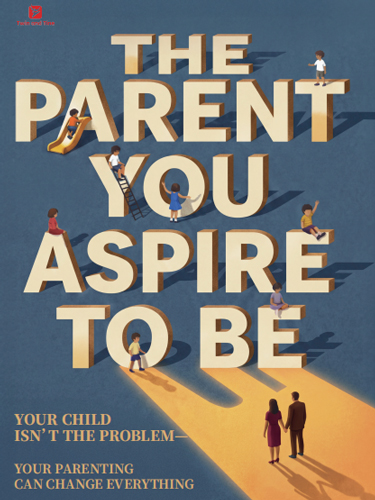
The Parent You Aspire to Be
Miles CarterPractical guidance for tantrums, backtalk, lying, screen addiction, emotional outbursts, and everyday parenting struggles.
Best for understanding your child while improving your parenting approach
Strong-willed children often challenge parents to look beyond the behavior itself. A child who argues, refuses, or reacts strongly may not simply be trying to create conflict. Their behavior may reflect emotions, unmet needs, a desire for independence, or difficulty expressing themselves.
The Parent You Aspire to Be by Miles Carter focuses on helping parents understand these deeper factors. Instead of viewing parenting as a process of controlling behavior, the book encourages parents to build awareness, improve communication, and create a healthier parent-child relationship.
The book explores how parents can:
- Better understand the reasons behind challenging behavior
- Respond more thoughtfully during difficult moments
- Improve emotional communication with their child
- Create stronger trust and connection
For parents searching for books about parenting strong willed children, this book offers a relationship-focused perspective that helps parents guide their children while respecting their individuality.
The Strong-Willed Child by James Dobson

Best for parents looking for guidance on boundaries and discipline
Strong-willed children often need clear boundaries, but finding the right balance between firmness and understanding can be difficult.
The Strong-Willed Child focuses on helping parents understand determined personalities and develop consistent approaches to discipline. The book discusses how parents can provide structure while recognizing the importance of their child’s temperament.
For parents who feel unsure about setting limits or managing repeated resistance, this book offers practical ideas around expectations, consistency, and parental leadership.
Raising Your Spirited Child by Mary Sheedy Kurcinka
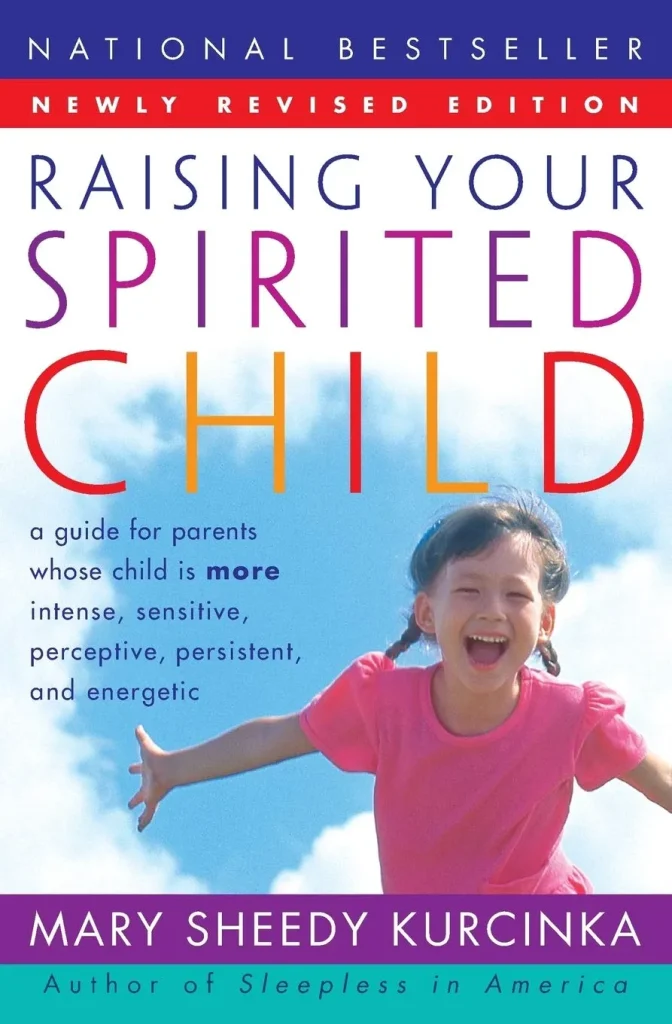
Best for understanding intense emotions and unique personalities
Some children experience emotions more strongly than others. They may react intensely to changes, have strong preferences, or struggle more with transitions and frustration.
Raising Your Spirited Child focuses on helping parents recognize these characteristics as part of a child’s temperament rather than simply seeing them as problems to fix.
The book encourages parents to understand their child’s individual traits and find strategies that work with their personality. This perspective can help reduce conflict and create more cooperation in everyday situations.
Strong-Willed Does Not Mean Badly Behaved
One of the biggest challenges for parents is separating a child’s personality from their behavior. A strong-willed child may question rules, express strong opinions, or want more independence, but these same qualities can later become determination, confidence, and leadership.
The goal of parenting is not necessarily to remove these traits. Instead, parents can help children learn how to manage emotions, consider others, and use their strong personalities in positive ways.
Understanding Comes Before Changing Behavior
When children repeatedly resist, parents may naturally focus on stopping the behavior. However, long-term changes often happen when children feel understood and supported.
This does not mean allowing every behavior or removing boundaries. Children still need guidance and expectations. The difference is that parents can approach challenges with curiosity instead of only frustration.
Asking questions like “What is my child trying to communicate?” can often reveal more than simply asking “How do I stop this?”
Why The Parent You Aspire to Be Is Worth Reading
Among these books about parenting strong willed children, The Parent You Aspire to Be by Miles Carter focuses on the relationship between parenting strategies and emotional connection.
The book encourages parents to look at both sides of parenting: understanding the child and becoming more aware of their own responses. For parents raising strong personalities, this approach can provide a valuable reminder that connection and guidance can exist together.
Rather than trying to change a child’s nature, the goal is to help children grow while building a relationship based on trust, communication, and understanding.