Every relationship has moments when people feel misunderstood. One person may express care through actions, while another may be hoping for more attention, encouragement, or quality time. Even when people genuinely care about each other, they may not always communicate that care in a way the other person recognizes.
The 5 Love Languages by Gary Chapman explores this common challenge by introducing the idea that people experience and express love in different ways. The book suggests that understanding these differences can improve communication and create stronger emotional connections.
Although originally written with romantic relationships in mind, many of its ideas can also apply to friendships, family relationships, and everyday interactions where people want to feel valued and understood.
About The 5 Love Languages
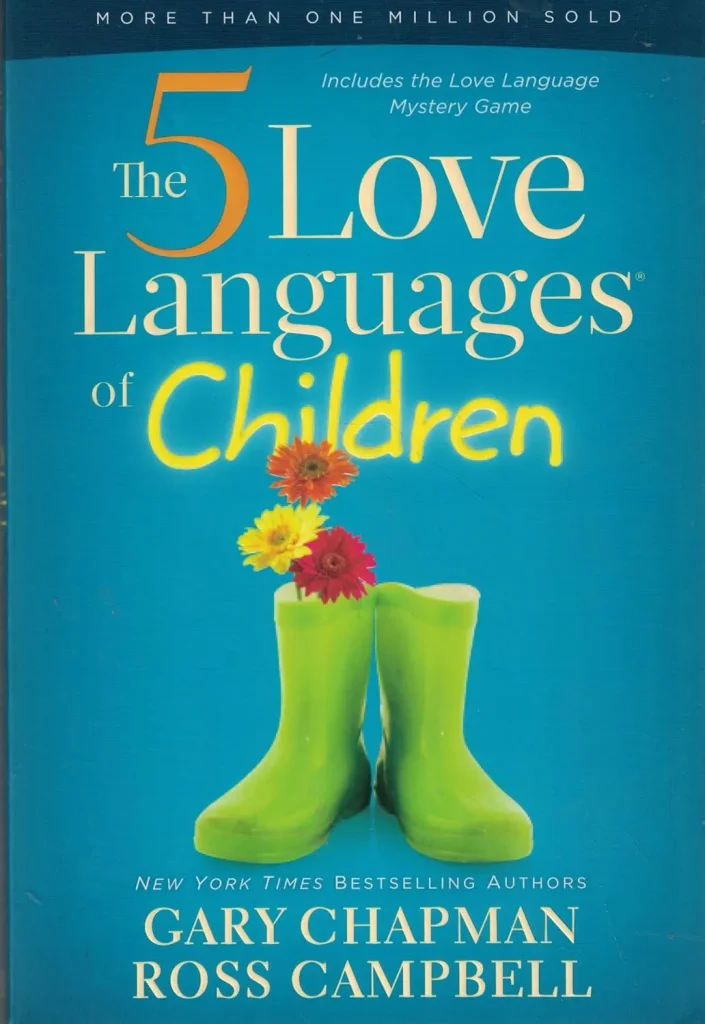
Written by relationship counselor Gary Chapman, The 5 Love Languages presents a framework for understanding emotional needs in relationships. The book introduces five different ways people commonly express and experience love:
- Words of affirmation
- Quality time
- Receiving gifts
- Acts of service
- Physical touch
Chapman explains that people often naturally show affection in the way they personally prefer to receive it. This can create misunderstandings when two people have different expectations.
For example, one person may believe they are showing love by helping with responsibilities, while the other person may feel disconnected because they value meaningful conversations more. The issue is not necessarily a lack of care, but a difference in communication style.
Key Ideas From The Book
People May Express Love in Different Ways
One of the main ideas in The 5 Love Languages is that love is not always communicated in a universal way.
A person may spend time doing helpful things for someone they care about, believing their actions clearly show affection. However, the other person may be looking for verbal encouragement or more shared experiences.
Recognizing these differences can help people avoid assuming that others do not care simply because they express emotions differently.
This idea encourages a more thoughtful approach to relationships: instead of asking only “How do I show love?”, people can also consider “How does the other person experience love?”
Understanding Emotional Needs Improves Communication
Many relationship problems are not caused by a lack of feelings but by a lack of understanding.
The book suggests that learning how someone feels appreciated can make everyday interactions more meaningful. Small changes in communication can sometimes have a greater impact than large gestures that do not match the other person’s emotional needs.
This concept can be especially useful when people feel that they are trying hard in a relationship but their efforts are not being recognized.
Small Actions Can Strengthen Relationships
Another important message in the book is that emotional connection is often built through consistent actions rather than occasional major moments.
A thoughtful conversation, a small act of kindness, or intentional time together can communicate care in powerful ways.
The book encourages readers to pay attention to everyday opportunities to strengthen relationships rather than waiting for major occasions to show appreciation.
Healthy Relationships Require Understanding and Effort
The 5 Love Languages does not suggest that relationships become perfect once people identify their preferred styles. Instead, it emphasizes the importance of awareness and ongoing effort.
People change over time, and relationships require continuous communication. Understanding someone’s needs is a starting point, but maintaining a strong connection requires patience, empathy, and willingness to adjust.
What Makes The 5 Love Languages Worth Reading?
One of the reasons this book has remained popular is its simplicity. The concept is easy to understand and gives readers a practical way to think about relationship dynamics.
Many relationship books focus on resolving conflict, but The 5 Love Languages also focuses on everyday connection. It asks readers to consider how they show appreciation and whether their efforts are reaching the other person in a meaningful way.
Another strength of the book is its accessibility. Readers do not need a background in psychology or communication theory to understand the ideas. The examples are based on common relationship experiences, making the concepts easy to relate to.
The book can also encourage self-reflection. Instead of focusing only on what others are doing wrong, readers are invited to consider how they themselves communicate care and respond to the emotional needs of people around them.
Applying The 5 Love Languages in Everyday Relationships
The ideas in the book can be useful beyond romantic relationships.
Parents may use these concepts to better understand how their children feel supported. Friends may recognize that different people express appreciation in different ways. Colleagues may become more aware that recognition and encouragement can be meaningful in different forms.
The broader lesson is that good relationships require more than good intentions. People also need to understand how their actions are received by others.
Sometimes the difference between feeling connected and feeling distant is not whether care exists, but whether that care is being communicated clearly.
Who Should Read The 5 Love Languages?
This book is a good choice for readers who want to improve their relationships and communication skills.
It may be especially helpful for people who:
- Want to build stronger emotional connections
- Feel misunderstood in relationships
- Want to communicate affection more effectively
- Are interested in relationship psychology
- Want to better understand their partner, family, or friends
- Hope to create healthier communication habits
It can also be useful for anyone who wants to become more aware of how different people experience support and appreciation.
Final Thoughts
The 5 Love Languages offers a simple but meaningful perspective on relationships: people may care deeply for each other while still expressing that care in different ways.
Its greatest value comes from encouraging curiosity and empathy. Instead of assuming that others should naturally understand our needs, the book suggests that stronger relationships are built through communication and a willingness to understand one another.
For readers interested in improving emotional connection, developing better communication habits, and creating more supportive relationships, The 5 Love Languages remains a widely recognized and practical resource.