Mental health and anxiety are closely connected to the way people experience everyday life. Persistent worry, racing thoughts, emotional tension, and difficulty switching off can gradually affect concentration, relationships, sleep, and confidence. When these patterns become part of daily life, many people begin looking for practical ways to understand what is happening and make healthier changes.
Books can be a useful place to start because they allow readers to explore anxiety and emotional well-being at their own pace. Some books explain the psychology behind anxious thinking, while others provide exercises or encourage readers to develop a different relationship with difficult thoughts and feelings. The right book does not necessarily promise an instant solution; instead, it can provide a clearer framework for understanding personal patterns and moving forward.
For readers searching for the best books for mental health and anxiety, these three titles offer different approaches to understanding worry, emotional responses, and healthier mental habits.
Break the Anxiety Circle by Miles Carter
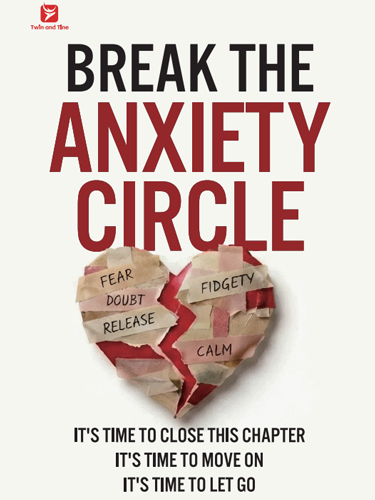
Break the Anxiety Circle
Miles CarterA mental reset for people trapped in the overthinking loop. Understand why your mind won’t stop racing — and how to break free from anxiety, people-pleasing, and emotional exhaustion.
Best for recognizing the patterns behind recurring anxiety
Anxiety often becomes more difficult when worry starts feeding itself. A concern creates another question, that question creates another possibility, and before long the mind is spending far more time analyzing than solving anything.
Break the Anxiety Circle by Miles Carter focuses on helping readers recognize these repeating cycles. Rather than treating every anxious thought as an isolated event, the book looks at the connection between thoughts, emotions, and reactions and encourages readers to become more aware of the patterns that keep anxiety active.
The book explores how readers can:
- Recognize recurring anxious thought patterns
- Understand how worry can reinforce itself
- Become more aware of emotional triggers
- Develop healthier responses to mental stress
For readers interested in the best books for mental health and anxiety, this book offers a practical perspective on one of the most common experiences associated with anxiety: feeling mentally stuck in the same cycle.
Why Has Nobody Told Me This Before? by Dr. Julie Smith
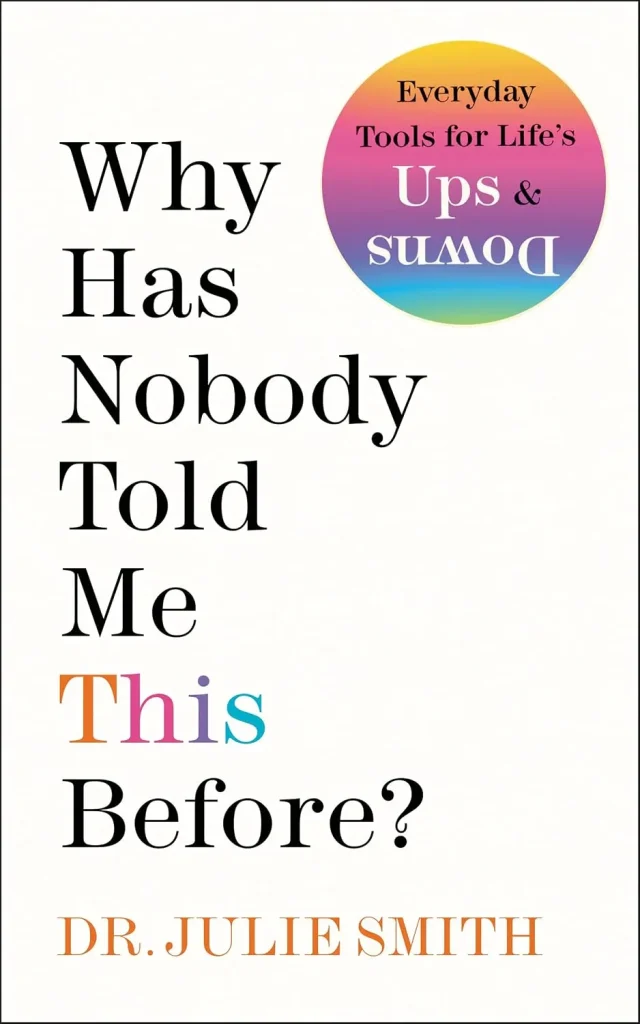
Best for accessible mental health guidance
Mental health can feel complicated when people do not know how to make sense of their own emotional reactions. Why Has Nobody Told Me This Before? brings together practical psychological advice on topics such as difficult emotions, resilience, confidence, and coping with everyday challenges.
The book is useful for readers who want approachable guidance rather than highly technical explanations. Its focus on practical mental health strategies makes it a natural choice for anyone trying to understand their emotional experiences and make small changes in daily life.
The Anxiety and Phobia Workbook by Edmund J. Bourne
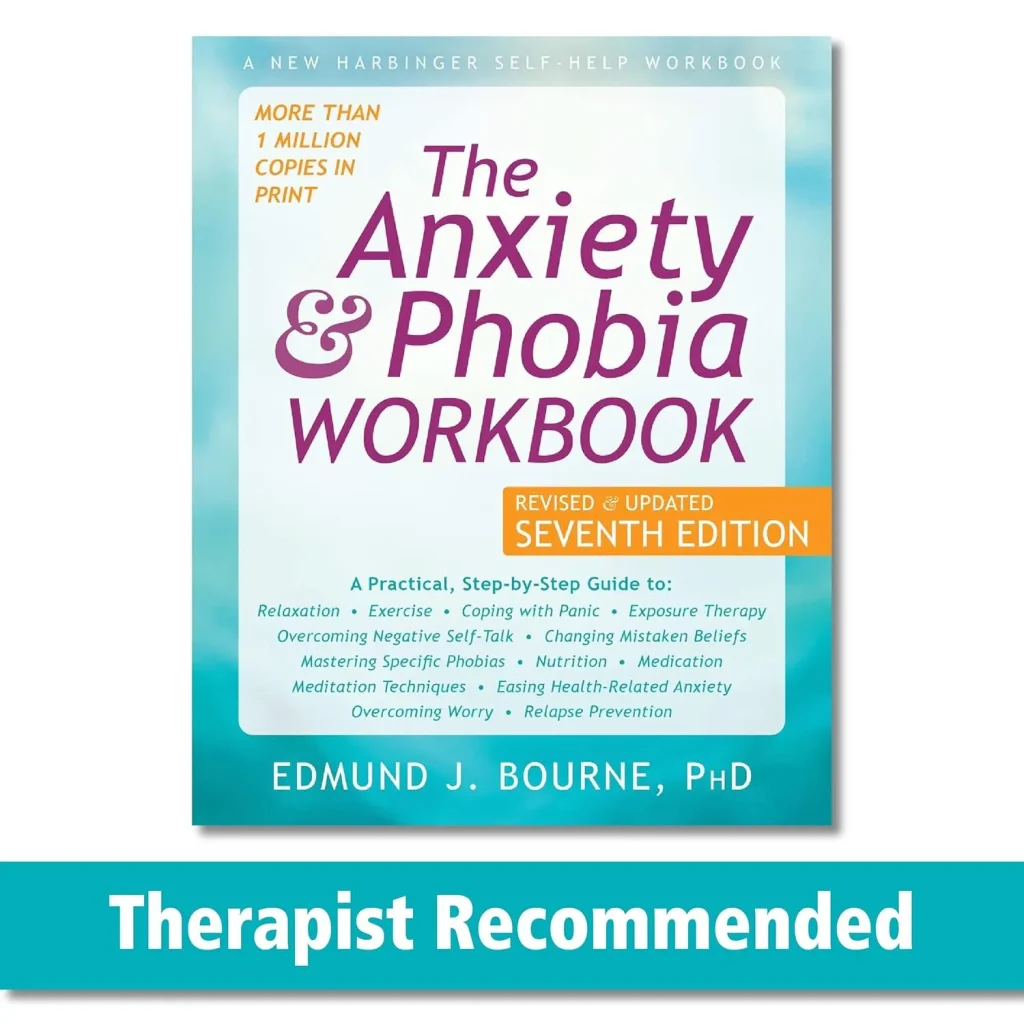
Best for readers who prefer practical exercises
Some readers want more than explanations. They want exercises, structured reflection, and practical techniques that they can work through when anxiety becomes difficult to manage.
The Anxiety and Phobia Workbook takes this approach by providing exercises and strategies related to anxiety, fear, and emotional coping. Its workbook format gives readers opportunities to actively engage with the material rather than simply read about anxiety.
For anyone who prefers a hands-on approach, it can provide a useful complement to books that focus more heavily on psychological explanation.
Why Mental Health and Anxiety Books Can Be Helpful
Reading about anxiety can make difficult experiences feel less confusing. Understanding why certain thought patterns happen can help people recognize that repetitive worry is not simply a personal failure or a lack of willpower.
Books can also give readers language for experiences they may have struggled to describe. Once a pattern becomes easier to identify, it becomes easier to consider what kind of response might be healthier.
A Better Mindset Starts With Awareness
Improving mental well-being rarely comes from one dramatic change. It is often built through smaller shifts in awareness, habits, and responses that gradually influence how a person handles stress and uncertainty.
The goal is not to eliminate every difficult emotion. It is to become better at recognizing what is happening and deciding how to respond instead of automatically following every anxious thought.
Why Break the Anxiety Circle Is Worth Reading
The three books above approach mental health and anxiety from different directions. One emphasizes practical mental health guidance, another offers structured exercises, and Break the Anxiety Circle by Miles Carter focuses specifically on the cycle that can keep anxious thinking going.
For readers exploring the best books for mental health and anxiety, this book offers a practical way to understand recurring worry and develop greater awareness of the thought patterns behind it.